How to Overwinter Flaming sword bromeliad
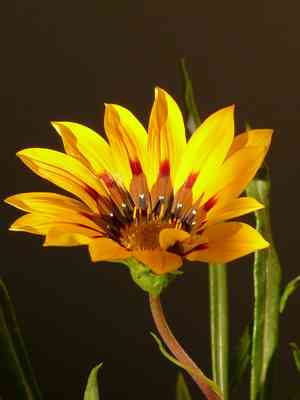
1
The Flaming sword bromeliad is sensitive to cold and needs to be brought inside when temperatures drop.
2
Keep the environment at 18-24°C (65-75°F) with high moisture levels for best development.
3
Adequate light, a substrate that drains well, and routine pest checks are crucial in winter.
The Importance of Overwintering Flaming sword bromeliad
The Importance of Overwintering Flaming sword bromeliad
The Flaming sword bromeliad, with its striking sword-like bloom, is a tropical species that flourishes in warm climates. Due to its sensitivity to cold, it cannot endure winter's low temperatures, making overwintering vital for its survival. Bringing your Flaming sword bromeliad indoors safeguards it from frost damage and offers a controlled setting conducive to its development. Overwintering guarantees your plant stays robust and ready to thrive once warmer weather returns.
Preparing Flaming sword bromeliad for Winter
Checking for Pests and Diseases
Before moving your Flaming sword bromeliad indoors, thoroughly inspect it for any indications of pests or diseases. Look for common invaders like scale insects, mealybugs, and aphids, which can hide beneath leaves and on flower stalks. If found, treat the plant with a suitable organic insecticide or a solution of water and gentle soap. Addressing these issues before winter helps prevent the spread of pests and diseases in your indoor environment.
Trimming Dead or Damaged Foliage
Pruning your Flaming sword bromeliad is essential to encourage healthy growth and prevent potential problems during winter. Remove any dead or damaged leaves using sharp, sterilized pruning shears. This not only enhances the plant's appearance but also helps direct its energy towards flourishing healthy sections. Pruning decreases the chance of fungal infections and pest infestations.
Adjusting Watering Schedule
During winter, the watering requirements of your Flaming sword bromeliad will change. Reduce the frequency of watering, ensuring the soil remains slightly moist but not saturated. Overwatering can lead to root rot, a common issue in colder months. Water the plant once the top 2-3 cm (1 inch) of soil feels dry to the touch. Always use filtered or rainwater to prevent the accumulation of salts and minerals that can harm the plant.
Ideal Indoor Conditions for Overwintering
Optimal Temperature Range
The Flaming sword bromeliad prefers temperatures between 18-24°C (65-75°F). Maintaining this temperature indoors is crucial for the plant's well-being. Avoid placing the plant near drafty windows, doors, or heating vents, as sudden temperature shifts can stress the bromeliad.
Humidity Requirements
This tropical plant thrives in high humidity environments. Aim for a humidity level of approximately 60-70%. Regularly mist the plant or place it on a humidity tray filled with pebbles and water to maintain moisture levels. Using a humidifier in the room can also help keep humidity in the optimal range, especially during dry winter months.
Light Exposure Needs
Ensure your Flaming sword bromeliad receives bright, indirect light during winter. Position it near an east or west-facing window where it can get filtered sunlight. Avoid direct sunlight, which can scorch the leaves. If natural light is insufficient, supplement with a fluorescent or LED grow light for about 12-14 hours daily to mimic the plant's natural habitat.
Common Overwintering Issues and Solutions
Yellowing Leaves
Yellowing leaves can indicate overwatering or insufficient light. Check the soil moisture level and adjust your watering schedule accordingly. Ensure the plant receives adequate indirect light to promote healthy growth. If yellowing persists, check for nutrient deficiencies and consider adding a balanced bromeliad fertilizer.
Root Rot
Root rot is a common problem caused by overwatering or poorly draining soil. To prevent this, use a well-draining potting mix designed for bromeliads and ensure the pot has sufficient drainage holes. If you notice signs of root rot, such as mushy roots or a foul odor, remove the affected parts and repot the bromeliad into fresh, well-draining soil.
Pest Infestations
Pests can become a significant issue during indoor overwintering. Regularly inspect your Flaming sword bromeliad for signs of infestation, such as sticky residue, webbing, or small insects. Treat infestations promptly with organic insecticides, neem oil, or a mixture of water and mild soap. Keeping the plant healthy and stress-free reduces the likelihood of pest problems.



