How to Prune Humboldt's lily?
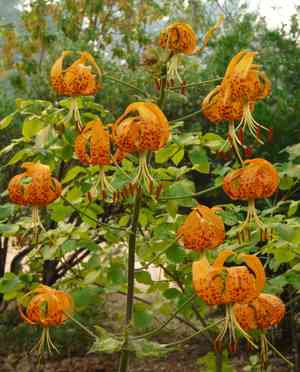
This impressive indigenous lily flourishes naturally, characterized by its elevated stalks and brilliant, trumpet-like blossoms. For humboldt's lily, removing withered or discolored leaves and faded flower stalks after blooming encourages robust development and could boost the subsequent year's floral display. The most suitable period for this trimming is in autumn, following the blooming period and leaf decay, which allows the plant to direct its energy towards root and bulb formation. The advantages of pruning encompass averting diseases and enhancing vitality, both crucial for preserving the plant's remarkable aesthetic.
What Are the Benefits of Pruning Humboldt's Lily?
What Are the Benefits of Pruning Humboldt's Lily?
Trimming humboldt's lily encourages the development of robust shoots, which typically results in improved flowering. It is crucial for maintaining the plant's desired form and fostering a strong, healthy structure less vulnerable to pests and diseases.
What Is the Best Time for Pruning Humboldt's Lily?
What Is the Best Time for Pruning Humboldt's Lily?
Pruning humboldt's lily during late winter to early spring is advantageous because the plant is dormant then. This timing allows for the removal of any dead or damaged foliage without stressing the plant. As the growth cycle begins, humboldt's lily will direct energy to new, healthy growth, which can lead to a more vigorous blooming period. Doing so can also help prevent the spread of diseases which are less active in cooler temperatures. When pruning in the summer or fall as indicated in the pruning seasons, it is important to avoid cutting back too much as humboldt's lily needs to gather energy for the next season. Removal of spent flowers can encourage rebloom and maintain the plant's appearance without affecting its vigor.
What Tools Do I Need to Prune Humboldt's Lily?
By-pass Pruners
Perfect for making clean and precise cuts on humboldt's lily's stems without causing unnecessary harm, thereby assisting in the plant's rapid recovery.
Gardening Gloves
Protects the gardener's hands from thorns and sap while handling humboldt's lily, ensuring safe pruning practices.
Cleaning Cloth/Alcohol Wipes
Used for wiping the blades of the pruning tools before and after use, preventing the spread of disease among humboldt's lily plants.
Sharpener
Keeps the cutting edges of the pruning tools sharp, ensuring efficient and clean cuts on humboldt's lily, which is crucial for the plant's health.
How to Prune Humboldt's Lily
Sanitize
Before starting to prune humboldt's lily, make sure to sanitize your pruning tools. This prevents the spread of disease among plants. Use rubbing alcohol or a bleach solution to thoroughly clean the blades of your shears or scissors.
Diseased Leaves
Carefully inspect humboldt's lily for any diseased leaves. Spotting signs like discoloration or spots could indicate a problem. When you identify diseased leaves, use your sanitized pruning tools to remove them. Cut the leaves off at the base where they meet the stem or at the next healthy leaf node.
Withered Leaves
Look for withered leaves on humboldt's lily that may be yellowed or brown and appear dry. These are no longer providing energy to the plant and can be removed. Snip them off cleanly at the base or just above the next healthy leaf node with your sanitized tools.
Withered Flower
Examine humboldt's lily for withered flowers. Deadheading, or the removal of spent flowers, encourages more blooms and maintains the attractiveness of the plant. Clip the flower stalk just below the withered flower, making sure not to damage any new buds.
Clean Up
After pruning humboldt's lily, be sure to clean up any fallen plant matter from the ground to prevent rot and discourage disease. Dispose of the pruned material appropriately, especially if it showed signs of disease.
Common Pruning Mistakes with Humboldt's Lily
Over-Pruning
Removing too much foliage can stress humboldt's lily, leading to weak growth and reduced flowering. Aim to remove no more than one-third of the plant at a time.
Improper Cuts
Making pruning cuts too far from a node or cutting into the bulb can damage humboldt's lily. Always cut just above a node, leaving about a quarter-inch to avoid disease entry.
Pruning Live Blooms
Cutting off live blooms can deprive humboldt's lily of the opportunity to showcase its flowers. Trim spent blooms instead to redirect energy to new growth.
Discarding Propagative Parts
Tossing away bulbils or small bulbs that form on humboldt's lily is wasteful. These parts can be used to propagate new plants.
Ignoring Plant Health
Failing to remove diseased or pest-infested foliage can lead to further issues. Healthy pruning includes removing problematic areas swiftly and carefully.
Common Pruning Tips for Humboldt's Lily
Selective Trimming
Prune humboldt's lily selectively, focused on dead or yellowing leaves and spent flower stalks to promote healthy growth and prevent energy waste.
Sterilize Tools
Use sterilized pruning shears to avoid the spread of disease among your plants, and clean them between cuts if disease presence is suspected.
Cut At An Angle
Making angled cuts on humboldt's lily can prevent water accumulation on the cut surface, reducing the risk of rot and disease.
Maintain Natural Shape
Prune humboldt's lily in a way that maintains its natural form and structure. Over-zealous shaping can hinder its natural growth pattern and bloom production.
Post-Bloom Care
After humboldt's lily has finished blooming, trim back the flower stalks to their base to tidy up the plant and concentrate its energy on underground bulb growth.



