Enhancing Your Garden Design with the Humboldt's lily Plant: A Landscaping Guide
1
Strategic positioning of Humboldt's lily significantly boosts your garden's aesthetic charm.
2
Humboldt's lily flourishes optimally under particular light and ground conditions requiring attention.
3
Consistent care for Humboldt's lily guarantees its sustained health and liveliness year-round.
Grasping the Importance of Humboldt's Lily in Garden Designs
Emphasize the visual impact of Humboldt's lily within a garden setting
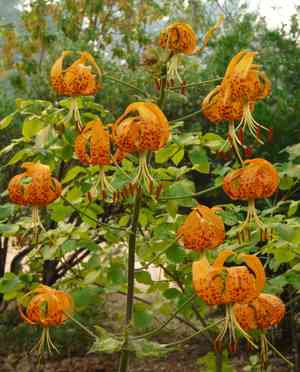
Humboldt's lily delivers a striking visual presence in any garden, making it a favorite among gardening enthusiasts. Its impressive height and vivid blossoms establish focal points, drawing attention and adding structural definition. Whether planted individually or in clusters, Humboldt's lily can elevate your landscape's overall beauty, imparting a touch of grace and drama.
Detail the typical growth habit and dimensions of Humboldt's lily
Humboldt's lily typically reaches a height of approximately 4 to 8 feet, depending on the specific varieties and growing conditions. With its tall, slender stems, Humboldt's lily introduces a vertical element to your garden, useful for balancing shorter plants and creating a multi-dimensional landscape. Understanding its growth pattern aids in strategic placement for optimal visual effect.
Examine the color variations and blooming periods
Humboldt's lily is renowned for its stunning color variations, spanning from orange to deep red, sometimes featuring freckles or spots that enhance its visual appeal. Blooming generally occurs from late spring to early summer, offering a burst of color after many other plants have concluded their flowering season. This timing can be vital for maintaining continuous blooms in your garden throughout the active growing period.
Selecting the Optimal Site for Humboldt's Lily in Your Garden
Consider the light requirements for peak development
For Humboldt's lily to flourish, it needs a location receiving partial to full sunlight. Ideally, positioning it where it gets morning sun and afternoon shade helps shield it from intense heat, which could otherwise stress the plant. Sufficient light is crucial for abundant flowering and robust growth.
Analyze soil conditions and drainage necessities
Humboldt's lily prefers well-drained soil rich in organic matter. It thrives best in slightly acidic to neutral pH levels. Proper drainage is vital as waterlogged soil can lead to root rot. Amending the soil with compost or well-rotted manure can improve its structure and fertility, ensuring Humboldt's lily receives the necessary nutrients.
Discuss proximity to other plants and landscape elements
When planning Humboldt's lily's placement, consider its closeness to other plants and landscape features. Due to its height, it should be situated where it won't overshadow smaller plants but can provide a striking backdrop. Also, ensure adequate spacing for airflow around the plant, which helps prevent fungal diseases. Additionally, Humboldt's lily can complement structures like fences or trellises, enhancing the garden's overall design.
Creative Concepts for Incorporating Humboldt's Lily into Your Landscape
Describe the application of Humboldt's lily in border plantings
Utilizing Humboldt's lily in border plantings is an excellent method to define garden edges with a touch of sophistication. Its tall flower spikes perform exceptionally well at the back of a border, providing height and depth. Combine it with mid-sized perennials and groundcovers to create layers of interest and a unified appearance. Humboldt's lily can also serve as a natural divider, establishing distinct zones within your garden.
Suggest methods to integrate Humboldt's lily into rock gardens or woodland environments
Humboldt's lily makes a superb addition to rock gardens or woodland settings where its inherent elegance can be appreciated. In rock gardens, it adds height and color contrast against the hardscape elements. In woodland gardens, it thrives in shaded or partially shaded areas, complementing other woodland plants like ferns and hostas, fostering a naturalistic and tranquil atmosphere.
Explore Humboldt's lily's contribution to pollinator-friendly gardens
Humboldt's lily plays a significant role in pollinator-friendly gardens, attracting bees, butterflies, and even hummingbirds with its vibrant, nectar-rich flowers. This not only boosts the biological health of your garden but also supports local ecosystems. Planting Humboldt's lily near other pollinator plants creates a sanctuary for these beneficial insects, promoting biodiversity and aiding the prosperity of your other plants.
Caring for Humboldt's Lily in Your Landscape: Practical Advice
Provide general guidance for year-round maintenance of Humboldt's lily
Maintaining Humboldt's lily demands consistent care throughout the year. Regular watering, especially during dry periods, is crucial to keep the soil moist but not waterlogged. Mulching around the plant helps retain soil moisture and suppress weeds. Removing spent flowers encourages more blooms and extends the flowering season. Furthermore, staking taller plants can prevent them from falling over due to wind or rain.
Offer instructions on seasonal tasks for garden readiness
Seasonal activities for Humboldt's lily include pruning in late autumn or early winter by cutting back stems after flowering concludes. Spring is the time to check for any winter damage and apply a balanced fertilizer to stimulate new growth. Dividing and replanting bulbs every few years maintains plant vigor and prevents overcrowding. Regularly inspect for pests and diseases, taking prompt action if any issues arise.
Discuss the longevity and lifecycle management in landscapes
Humboldt's lily is a perennial, meaning it will return annually with proper care. Understanding its lifecycle assists in planning long-term garden maintenance. Given its perennial nature, ensuring adequate growing space is crucial. Regularly amending soil and proper mulching will help it thrive over the years. Effective lifecycle management ensures your garden enjoys the beauty of Humboldt's lily for many years without frequent replacement.



