How to Prune Island pitchersage?
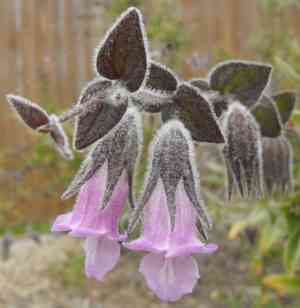
Aromatic, bush-like perennial, island pitchersage flourishes with deliberate trimming to preserve its form and stimulate abundant development. Perform pruning in late spring or early summer, once flowering has concluded. Remove deceased or frail stalks, reducing up to one-third of mature growth for revitalization. Consistent removal of spent blooms encourages additional flowering. Trimming improves air movement, potentially wards off ailments, and sustains island pitchersage's vigor. Wearing protective handwear is advisable, as stems might be fragile or possess delicate fibers.
What Are the Benefits of Pruning Island Pitchersage?
What Are the Benefits of Pruning Island Pitchersage?
Trimming island pitchersage promotes abundant flowering by redirecting energy towards bloom production. It also aids in preventing pest infestations and the spread of diseases, ensuring the plant's robust growth and vitality.
What Is the Best Time for Pruning Island Pitchersage?
What Is the Best Time for Pruning Island Pitchersage?
Trimming island pitchersage in late spring or early summer coincides with its post-flowering period, when the plant is less vulnerable to stress and illnesses from cuts. This timing fosters vigorous development and allows the plant to recover fully before entering dormancy in autumn and winter. It also helps maintain the plant's form, encourages next season's blossoms, and removes any damaged or diseased foliage that may have appeared, boosting overall plant health and vigor.
What Tools Do I Need to Prune Island Pitchersage?
Bypass Pruners
Perfect for making precise cuts on island pitchersage, bypass pruners are excellent for trimming smaller stems and removing spent flowers. Their two curved blades cut like scissors, minimizing harm to the remaining plant tissue.
Gardening Shears
Also known as hand pruners, gardening shears are suitable for shaping island pitchersage and managing its size. They deliver clean cuts on small to medium-sized stems, which is crucial for encouraging healthy regrowth.
Loppers
For thicker branches common on mature island pitchersage plants, loppers with long handles provide the necessary leverage for clean cuts. They are more effective and reduce strain on the gardener's hands.
Pruning Saw
For any island pitchersage branches too thick for loppers, a pruning saw with either straight or curved blades can be utilized. This allows for cutting through tough, woody stems without harming the plant.
How to Prune Island Pitchersage
Inspect
Carefully examine island pitchersage to identify diseased leaves, withered leaves, dead branches, diseased branches, withered flowers, and overly long branches that need trimming.
Disinfect
Sanitize pruning tools before and after use to prevent disease transmission when trimming island pitchersage. Sharp, clean cuts will help the plant heal more efficiently.
Remove
Take off diseased and withered leaves and flowers from island pitchersage by cutting them at their base where they connect to the stem. Ensure complete removal to prevent decay that can attract pests.
Trim
Cut back dead branches to the point of healthy wood and away from the main stem, allowing for proper wound closure and reducing the risk of disease on island pitchersage.
Manage
Control excessive growth in island pitchersage by selectively removing branches that disrupt the plant's shape or hinder airflow and sunlight access for healthier growth throughout the plant.
Common Pruning Mistakes with Island Pitchersage
Over pruning
Trimming too much of island pitchersage at once can stress the plant, potentially leading to reduced vigor and fewer flowers. It's crucial not to remove more than one-third of the growth in a single pruning session.
Improper cutting technique
Using dull tools or making jagged cuts can damage island pitchersage's stems, leaving the plant vulnerable to pests and diseases. Clean, angled cuts made with sharp tools promote faster healing.
Pruning healthy growth
Removing too much healthy growth instead of just the dead or diseased branches can impede island pitchersage's development and flowering potential.
Neglecting tool hygiene
Not sanitizing pruning tools between plants can spread disease to island pitchersage. It's vital to clean tools to prevent the transmission of pathogens.
Pruning without a plan
Random or unplanned trimming can result in an undesirable shape and uneven growth. It's important to have a clear objective before starting to prune island pitchersage.
Ignoring plant structure
Failing to consider island pitchersage's natural growth habit when pruning can result in a less aesthetically pleasing and less healthy plant.
Common Pruning Tips for Island Pitchersage
Selective pruning
Carefully choose which branches to trim, focusing on dead, diseased, or overcrowded stems to improve air circulation and light penetration for island pitchersage.
Encourage bushy growth
For island pitchersage, pinching back the tips of young shoots during the growing season can promote bushier growth and more abundant flowering.
Balancing shape and health
Aim to maintain an attractive shape while enhancing island pitchersage's overall health, by evenly trimming and paying attention to the plant's form.
Maintain natural appearance
Trim island pitchersage in a way that preserves its natural look, avoiding excessive formal shaping that doesn't align with its growth habit.
Healing promotion
After trimming, ensure that island pitchersage has the necessary resources for good healing, such as proper watering and, if needed, application of pruning sealant to large cuts.
Tool selection
Use the appropriate tools for the task, such as bypass pruners for smaller stems and loppers for thicker branches of island pitchersage, to make precise cuts without damaging surrounding stems.



