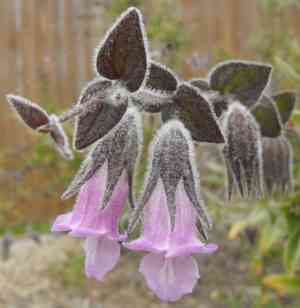
Island pitchersage (Lepechinia fragrans)
Also known as: None
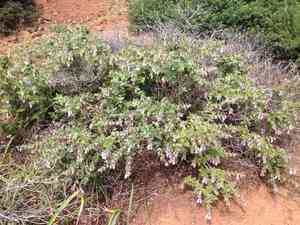
Island pitchersage (Lepechinia fragrans) is a shrub in the mint family that thrives in the western U.S. Its grayish look comes from the fuzzy hairs covering the plant. Though it can serve as an ornamental plant, its lifespan is relatively short. Bumblebees are the key pollinators for this species.
In This Article
Attributes of Island pitchersage
Lifespan
Perennial
Plant Type
Shrub
Plant Height
60 cm to 2 m
Spread
60 cm to 1.8 m
Leaf Color
Silvery green
Flower Size
1 to 2 centimeters
Flower Color
Pink Purple
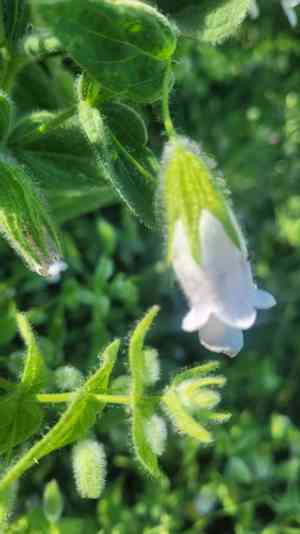
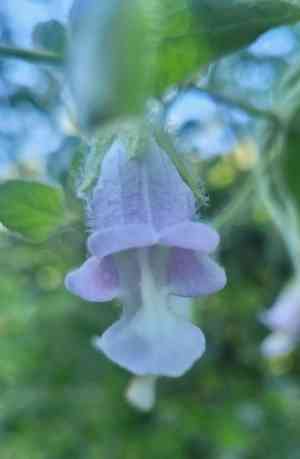
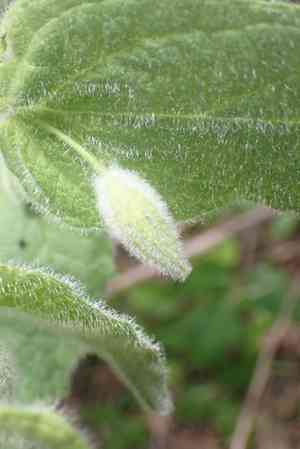
Images of Island pitchersage
Quickly Identify Island pitchersage
1
Lepechinia fragrans can be identified by its robust, sage-like leaves covered in fine hairs that give them a silvery appearance. The plant produces clusters of tubular, aromatic flowers that are usually white or very pale lavender in color.
Scientific Classification of Island pitchersage
Phylum
Vascular plants
Class
Dicotyledons
Order
Lamiales
Family
Mint
Genus
Pitcher sages
Species
Island pitchersage
Planting and Growing of Island pitchersage
Care Difficulty
Easy
Watering Schedule
Every 2 days
Sunlight Requirements
Partial sun
Sunshine Duration
6-10 hours
Ideal Temperature
60-75℉
Soil Type
Potting Mix, Peat Mix
Soil pH
6.5-7.5
Fertilizer Type
Balanced
Pruning Season
Spring, Summer
Pruning Area
Branches, Leaves
Pruning Frequency
2 times a year
Repotting Season
Spring
Pot Type
Terracotta, Plastic
 How to Water Island pitchersage?
Lepechinia fragrans prefers moderate watering. You should aim to provide around 200 milliliters each time, ensuring the soil is adequately moist but not waterlogged. This plant thrives when the soil dries out a bit between waterings, allowing the roots to breathe.
What are the symptoms of an underwatered Island pitchersage?
›
What should I do if my Island pitchersage is not getting enough water?
›
What are the symptoms of an overwatered Island pitchersage?
›
How to save an overwatered Island pitchersage?
›
 What Are the Sunlight Requirements for Island pitchersage?
Lepechinia fragrans thrives best in environments offering partial to full sunlight, with benefits like improved growth, vibrant foliage, and prolific flowering due to adequate photosynthesis.
More About Sunlight Requirements Techniques→
How much sunlight does Lepechinia fragrans need?
›
What if Lepechinia fragrans receives too much light?
›
Can Lepechinia fragrans tolerate low light conditions?
›
 What Is the Ideal Temperature Range for Island pitchersage?
The ideal temperature range for Lepechinia fragrans is between 60°F and 75°F. This range ensures optimal growth and vibrant foliage. Temperatures within this range help to maintain photosynthetic efficiency and overall plant health, allowing the plant to thrive.
 What Soil is Best for Island pitchersage?
Lepechinia fragrans thrives in well-drained soils. Proper drainage prevents root rot by ensuring that excess water does not linger around the roots, allowing the plant to absorb necessary nutrients effectively. The plant benefits from nutrient-rich soil, which supports robust growth and vibrant foliage. Using a compost-enhanced soil mix can supply essential nutrients, fostering healthier blooms and foliage. Lepechinia fragrans appreciates soil that retains some moisture yet is not waterlogged. Balanced moisture levels help maintain plant vitality and promote consistent growth throughout the growing season.
 How to Fertilize Island pitchersage?
For Lepechinia fragrans, use a balanced liquid fertilizer diluted to half-strength to avoid over-fertilization. Each application should use approximately 100 ml of solution per plant, ensuring even coverage.
 How to Prune Island pitchersage?
Begin pruning by removing any dead or damaged branches. Focus on cutting back about a third of the plant's height to maintain a desirable shape. This encourages new growth from the base, leading to a bushier appearance. For branches that have grown excessively long, prune them back to a node where you want new growth to start. This will help maintain a balanced structure and prevent the plant from becoming lopsided.
More About Pruning Techniques→
 How to Propagate Island pitchersage plant?
1
Collect seeds in autumn when they are fully matured. Clean the seeds by removing any pulp or fibrous material and allow them to dry for a few days before storing them in a cool, dry place until early spring planting.
2
During early spring, select healthy, non-flowering stems for cuttings. Cut a section about 4-6 inches long, ensuring there are at least a couple of leaves on it. Remove any leaves from the lower half to encourage root development.
3
Prepare a well-draining soil mix for planting seeds or cuttings. This mix should be composed of equal parts peat moss, perlite, and sand to encourage both drainage and aeration, which are vital for root development.
 How to Repot Island pitchersage plant?
1
Watch for signs such as roots growing out of the drainage holes, slow growth, or soil that dries out too quickly. These indicate it's time to repot your Lepechinia fragrans. Optimal repotting windows are during spring and autumn when the plant can recover easiest.
2
Select a pot that is 2 inches larger in diameter than the current one. Ensure it has adequate drainage holes to prevent waterlogging. A pot made of breathable material like terracotta can help aerate the roots, promoting healthy growth.
3
Opt for a well-draining potting mix, preferably one that contains components like perlite or sand to ensure good aeration. This helps prevent root rot by allowing excess moisture to escape efficiently, providing a stable environment for your plant.
Learn More About Island pitchersage Diseases
Anthracnose
Bacterial Leaf Spot
Bacterial Soft Rot
Bacterial Wilt
Black Spot
Chemical Injury
Crown Gall
Cyst Nematode
Damping-off
Downy Mildew
Drought Stress
Fusarium Wilt
Gray Mold
Leaf Curl
Leaf Spot
Mosaic
Nutrient Deficiency
Nutrient Toxicity
Powdery Mildew
Root Rot
Root-knot Nematode
Rusts
Sooty Mold
Spider Mites
Temperature Stress
Thrips Damage
White Mold



