How to Propagate Island pitchersage?
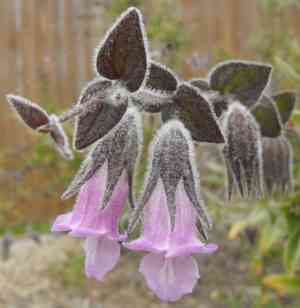
Island pitchersage can be successfully propagated using stem sections. Select a vigorous cutting that possesses multiple leaf nodes and embed it in a potting blend that drains efficiently. By sustaining a moist atmosphere and consistent spraying, root systems generally establish strongly. This technique offers a simple means for cultivators to enlarge their assortment of island pitchersage.
Optimal Time for Island Pitchersage Propagation
Propagation Type
Cutting
Propagation Season
Autumn,Winter
Tools for Island Pitchersage Propagation
Sharp pruning shears
Crucial for obtaining clean, precise cuttings from island pitchersage, sharp pruning shears prevent damage to the parent plant and ensure a clean cut, enhancing rooting potential. The keen blades minimize tissue bruising or tearing, vital for successful healing and subsequent root formation of the cutting.
Rooting hormone
This chemical compound stimulates root development from island pitchersage cuttings. Applying rooting hormone to the cut end boosts the likelihood of successful root formation by accelerating root initiation and increasing the rooting rate, especially important for woody plants like island pitchersage that might otherwise root slowly or with difficulty.
Sterile potting mix
A well-draining and sterile potting mix offers an ideal environment for new island pitchersage roots to grow without the threat of fungal or bacterial infections, common in non-sterile media. This medium should be light enough for easy root penetration yet stable enough to support the plant as it matures.
Propagation trays
Used to hold island pitchersage cuttings after they've been treated with rooting hormone. These trays require good drainage and the ability to maintain high humidity around the cuttings, which helps prevent them from drying out before roots have formed.
Plastic domes or covers
Placing a plastic dome or cover over propagation trays helps maintain a humid atmosphere around island pitchersage cuttings. High humidity is essential to prevent excessive moisture loss through transpiration, a common issue in early propagation stages before cuttings develop their own root systems for water uptake.
Propagating Island Pitchersage Guide
Propagation Type
Moderately Difficult
Caring for Newly Propagated Island Pitchersage
Caring for Newly Propagated Island Pitchersage
Once roots emerge, gradually introduce young island pitchersage plants to less humid conditions over several days before transplanting them. Ensure consistent watering, but avoid waterlogging the soil. Island pitchersage thrives in full to partial sun and well-draining soil. Regular trimming promotes a bushy habit and more blooms.
Common Propagation Mistakes for Island Pitchersage
Overwatering
Excessive moisture can cause root rot in island pitchersage, which prefers well-drained soil. Overwatering reduces oxygen availability to the roots, impairing plant health and decreasing propagation success.
Using old or contaminated soil
This can introduce pathogens and pests to island pitchersage, hindering healthy growth and propagation. Infected soil can compromise the rooting process and overall plant vigor.
Neglecting humidity requirements
Ignoring the humidity needs of island pitchersage leads to slow root development and increases susceptibility to pests. Proper humidity levels are crucial for encouraging healthy root and foliage growth during propagation.
Island Pitchersage Propagation Tips
Use fresh, sterile potting mix
This ensures island pitchersage is free from diseases and pests that could hinder root development. A fresh medium also provides adequate nutrients and drainage for optimal growth.
Maintain adequate humidity
Keeping humidity at a moderate level can enhance rooting success and foliage health in island pitchersage. This supports a stable environment conducive to growth during the critical early stages of propagation.
Proper watering techniques
Water island pitchersage adequately but avoid waterlogging. Ensure the medium is moist but well-drained to foster healthy root growth without the risk of fungal infections.



