How to Prune Kencur?
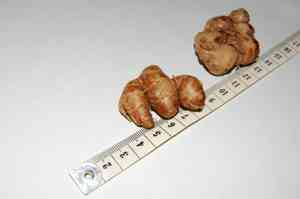
Kencur, a tropical rhizomatous herb, is known for its fragrant leaves and applications in cooking. Trimming should concentrate on eliminating old foliage and stalks to promote robustness and a dense shape. The ideal period for pruning is in the spring and summer seasons when the plant is actively developing. Enhancing air circulation and lowering the chance of illness are particular advantages of pruning kencur. Consistent trimming can also stimulate the growth of the aromatic rhizomes prized for their culinary and therapeutic qualities.
What Are the Benefits of Pruning Kencur?
What Are the Benefits of Pruning Kencur?
Trimming kencur promotes more robust development and helps maintain its desired form. This horticultural practice stimulates fresh, strong shoots and contributes to the herb's pleasing visual structure.
What Is the Best Time for Pruning Kencur?
What Is the Best Time for Pruning Kencur?
Trimming kencur in spring and early summer aligns with the plant's life cycle, as this is when it begins to emerge from dormancy and starts vigorous growth. These periods offer the opportunity to shape the plant and encourage healthy new development before it expends energy on blooming or seed production. Pruning at these times also helps prevent diseases and pests, as cuts heal faster during active growth. Additionally, removing dead or damaged foliage at this stage improves air circulation and light penetration within the leaves, which is crucial for kencur's overall health.
What Tools Do I Need to Prune Kencur?
Sharp Secateurs
Perfect for trimming or shaping the aerial parts of kencur. They create clean cuts that can facilitate better healing of the trimmed surfaces.
Pruning Shears
Useful for cutting soft, succulent growth or foliage of kencur, aiding in the removal of dead or yellowing leaves without harming the plant.
Garden Scissors
Allow for precise snipping in confined areas among kencur's foliage, which may be necessary for thinning or routine maintenance.
Hand Gloves
Essential for protecting the gardener's hands from potential skin irritants while handling kencur or from soil-borne pathogens during the trimming process.
How to Prune Kencur
Sterilize Tools
Sanitize your pruning shears or scissors with alcohol or a bleach solution to prevent the spread of disease to kencur.
Remove Diseased Leaves
Carefully remove any diseased leaves from kencur by cutting them at their base where they connect to the stem. Avoid tearing the leaves to minimize plant damage.
Trim Withered Leaves
Cut off withered or yellowing leaves from kencur cleanly at the base, which will help direct the plant's energy towards healthy growth.
Prune Diseased Stems
Identify and cut back diseased stems on kencur to the nearest healthy section, making cuts at a 45-degree angle to aid water runoff and prevent rot.
Clean Up
Properly dispose of the removed plant parts to prevent disease spread and tidy the area around kencur to maintain healthy growing conditions.
Common Pruning Mistakes with Kencur
Overpruning
Removing too much foliage from kencur can stress the plant and impede its growth. Kencurs are not heavy feeders, and excessive cutting can lead to poor health and reduced vigor.
Cutting Healthy Growth
Trimming away healthy leaves and stems of kencur can be counterproductive. It's crucial to focus on removing only the parts that are dead, diseased, or overgrown to maintain the plant's vitality.
Improper Tool Use
Using dull or dirty pruning tools can damage kencur's stems and leaves, resulting in ragged cuts that may attract pests and diseases.
Ignoring Plant Shape
Pruning kencur without considering its natural growth habit can lead to a loss of its aesthetic form and negatively impact its overall appearance.
Tearing Stems
Harshly ripping or tearing the stems of kencur instead of making clean cuts can harm the plant and hinder its ability to heal properly.
Common Pruning Tips for Kencur
Sanitize Tools
Before trimming kencur, always use sanitized and sharp tools to make precise cuts. This helps prevent disease spread and ensures quick healing.
Selective Pruning
Focus on removing dead or yellowing leaves from kencur at the stem's base to encourage new growth and maintain a neat appearance without compromising the plant's health.
Avoid Wet Conditions
Avoid trimming kencur when it's wet, as this can easily spread fungus and diseases. Wait for a dry day before making any cuts.
Monitor Growth
Regularly check kencur for excessive growth or crowding. Light thinning may be necessary to ensure adequate air circulation, which helps prevent disease.
Cut At An Angle
Make angled cuts on kencur's stems to allow water to run off and to promote quick healing, reducing the chance of disease establishing in the cut surfaces.



