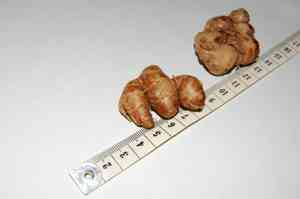
Kencur (Kaempferia galanga)
Also known as: Sand ginger, Resurrection lily
Kaempferia galanga, also known as kencur, belongs to the ginger family and is notable for its aromatic qualities. Widely used in East Asian cuisines, it is particularly prominent in Indonesian dishes. Kencur lends its earthy and slightly peppery flavor to spice pastes and soups, similar to galangal. Apart from its culinary uses, it is also appreciated in ornamental gardens for its attractive white flowers with purple centers and lush, broad leaves.
In This Article
Attributes of Kencur
Lifespan
Perennial
Plant Type
Herb
Plant Height
45 cm
Spread
50 cm
Leaf Color
Green
Flower Size
2.5 cm to 5 cm
Flower Color
White Purple
Images of Kencur
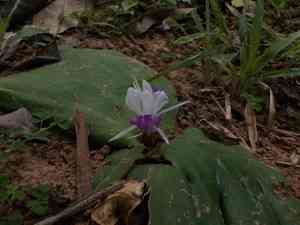
Quickly Identify Kencur
1
Kaempferia galanga can be identified by its unique broad, ovate leaves that lie flat on the ground and its small white flowers with a purple center that appear directly from the rhizome.
Scientific Classification of Kencur
Phylum
Vascular plants
Class
Monocotyledons
Order
Zingiberales
Family
Ginger
Genus
Peacock gingers
Species
Kencur
Planting and Growing of Kencur
Care Difficulty
Easy
Watering Schedule
Every 6 days
Sunlight Requirements
Partial sun
Sunshine Duration
6-8 hours
Ideal Temperature
70-85℉
Soil Type
Potting Mix, Peat Mix
Soil pH
6.5-7.5
Fertilizer Type
Balanced
Pruning Season
Spring, Summer
Pruning Area
Branches, Leaves
Pruning Frequency
2 times a year
Repotting Season
Spring
Pot Type
Plastic, Ceramic
 How to Water Kencur?
For Kaempferia galanga, it's essential to provide consistent moisture without waterlogging the soil. Aim to water until the top 2 inches (about 5 cm) of soil are damp, but not soggy. This generally translates to around 150 milliliters per session, ensuring the roots aren't suffocated by too much water yet receive enough moisture to thrive.
What are the symptoms of an underwatered Kencur?
›
What should I do if my Kencur is not getting enough water?
›
What are the symptoms of an overwatered Kencur?
›
How to save an overwatered Kencur?
›
 What Are the Sunlight Requirements for Kencur?
Partial shade allows Kaempferia galanga to utilize gentle sunlight, fostering lush growth and enhancing oil production for aromatic uses, integral to its value.
How much light does Kaempferia galanga need daily?
›
What are the solutions to provide ideal lighting for Kaempferia galanga?
›
What benefits does Kaempferia galanga gain from ideal light conditions?
›
 What Is the Ideal Temperature Range for Kencur?
The ideal temperature range for Kaempferia galanga is between 70°F and 85°F. This range provides the optimal environment for the plant's growth and ensures its metabolic processes function efficiently. Maintaining this temperature range encourages healthy foliage and robust rhizome development.
 What Soil is Best for Kencur?
Kaempferia galanga thrives in well-drained soil to prevent waterlogging, which can cause root rot. This property ensures adequate oxygen reaches the roots, supporting healthy growth and vibrant foliage. It prefers soil with moderate moisture levels. Soils that retain some water but do not become soggy promote strong root development and prevent stress, leading to more robust growth. Rich, fertile soil that is high in organic matter supports the nutritional needs of Kaempferia galanga. This aids in vigorous growth and enhances resistance to diseases and pests.
 How to Fertilize Kencur?
Kaempferia galanga benefits from a moderate amount of fertilizer. Using too little may stunt its growth, while too much can lead to leaf burn. A balanced 10-10-10 NPK ratio at a rate of 1 teaspoon per gallon of water for liquid fertilizers is sufficient, ensuring a gentle but consistent nutrient supply.
 How to Prune Kencur?
Begin pruning by identifying any old, wilted, or browning leaves and stems. These should be removed first to direct the plant's energy toward newer, healthier growth. Make clean cuts close to the base of stems needing removal, but be careful not to cut too close to the main stem to avoid stressing the plant. To encourage bushier growth, lightly trim back the tips of healthy stems. This encourages lateral growth and results in a fuller plant.
More About Pruning Techniques→
 How to Propagate Kencur plant?
1
Carefully uproot the Kaempferia galanga plant from its pot or ground, ensuring minimal damage to the roots to maintain the health of the divisions.
2
With a sharp knife or sterilized shears, cut the rhizomes into sections, each containing a few buds or growth points to ensure new growth.
3
Plant each divided section in well-draining soil, maintaining the same depth as before to encourage healthy root development.
 How to Repot Kencur plant?
1
Repot Kaempferia galanga when you notice roots emerging from the pot's drainage holes or the plant's growth has significantly slowed. These are clear signals that your herb needs more space to thrive and absorb nutrients adequately.
2
Opt for a pot that is 1-2 inches larger in diameter than the current one and has ample drainage holes. A slightly larger pot encourages healthy root development without overwhelming the plant, reducing the risk of root rot.
3
Opt for a well-draining, loamy soil mix that retains some moisture but does not become waterlogged. Such soil balances moisture retention and aeration, promoting healthy root growth and preventing fungal diseases.



