How to Prune Utah Juniper?
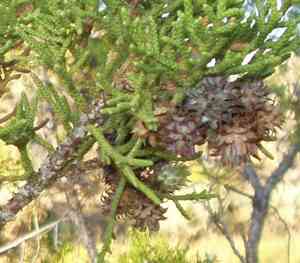
A robust evergreen featuring scaly foliage and a contorted structure, utah Juniper thrives with trimming to accentuate its inherent silhouette and foster vigorous development. Essential methods involve reducing dense branches and eliminating lifeless or infected timber. Trimming ought to be conducted in the colder months to lessen sap leakage and strain. For this particular variety, careful pruning preserves its structural soundness and can hinder the dissemination of diseases prevalent in moister climates.
What Are the Benefits of Pruning Utah Juniper?
What Are the Benefits of Pruning Utah Juniper?
Trimming utah Juniper promotes robust development and preserves its desired form. By cutting back overgrown limbs, it improves air circulation and light penetration, crucial for a thriving plant. Strategic cuts can prevent illness spread and maintain an attractive appearance.
What Is the Best Time for Pruning Utah Juniper?
What Is the Best Time for Pruning Utah Juniper?
Pruning utah Juniper in late winter to early spring aligns with the plantâs dormant phase, minimizing sap loss and stress. It also offers a chance to shape the plant and remove any winter-damaged tissue before the growing season, allowing new growth to flourish unhindered. During dormancy, utah Juniper's stored energy is directed to healing pruned areas, reducing the risk of disease and insect infestation. As utah Juniper does not have a prominent flowering or fruiting period that would dictate pruning times, wintertime pruning will not negatively affect any reproductive cycles.
What Tools Do I Need to Prune Utah Juniper?
Hand Pruners
Perfect for making precise cuts on utah Juniper, as they can easily shape and maintain small to medium branches without causing unnecessary harm.
Loppers
These provide the leverage needed to cut through thicker branches of utah Juniper that hand pruners cannot handle, due to the expanded diameter of the cutting area.
Pruning Saw
For mature or particularly thick branches of utah Juniper, a pruning saw is essential to make clean cuts without damaging the surrounding plant tissue.
Hedge Shears
Useful when shaping the foliage of utah Juniper into desired forms or when needing to trim a larger area of growth with even, sweeping cuts.
Pruning Gloves
To protect hands from the sharp foliage of utah Juniper and offer a better grip on the tools while pruning.
How to Prune Utah Juniper
Step1: Inspect Plant for Problematic Growth
Examine utah Juniper for dead wood, diseased limbs, and unwanted suckers before starting the pruning process. This initial check will help identify specific areas needing attention. Wear gloves and use clean, sharp tools to prevent disease spread.
Step2: Remove Dead Wood from Plant
Start by removing dead wood, which serves no purpose to utah Juniper. Locate any branches that are discolored, shriveled, or snap easily. Make cuts at a 45-degree angle, approximately 1/4 inch above a living stem or bud that is facing the outside of the plant to encourage proper growth. Use anvil pruners or a small saw for this task depending on the thickness of the branch.
Step3: Cut Away Diseased Limbs
Identify and cut away diseased limbs of utah Juniper next. Look for branches with signs of disease, such as unusual coloration or texture, lesions, and decay. Cut the limb back to healthy tissue, ensuring you remove all of the diseased parts to prevent further spread. Sterilize the tools after each cut with a solution of one part bleach to nine parts water.
Step4: Eliminate Unwanted Suckers
Address unwanted suckers growing at the base of utah Juniper or along the roots. Suckers can drain energy from utah Juniper, potentially stunting its growth. They can be removed by cutting them back to the point of origin. This will ensure that they do not regrow and take away vital resources from the main structure of utah Juniper.
Step5: Light Pruning for Plant Shape and Health
After removing dead, diseased, and unwanted growth, evaluate utah Juniper for overall shape and health. Light pruning for shape can be performed by carefully thinning out crowded areas to allow light and air circulation, which promotes healthy growth. Selectively trim back overgrown branches to maintain the desired shape and size of utah Juniper.
Step6: Clean Up Pruning Debris
Clear away the trimmings to prevent potential fungal or pest problems. Dispose of the diseased material properlyâdo not compost it, as this could spread disease.
Step7: Water Plant Post-Pruning
Water utah Juniper deeply after pruning. This will help the plant recover and encourage strong root growth. Avoid fertilizing immediately after pruning, as this can cause undue stress to utah Juniper.
Step8: Monitor Plant for Post-Pruning Health
Monitor utah Juniper regularly for any signs of stress or continued issues after pruning. A healthy pruning process will help ensure longevity and vitality for utah Juniper.
Post-Pruning Care for Utah Juniper
Post-Pruning Care for Utah Juniper
Immediately after pruning utah Juniper, water the plant deeply to reduce stress. Ensure that utah Juniper receives adequate but not excessive sunlight, as too much can cause stress while too little may lead to weak growth. Maintain a stable environment, avoiding temperature extremes and high humidity that can promote disease. Apply a balanced fertilizer to assist recovery, but avoid over-fertilization which may cause further stress. Monitor utah Juniper for signs of stress such as wilting or yellowing. At any indication of infection like abnormal growth or discoloration, consult a professional. Regular observations post-pruning help in taking timely actions to maintain utah Juniper's health.
Common Pruning Mistakes with Utah Juniper
Excessive Pruning in One Session
Trimming utah Juniper too severely in a single session, which can stress the plant and lead to poor growth or even death.
Cutting Into Non-productive Old Wood
Cutting into the old wood where no new growth occurs could leave the utah Juniper unable to produce new branches or foliage.
Using Dull or Dirty Pruning Tools
Using dull or dirty pruning tools that can damage the utah Juniper's branches and make the plant susceptible to diseases.
Pruning Without Reason or Plan
Pruning without a clear reason or plan, resulting in an unbalanced shape and potentially harming the utah Juniper's overall health.
Neglecting Dead or Diseased Branches
Ignoring dead, diseased, or damaged wood, which can hinder the utah Juniper's growth and health if not removed promptly.
Common Pruning Tips for Utah Juniper
Sterilize Tools and Make Clean Cuts
Sterilize pruning tools before starting and make clean cuts to avoid damage and disease in utah Juniper.
Thin Over Shearing for Natural Growth
Focus on thinning rather than shearing to maintain natural growth patterns and promote sunlight penetration and air circulation within the utah Juniper.
Remove Dead or Diseased Wood Only
Identify and remove only dead, diseased, or damaged wood, which helps to maintain the utah Juniper's health and vigor.
Retain Natural Shape During Pruning
Retain the utah Juniper's natural shape and character during pruning, working with the plant's inherent growth habit.
Limit Green Tissue Removal Gradually
Limit the removal of green, living tissue to avoid stressing the utah Juniper, and plan any significant reshaping over successive seasons.



