Enhancing Your Garden Design with the Utah Juniper Plant: A Landscaping Guide
1
The Utah Juniper exhibits remarkable resilience to drought, rendering it perfect for dry environments.
2
This juniper variety offers continuous foliage, guaranteeing a lively garden throughout the year.
3
Incorporating Utah Juniper into your outdoor space can greatly enhance local animal ecosystems.
Why Select Utah Juniper for Your Outdoor Space?
Drought Resilience and Climate Suitability
A primary reason to opt for Utah Juniper in your landscape is its exceptional drought tolerance. Unlike many plants that struggle in hot, arid conditions, Utah Juniper flourishes. Its deep root system allows it to access moisture inaccessible to other, shallower-rooted plants. If you reside in a drought-prone region or aim to decrease water consumption, Utah Juniper is a practical and eco-friendly option. Furthermore, it adapts well to diverse climatic conditions, easily enduring both cold winters and hot summers.
Sustaining Natural Beauty Across Seasons
Another attractive quality of Utah Juniper is its capacity to retain its inherent beauty throughout the year. While many plants shed their foliage or vibrant hues in winter, Utah Juniper stays verdant and lush, offering continuous visual interest in your garden. This evergreen characteristic ensures your landscape remains appealing, regardless of the season, providing a dependable backdrop for other seasonal flora. Whether covered in snow or bathed in summer sun, Utah Juniper delivers lasting aesthetic charm.
Supporting Local Fauna
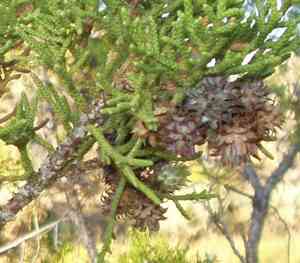
Integrating Utah Juniper into your landscape can establish a beneficial habitat for indigenous wildlife. Its dense foliage and berry-like cones offer sustenance and refuge for various avian species and small mammals. This contribution to biodiversity aids the ecosystem, attracting pollinators and natural pest controllers, such as insect-eating birds. By planting Utah Juniper, you're not just enhancing your garden's appearance; you're also fostering a healthier environment for local creatures.
Design Concepts for Incorporating Utah Juniper in Your Landscape
Creating Privacy Barriers with Utah Juniper
If you desire seclusion in your outdoor area, Utah Juniper is an excellent choice for forming natural screens. Planted in rows or clusters, its dense foliage effectively obstructs views and diminishes noise, providing a tranquil haven in your garden. It presents an appealing alternative to artificial fences, offering a more organic and visually pleasing barrier. Beyond privacy, these green screens can serve as windbreaks, safeguarding other plants and creating a more comfortable outdoor setting.
Utilizing Utah Juniper as a Central Feature in Garden Design
In garden planning, Utah Juniper functions beautifully as a focal point due to its striking shape and abundant foliage. Whether employed as a solitary specimen or as part of a group planting, it can anchor your garden design and capture attention. Its form and color offer an intriguing contrast to other plants, making it a prominent element in any garden layout. Strategically positioned, it can also frame vistas or provide a backdrop for blooming plants and garden art.
Pairing Utah Juniper with Other Plants for Contrast
Combining Utah Juniper with a variety of other plants can yield an attractive, diverse landscape. Its rich, green hue complements flowering shrubs and perennials well, adding texture and depth to your garden. Consider planting Utah Juniper alongside vibrant blossoms to accentuate their colors, or blend it with other evergreens for a harmonious, layered effect. The contrast in growth habits, leaf forms, and colors will introduce visual appeal and dynamism to your garden.
Placement and Spacing Considerations for Utah Juniper
Optimal Conditions for Planting Utah Juniper
When planting Utah Juniper, it's vital to select a location that mimics its natural environment for ideal growth. This plant thrives in well-drained soils and is particularly tolerant of rocky and sandy terrains. It doesn't demand rich soil, making it suitable for areas where other plants struggle. Sufficient sunlight is crucial, so plant Utah Juniper in a spot that receives full to partial sun. Proper soil preparation, by ensuring good drainage and avoiding waterlogged areas, will help Utah Juniper establish and flourish.
Spacing Utah Juniper for Growth and Vitality
Correct spacing is essential for the health and development of Utah Juniper. When planting multiple shrubs, ensure they are adequately spaced to prevent overcrowding, which can lead to poor air circulation and fungal diseases. Typically, spacing Utah Juniper approximately 5 to 15 feet apart, depending on the specific cultivar and desired density, will provide ample room for their roots and branches to spread without competition. This spacing also guarantees each plant receives sufficient sunlight and nutrients from the soil.
Selecting the Right Location: Sunlight and Soil Requirements
Choosing the appropriate site for Utah Juniper involves considering both sunlight and soil needs. As previously mentioned, this plant prefers full to partial sun, meaning at least six hours of direct sunlight daily. Regarding soil, while Utah Juniper adapts to various soil types, it thrives best in slightly alkaline to neutral pH levels. Planting in an area with good drainage is critical, as standing water can cause root rot and other problems. Testing your soil and amending it if necessary can create optimal conditions for Utah Juniper to prosper.
Long-term Advantages of Including Utah Juniper in Your Landscape
Boosting Property Value with Established Utah Juniper
Mature Utah Juniper plants can significantly increase your property's worth. Their established, resilient presence adds a sense of permanence and maturity to the landscape, which can be very appealing to prospective homebuyers. The aesthetic charm of a mature Utah Juniper, with its structured form and lush greenery, can distinguish your property. Homes with well-maintained, established landscapes often command higher market prices, making Utah Juniper a smart long-term investment for homeowners aiming to enhance their property's curb appeal.
Environmental Impact: Reducing Carbon Emissions
Incorporating Utah Juniper into your landscape also yields positive environmental effects. As an evergreen, Utah Juniper continuously absorbs carbon dioxide and releases oxygen, helping to diminish your carbon footprint. Additionally, its low water requirement means less strain on local water resources, promoting sustainable gardening practices. The presence of Utah Juniper contributes to a healthier local ecosystem by providing habitats for wildlife and maintaining soil stability, which can help combat erosion.
Low Maintenance Longevity for Busy Homeowners
For busy homeowners, Utah Juniper offers the benefit of minimal upkeep without sacrificing beauty. Once established, this plant demands little care, making it ideal for those who desire an attractive garden without the time commitment of frequent watering, pruning, or fertilizing. Its natural resistance to pests and diseases further reduces the need for chemical treatments, making your garden safer and more eco-friendly. With a bit of initial effort in planting and proper placement, Utah Juniper can thrive with minimal intervention, providing enduring greenery and structure with little upkeep.



