How to Prune Rock mousetail?
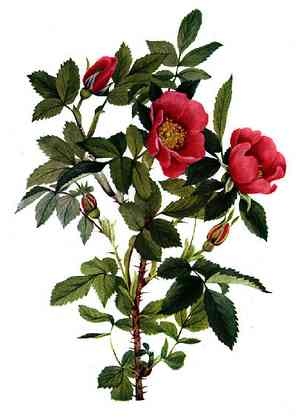
Chaenorhinum origanifolium, recognized for its fine, fern-like foliage and grouped yellow blossoms, thrives with trimming in early spring or late winter. Eliminate any deceased or compromised stalks to foster robust development and enhance air movement. Cut back any areas that have become too large to preserve its dense shape. Trimming stimulates more abundant flowering and lowers the likelihood of pest problems. Always use sanitized, sharp implements to avert the spread of pathogens.
Advantages of Trimming Rock Mousetail
Advantages of Trimming Rock Mousetail
Rock mousetail benefits from trimming by encouraging robust development and maintaining its form. Proper trimming enhances overall appearance, decreases the likelihood of pest and disease outbreaks, and promotes healthier growth.
Optimal Period for Trimming Rock Mousetail
Optimal Period for Trimming Rock Mousetail
Trimming rock mousetail in late winter or early spring is ideal as the plant is dormant then. This timing minimizes plant stress and fosters healthy growth. During dormancy, rock mousetail is less susceptible to diseases and pests, and trimming at this time stimulates vigorous new growth once the growing season commences. Furthermore, avoiding trimming during the flowering or fruiting period ensures the plant's energy is directed towards producing flowers and seeds rather than healing pruning wounds.
Tools Required for Trimming Rock Mousetail
Bypass pruners
Bypass pruners are perfect for making clean cuts on live stems and branches without harming plant tissues. This precision is crucial for maintaining rock mousetail's health.
Pruning shears
Pruning shears are useful for more delicate trimming tasks, such as removing dead or damaged leaves and stems from rock mousetail. Their smaller size makes them excellent for detailed work.
Sharp scissors
Sharp scissors can be utilized for very fine and precise trimming tasks. They are especially helpful for reaching tight spots within rock mousetail's growth habit.
Gloves
Protective gardening gloves are essential to prevent injuries while handling and trimming rock mousetail. They also provide a better grip on the tools.
How to Trim Rock Mousetail
Identify
Inspect the plant for any diseased or withered leaves. Diseased leaves may show signs of discoloration, spots, or mold, while withered leaves appear dry and lifeless.
Sanitize
Ensure your trimming tools are clean to prevent disease spread. Sanitize your scissors or pruners with a mixture of one part bleach to nine parts water.
Trim diseased
Carefully trim any diseased leaves first, cutting them as close to the base as possible without harming the healthy parts of the plant. Dispose of these leaves away from the plant area.
Trim withered
Next, trim off any withered leaves. Make clean cuts to avoid tearing the plant tissue. Again, dispose of these plant parts properly.
Monitor
Regularly observe the plant for new signs of disease or withering, and remove any affected leaves promptly to maintain rock mousetail's health.
Common Trimming Errors with Rock Mousetail
Over-pruning
Removing too much foliage can stress rock mousetail, hindering its growth and potentially leading to plant shock.
Incorrect timing
Trimming at the wrong time of year can disrupt rock mousetail's natural growth cycle and flowering patterns.
Using dull tools
Employing blunt or dirty trimming tools can cause ragged cuts, increasing the risk of disease and pest infestation.
General Trimming Advice for Rock Mousetail
Use sharp, clean tools
Ensure that trimming shears or scissors are sharp and sterile to make clean cuts and reduce the risk of infection.
Prune lightly
Focus on removing dead, damaged, or diseased stems first. Limit the amount of live tissue removed to avoid stressing rock mousetail.
Observe plant growth
Watch how rock mousetail grows and blooms. This will help identify the best points for light trimming and shaping, enhancing its natural form.



