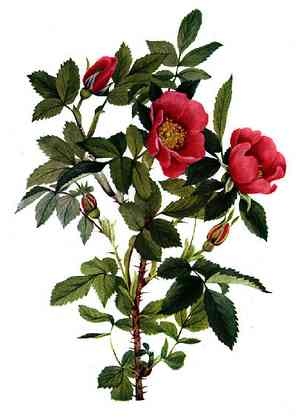
Rock mousetail (Ivesia saxosa)
Also known as: Rock Ivesia
Alpine cushion plants are hardy perennials that excel in rocky, high-altitude settings. One such plant, Draba (Whitlow-grass), exhibits a mat-like growth habit, enabling it to thrive in these challenging environments. It features finely divided, pinnate leaves and produces clusters of small, yellow flowers during the warmer months. This plant combines resilience with a delicate aesthetic.
In This Article
Attributes of Rock mousetail
Lifespan
Perennial
Plant Type
Herb
Plant Height
10-30 cm
Spread
10-30 cm
Leaf Color
Green
Flower Size
0.5-1 cm
Flower Color
Yellow
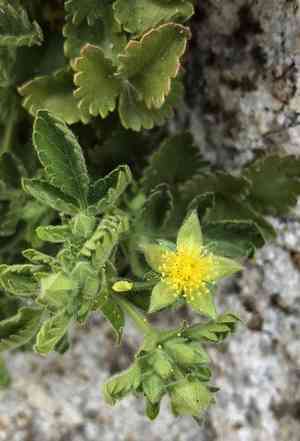
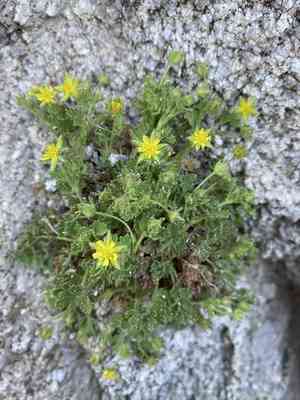
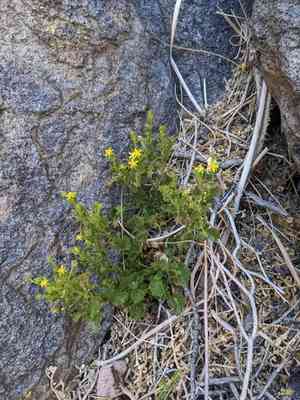
Images of Rock mousetail
Quickly Identify Rock mousetail
1
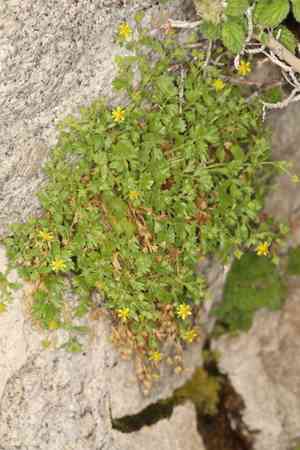
To identify Ivesia saxosa, look for its pinnate, fern-like leaves, and small yellow flowers that grow in dense clusters. The plant often has a tufted appearance and may be found growing from rock crevices or other rugged terrains.
Scientific Classification of Rock mousetail
Phylum
Vascular plants
Class
Dicotyledons
Order
Rosales
Family
Rose
Genus
Mousetails
Species
Rock mousetail
Planting and Growing of Rock mousetail
Care Difficulty
Moderate
Watering Schedule
Every 2 days
Sunlight Requirements
Full sun
Sunshine Duration
4-8 hours
Ideal Temperature
50-77℉
Soil Type
Potting Mix, Peat Mix
Soil pH
6.5-7.5
Fertilizer Type
Balanced
Pruning Season
Spring, Summer
Pruning Area
Branches, Leaves
Pruning Frequency
2 times a year
Repotting Season
Spring
Pot Type
Plastic, Terracotta
 How to Water Rock mousetail?
Ivesia saxosa, commonly known as rock ivesia, requires about 150 milliliters of water per session. The aim is to moisten the soil thoroughly without leaving it soggy. It's essential to water until the soil feels evenly damp down to about an inch or two below the surface.
What are the symptoms of an underwatered Rock mousetail?
›
What should I do if my Rock mousetail is not getting enough water?
›
What are the symptoms of an overwatered Rock mousetail?
›
How to save an overwatered Rock mousetail?
›
 What Are the Sunlight Requirements for Rock mousetail?
Ivesia saxosa flourishes in full to partial sun. This range ensures it gets enough energy for full growth and flowering, enhancing its survival and decorative features in gardens.
Optimal Sun Exposure
›
Solution for Ideal Light
›
Benefits of Ideal Light
›
 What Is the Ideal Temperature Range for Rock mousetail?
The ideal temperature range for growing Ivesia saxosa is between 50°F and 77°F. These conditions allow the plant to thrive without experiencing thermal stress. The temperature range mimics the natural environment of Ivesia saxosa, typically found in temperate regions, promoting healthy photosynthesis and growth.
 What Soil is Best for Rock mousetail?
Ivesia saxosa thrives in sandy soil because it provides excellent drainage, preventing root rot and waterlogging. Well-draining soil ensures that the plant's roots remain healthy and oxygenated, which is critical for its growth and survival in dry conditions. Although Ivesia saxosa can tolerate low-nutrient conditions, moderate soil fertility helps in maintaining vibrant foliage and supporting its delicate flowers. A balanced nutrient profile in the soil aids in sustaining the plant's overall vigor and resilience. Soil that offers good aeration is crucial for Ivesia saxosa, as it facilitates proper root respiration. This characteristic is particularly important in preventing fungal diseases and ensuring the plant's roots can access the oxygen they need to function effectively.
 How to Fertilize Rock mousetail?
For Ivesia saxosa, use a balanced fertilizer with an NPK ratio like 10-10-10. Apply liquid fertilizer diluted to half the recommended strength to avoid nutrient burn.
 How to Prune Rock mousetail?
Begin by closely examining your Ivesia saxosa for any dead or damaged stems. Pruning these will prevent disease spread and improve the plant's overall health. Make sure to use sharp, sterilized scissors or pruning shears. Once the dead stems are removed, proceed to trim the plant to maintain its desired shape. Ivesia saxosa can be shaped into a compact form by trimming back up to a third of the plant's length, which enhances its visual appeal. Carefully thin out areas where the growth is too dense to promote better air circulation. This practice not only helps prevent fungal issues but also ensures that light reaches all parts of the plant, encouraging balanced growth.
More About Pruning Techniques→
 How to Propagate Rock mousetail plant?
1
Prepare seedling trays with a well-draining potting mix. Evenly distribute seeds on the surface, cover lightly with soil, and water gently. Place the trays in a warm, sunny spot indoors or in a greenhouse to germinate.
2
Select healthy stems with no signs of disease or stress. Using sharp pruners, cut a 4-6 inch section from the parent plant just below a node, and remove the lower leaves, leaving a few at the top.
3
Carefully dig up a mature plant and gently separate the roots into smaller sections with a healthy shoot and root system. Replant the divisions immediately, ensuring they are at the same soil level as before.
 How to Repot Rock mousetail plant?
1
Ivesia saxosa needs repotting when roots start peeking out from the pot's drainage holes or when growth appears stunted. It's crucial to repot during its active growth periods in spring or autumn for optimal recovery and adaptation.
2
Select a pot that’s slightly larger than the current one, with ample drainage holes. This prevents waterlogging and encourages proper root development, offering the plant enough room to grow without overwhelming it.
3
Opt for a well-draining sandy soil mix tailored to mimic its natural habitat. This ensures that water flows freely, preventing root rot and maintaining the ideal moisture level crucial for Ivesia saxosa growth.



