How to Propagate Rock mousetail?
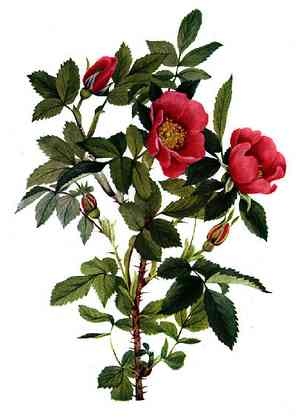
Rock mousetail generally thrives in arid zones, preferring rocky, sandy substrates. To achieve successful propagation, utilize a well-draining soil mix with a low organic content. The most effective method for propagation involves planting seeds in a regulated setting. Gently press the seeds onto the soil's surface, leaving them uncovered, as light is essential for their sprouting. Maintain consistent soil moisture, avoiding saturation, until the seeds germinate. A warm ambient temperature during this phase will encourage development.
Optimal Period for Rock Mousetail Propagation
Propagation Method
Seeding
Propagation Period
Spring
Equipment for Rock Mousetail Propagation
Seed Tray
Utilized for germinating rock mousetail seeds in a controlled setting, providing ample room for young plants without crowding.
Sterile Potting Mix
Offers a clean, disease-free growth medium, minimizing illness risk and fostering robust root growth for rock mousetail.
Mist Sprayer
Maintains consistent moisture levels without over-saturating, crucial for rock mousetail seed germination.
Humidity Dome
Creates a high-humidity environment around the seed tray, vital for rock mousetail's germination and initial growth phases.
Heat Mat
Adjusts soil temperature, promoting ideal germination conditions for rock mousetail seeds.
Label Stakes
Aids in tracking sowing dates and seed types, preventing confusion and ensuring proper care for rock mousetail.
Fine-Sieve
Used to apply a thin, even layer of soil or sand over seeds, improving seed-to-soil contact and ensuring uniform germination for rock mousetail.
Seed Dibber
Facilitates precise seed placement at the correct depth, essential for consistent rock mousetail germination.
Propagating Rock Mousetail
Propagation Difficulty
Simple
Caring for Your Newly Propagated Rock Mousetail
Caring for Your Newly Propagated Rock Mousetail
Once seedlings emerge and develop true leaves, transfer them to individual pots with similar well-draining soil. Gradually introduce them to outdoor conditions by increasing direct sunlight exposure and reducing watering frequency. Ensure their planting site mimics their natural rocky, well-drained habitat. Regularly inspect for pests and diseases, and provide minimal but consistent moisture to support their development.
Common Errors to Avoid When Propagating Rock Mousetail
Overwatering
This plant prefers well-drained soil; excessive watering can lead to root rot and stunted growth.
Using unsuitable soil
Loose, gritty, or rocky soil is vital. Poor soil can hinder root development and nutrient absorption.
Insufficient sunlight
Rock mousetail requires full sun. Inadequate light can result in leggy growth and weak plants.
Incorrect cutting technique
Dull or unclean tools can damage plant tissue and cause infections.
Ignoring humidity needs
Rock mousetail may initially require slightly higher humidity. Neglecting this can impede proper root development.
Advice for Propagating Rock Mousetail
Drainage
Ensure soil drains well to prevent waterlogging and root diseases.
Soil type
Use a mix that imitates rock mousetail's natural environment, such as a cactus or succulent blend.
Sun exposure
Position cuttings or seeds in a spot receiving ample sunlight.
Sterile tools
Utilize clean, sharp tools for taking cuttings to prevent infections.
Initial humidity
Maintain moderate humidity around cuttings to encourage root formation, using a humidity dome if necessary.



