How to Prune White-flowered iris?
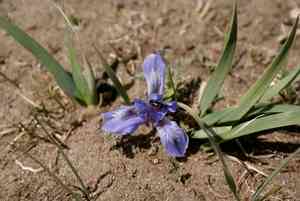
A robust perennial, white-flowered iris flourishes with little upkeep. Promptly remove withered or compromised foliage and faded blossoms to stimulate subsequent flowering and deter self-propagation. For optimal results, cut back the leaves in early spring to foster robust new development. Following its blooming period, a gentle trimming preserves its form and well-being. Performing pruning during spring, summer, or autumn corresponds with white-flowered iris's developmental stages, thereby improving its aesthetic value and averting ailments.
Advantages of Trimming White-flowered Iris?
Advantages of Trimming White-flowered Iris?
Trimming white-flowered iris promotes more robust, vibrant blossoms, encourages strong development, and maintains a tidy, desired shape. It's vital for the plant's health and visual appeal.
Optimal Period for Pruning White-flowered Iris?
Optimal Period for Pruning White-flowered Iris?
Pruning white-flowered iris in late spring allows for the removal of any dead or damaged foliage that may have occurred over winter, thus promoting healthy new growth. Early summer pruning is beneficial because it is after the initial spring growth spurt, ensuring that pruning does not overly stress the plant and helps maintain shape and size. Late fall pruning is effective after white-flowered iris has gone dormant, which minimizes the risk of disease transmission and reduces potential damage to the plant during its vulnerable growth phases. These seasons ensure the plant's energy is directed towards healthy growth and flourishing during the blooming period, while also avoiding any negative impact on flowering, as white-flowered iris typically flowers in spring to early summer.
Tools Required for Pruning White-flowered Iris?
Bypass Pruners
Perfect for making clean cuts on white-flowered iris's delicate stems without crushing the plant tissue.
Garden Scissors
Useful for precise trimming of white-flowered iris's leaves and removal of spent blooms to encourage new growth.
Gloves
Protects the gardener's hands from white-flowered iris's sharp edges and potential skin irritants found in garden settings.
How to Prune White-flowered Iris
Clean tools
Before starting the pruning process for white-flowered iris, ensure all pruning tools are clean and sterilized to prevent the spread of disease.
Diseased leaves
Carefully inspect white-flowered iris and cut off all diseased leaves close to the base, using sharp pruning shears. Dispose of these leaves properly to prevent any disease from spreading in the garden.
Withered leaves
Remove any withered or yellowed leaves from white-flowered iris to maintain the plant's health and appearance. Make the cuts at the base of the leaves, being careful not to damage new growth or iris rhizomes.
Withered flower
After white-flowered iris has finished blooming, snip off any withered flowers near the base of the flower stem. This helps encourage new blooms and prevents the plant from putting energy into seed production.
Cleanup
Clean up all the trimmings from around white-flowered iris to reduce the risk of pests and diseases. Ensure all removed plant material is disposed of away from healthy plants.
Common Pruning Mistakes with White-flowered Iris
Overzealous cutting
Novice gardeners often make the mistake of cutting too much foliage from white-flowered iris, which can stress the plant and inhibit its ability to thrive. Removing too many leaves can reduce its vitality and flowering potential.
Blunt tool usage
Using dull pruning tools can damage white-flowered iris's stems and leaves, leading to ragged cuts that are more susceptible to disease and pest infestation.
Incorrect cut location
Cutting either too close to or too far from the main stem or rhizome can cause damage to white-flowered iris. Cuts made in the wrong location can open the plant to infections or negatively affect its growth pattern.
Pruning live flowers
Some individuals mistakenly trim live flowers during the pruning process, which can reduce white-flowered iris's overall bloom and limit its ornamental value for the season.
Removal of healthy tissue
Over-enthusiastic gardeners might remove healthy tissue, not distinguishing between dead or diseased material and healthy growth. This can hinder the overall vigor and aesthetic of white-flowered iris.
Common Pruning Tips for White-flowered Iris
Sharp instruments
Always use sharp, clean pruning shears or scissors, which will make clean cuts that heal quickly and reduce the risk of disease infection in white-flowered iris.
Dead and diseased material removal
Focus on removing dead, diseased, or damaged foliage and stems. This helps concentrate white-flowered iris's energy on producing robust new growth and flowers.
Cut angle
Make cuts at an angle to prevent water accumulation on the cut surface, which can lead to rot and disease in white-flowered iris.
Post bloom pruning
Although season timing is excluded, it's pertinent to note that pruning should be done promptly after blooming to maintain the shape and size of white-flowered iris without affecting future blooms.
Monitoring plant health
Regularly examine white-flowered iris for signs of disease or stress. Pruning is most effective when combined with overall good plant care, including proper watering, feeding, and situating white-flowered iris in the appropriate growing conditions.



