How to Propagate White-flowered iris?
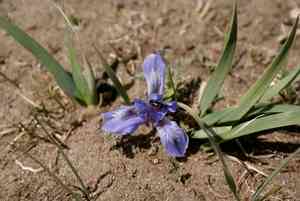
The white-flowered iris can be successfully multiplied by splitting its underground stems. Cultivators ought to carefully detach the rhizomes from established specimens, making sure every segment possesses a portion of the rootstock and several leaves. This technique fosters more rapid rooting and flowering in the following cultivation periods. While the white-flowered iris is robust, ensure proper soil hydration and shield the rhizomes from intense sunlight right after planting to improve successful development.
Optimal Time for White-flowered Iris Propagation
Propagation Method
Utilize The Tubers
Propagation Period
Spring
Tools for White-flowered Iris Propagation
Garden Trowel
A robust garden trowel is vital for excavating and lifting white-flowered iris tubers. Its compact, sharp blade enables precise control when digging around delicate root systems, minimizing damage and ensuring successful extraction of healthy tubers.
Pruning Shears
Pruning shears are employed to trim excess foliage or roots prior to transplanting white-flowered iris tubers. Ensuring a clean cut helps prevent disease and promotes healthier, more vigorous growth post-transplantation.
Horticultural Knife
A horticultural knife is essential for carefully dividing white-flowered iris tubers when necessary. The sharp, fine blade allows for precise cuts, reducing tuber damage and ensuring each section has a viable root system part.
Planting Labels
Planting labels are useful for identifying different white-flowered iris varieties during propagation. This is especially important for maintaining varietal integrity, particularly when propagating multiple types or conducting experimental cultivations.
Rooting Hormone Powder
Applying rooting hormone powder can enhance root development in white-flowered iris tubers. This increases successful transplantation likelihood by encouraging quicker establishment and stronger root growth in the new environment.
Post-Propagation Care for White-flowered Iris
Post-Propagation Care for White-flowered Iris
White-flowered iris thrives in locations offering full sun to partial shade. The soil should drain well yet retain sufficient moisture to prevent drying during hot periods. Regular watering during the growing season ensures optimal growth, but allow soil to dry slightly between waterings to prevent root rot. Fertilizing with a balanced fertilizer at the start of the growing season can promote healthier blooms. Monitor for pests and diseases, and address issues promptly to maintain plant health.
Common Errors to Avoid When Propagating White-flowered Iris
Overwatering
Excessive watering is a common mistake when propagating white-flowered iris, leading to root rot and fungal diseases. This compromises the roots' ability to absorb nutrients effectively, potentially causing the plant's health to decline.
Deep planting
Planting white-flowered iris rhizomes too deeply can impede their ability to sprout. This error often results in poor aeration and excessive moisture around the rhizome, which can cause decay and impair growth.
Ignoring soil conditions
White-flowered iris flourishes in well-draining soil. Disregarding the importance of soil composition and drainage can lead to waterlogged conditions that negatively impact the plant's growth and survival.
Advice for Propagating White-flowered Iris
Appropriate depth
Plant white-flowered iris rhizomes shallowly, with the top barely covered by soil. This encourages better sprouting and aeration, essential for healthy root development and robust growth.
Soil preparation
Prepare a well-draining soil mix, rich in organic matter but not overly fertile, to provide ideal growing conditions for white-flowered iris. Enhanced drainage helps prevent waterlogging and related root issues.
Moderate watering
Water white-flowered iris moderately to maintain slightly moist soil conditions. Avoid overwatering and allow the soil to dry out slightly between watering sessions to promote healthy root function and prevent diseases.



