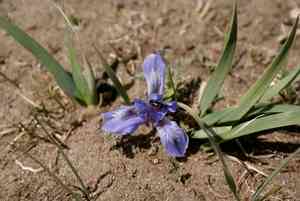
White-flowered iris (Iris lactea)
Also known as: Milky iris
The opium poppy, native to Central Asia, is cultivated as an ornamental plant in temperate regions. The Taliban have banned its cultivation in Afghanistan. In Chinese medicine, its milky sap and seeds are utilized for medicinal purposes.
In This Article
Attributes of White-flowered iris
Lifespan
Perennial
Plant Type
Herb
Plant Height
50 cm
Spread
40 cm
Leaf Color
Bluish-green
Flower Size
5 to 7 cm
Flower Color
White Purple Blue
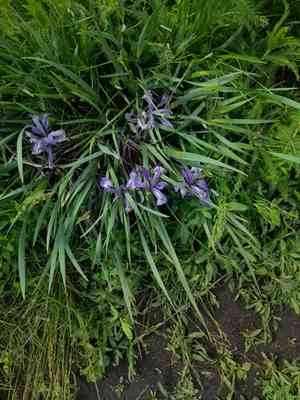
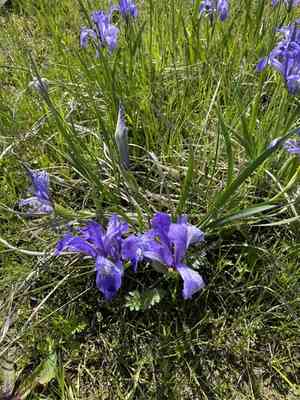
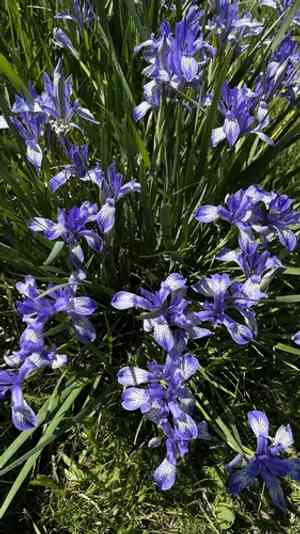
Images of White-flowered iris
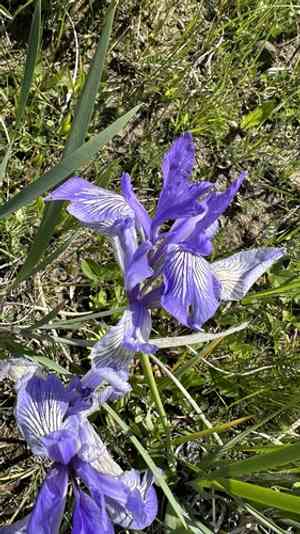
Quickly Identify White-flowered iris
1
Iris lactea can be identified by its narrow, linear leaves that are bluish-green in color, and its flowers which have six petals, spreading in a flat or slightly curved manner. The flowers are generally light blue to violet in color, with a distinctive yellow or white patch at the base.
Scientific Classification of White-flowered iris
Phylum
Vascular plants
Class
Monocotyledons
Order
Asparagus and allies
Family
Iris
Genus
Irises
Species
White-flowered iris
Planting and Growing of White-flowered iris
Care Difficulty
Easy
Watering Schedule
Every 3 days
Sunlight Requirements
Full sun
Sunshine Duration
4-8 hours
Ideal Temperature
59-77℉
Soil Type
Potting Mix, Peat Mix
Soil pH
6.5-7.5
Fertilizer Type
Balanced
Pruning Season
Spring, Summer
Pruning Area
Branches, Leaves
Pruning Frequency
2 times a year
Repotting Season
Spring
Pot Type
Terracotta, Plastic
 How to Water White-flowered iris?
For Iris lactea, the key to watering is ensuring the soil is evenly moist but never waterlogged. This means watering around 500 ml per session, just until water starts draining out of the pot's bottom holes. Too much water can lead to root rot, while too little might dry the plant out, hence why maintaining a balanced moisture level is essential.
What are the symptoms of an underwatered White-flowered iris?
›
What should I do if my White-flowered iris is not getting enough water?
›
What are the symptoms of an overwatered White-flowered iris?
›
How to save an overwatered White-flowered iris?
›
 What Are the Sunlight Requirements for White-flowered iris?
Iris lactea requires 6-8 hours of sunlight daily, preferably full sun or partial sun, to enhance photosynthetic capacity, leading to vigorous growth and flowering.
What is the best lighting condition?
›
How can you achieve the ideal lighting for Iris lactea?
›
What are the benefits of providing ideal lighting conditions?
›
 What Is the Ideal Temperature Range for White-flowered iris?
The optimal temperature range for Iris lactea is between 59°F and 77°F. Within this range, the plant can thrive and exhibit optimal growth and blooming. Maintaining temperatures within this range facilitates nutrient uptake and photosynthesis, which are crucial for plant health.
 What Soil is Best for White-flowered iris?
Iris lactea thrives in well-drained soil conditions, which help prevent root rot and other moisture-related issues. A sandy loam texture ensures proper aeration, facilitating robust root development. While Iris lactea doesn't demand excessive nutrients, moderately fertile soil provides adequate support for its growth cycle. This balance ensures healthy leaf and flower production without overwhelming the plant with unnecessary fertilization. A soil pH between 6.5 and 7.5 is ideal for Iris lactea, allowing it to access essential nutrients effectively. This pH range helps optimize nutrient absorption, ensuring vibrant growth and flowering.
 How to Fertilize White-flowered iris?
Iris lactea requires moderate amounts of fertilizer. Generally, one should apply about 2-3 teaspoons of balanced liquid fertilizer per gallon of water for best results. It's important not to over-fertilize as this can damage the plant.
 How to Prune White-flowered iris?
Start by cutting back any brown, dead, or diseased leaves at the base. This will improve the plant’s appearance and allow the healthy parts to thrive better. After blooming, cut back the flower stalks to the base to redirect the plant’s energy towards root and foliage development, ensuring a stronger bloom in the following season. If the plant has become dense, thin out some of the growth to boost air circulation and sunlight penetration. This helps prevent mold and mildew.
More About Pruning Techniques→
 How to Propagate White-flowered iris plant?
1
Collect seeds from mature Iris lactea plants in late summer. Ensure that the pods are dry and brown and the seeds inside are mature before harvesting them for propagation.
2
Prepare a well-draining, nutrient-rich soil mix. This is crucial for both seed and division propagation, as it supports the initial growth phase and ensures proper root development.
3
In early spring, divide the rhizomes using a sharp spade. Ensure each division has a healthy growth bud and adequate root systems to establish themselves quickly in their new location.
 How to Repot White-flowered iris plant?
1
Iris lactea should be repotted when you notice its growth slowing down, roots emerging from drainage holes, or when the soil compaction is noticeable. Spring and autumn are ideal as the plant experiences less stress in cooler temperatures.
2
Select a pot that is one size larger than the current one, with good drainage holes. A slightly bigger pot allows room for root expansion and prevents waterlogging. Ceramic or terracotta pots are ideal for their breathability.
3
Opt for a well-draining loamy mix with a balanced pH. This kind of soil helps in preventing root rot, offers essential nutrients, and allows water and oxygen to move freely to the roots.
Toxicity
Golden pothos contains a chemical called calcium oxalate, which is mildly toxic to humans if ingested or if the skin comes into significant physical contact with its sap. Ingestion causes mouth and gastrointestinal tract irritation in dogs and severe mouth, tongue, and lip irritation in cats.
WARNING
The judgment on toxicity and danger is for reference only. We DO NOT GUARANTEE any accuracy of such judgment. Therefore, you SHALL NOT rely on such judgment. It is IMPORTANT TO SEEK PROFESSIONAL ADVICE in advance when necessary.
Learn More About White-flowered iris Diseases
Anthracnose
Bacterial Leaf Spot
Bacterial Soft Rot
Bacterial Wilt
Crown Gall
Cyst Nematode
Damping-off
Downy Mildew
Drought Stress
Fusarium Wilt
Gray Mold
Leaf Spot
Mosaic
Nutrient Deficiency
Nutrient Toxicity
Powdery Mildew
Root Rot
Root-knot Nematode
Rusts
Sooty Mold
Spider Mites
Temperature Stress
Thrips Damage
White Mold



