How to Prune Dotted beadfern?
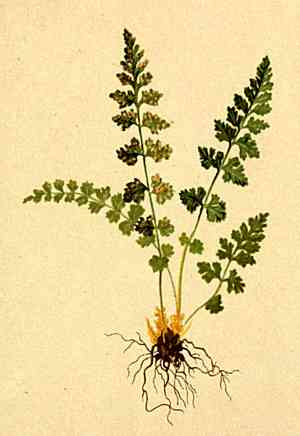
This fern, recognized for its unique speckled leaves, flourishes with infrequent trimming. For dotted beadfern, the removal of withered or compromised fronds is best performed in early spring or late winter to stimulate vigorous, fresh development. Detach aged fronds at their base, taking care to avoid severing newly emerging fiddleheads. Trimming improves air circulation and lowers the likelihood of disease, ensuring dotted beadfern remains strong and visually appealing.
Advantages of Trimming Dotted Beadfern
Advantages of Trimming Dotted Beadfern
Trimming dotted beadfern promotes more vigorous development and helps maintain its desired shape. Regular cutting back allows the plant to direct energy towards producing abundant, healthy leaves.
Optimal Period for Pruning Dotted Beadfern
Optimal Period for Pruning Dotted Beadfern
Pruning dotted beadfern in late winter or early spring, just before the active growth phase begins, supports its vitality and strength. Trimming at this time leverages the plant's dormant state and minimizes stress, as it's not actively channeling resources into growth, flowering, or reproduction. Late winter pruning permits the removal of any dead or damaged fronds resulting from winter conditions, while an early spring trim prepares dotted beadfern for new growth by redirecting its energy to produce fresh, healthy fronds. These periods ensure rapid recovery and lessen the risk of disease or pest infestation, which can be more prevalent if pruning occurs during wet, active growing seasons.
Necessary Tools for Pruning Dotted Beadfern
Sharp Bypass Pruners
These are perfect for making clean cuts on the slender stems of dotted beadfern without crushing plant tissue, which is vital for the plant's recovery and continued development.
Fine-toothed Hand Saw
For thicker fronds or stems too large for bypass pruners, a fine-toothed hand saw enables precise cutting without causing excessive harm to surrounding foliage.
Pruning Scissors
For detailed shaping and the removal of small, dead fronds or leaves, pruning scissors offer precision and can navigate the delicate areas of dotted beadfern without unnecessarily harming healthy parts.
Gloves
Though not a cutting tool, gloves safeguard the gardener's hands from potential irritation when handling dotted beadfern, as some ferns may have irritating sap or rough textures.
Steps to Prune Dotted Beadfern
Sanitize tools
Before pruning, sanitize all cutting implements with alcohol or a bleach solution to prevent disease transmission to or from dotted beadfern.
Diseased leaves
Carefully remove any diseased leaves from dotted beadfern by cutting them at the stem's base. Use sharp, accurate cuts to avoid harming the plant's healthy sections.
Withered leaves
Trim away withered leaves to encourage healthier growth and improve air circulation around dotted beadfern. Cut these leaves back to the nearest healthy stem or leaf node.
Clear debris
Gather and dispose of all removed leaves. Do not compost if the leaves are diseased, as this could spread pathogens in your garden.
Examine plant
After pruning, inspect dotted beadfern to ensure no diseased or withered leaves remain. A thorough inspection helps prevent future health problems.
Common Pruning Errors with Dotted Beadfern
Excessive pruning
Removing too much foliage at once can stress dotted beadfern, hindering its ability to flourish. It's crucial to prune no more than one-third of the plant at a time to prevent shock.
Incorrect cut placement
Cutting too close to the stem or frond base can damage the crown of dotted beadfern, while cutting too far can leave unsightly stubs that may attract pests and diseases.
Using dull implements
Dull pruning tools can cause jagged cuts, crushing dotted beadfern's delicate fronds and increasing the risk of infection.
Ignoring plant health
Pruning without first assessing dotted beadfern's overall health may worsen existing issues. Unhealthy or stressed plants should be allowed to recover before being pruned.
Neglecting tool sanitation
Failing to clean and sanitize pruning tools before and after use can spread pathogens between plants, potentially infecting dotted beadfern.
General Pruning Advice for Dotted Beadfern
Appropriate tool selection
Using sharp, clean scissors or shears ensures precise cuts that heal quickly, which is vital for dotted beadfern's delicate structure.
Understanding growth patterns
Recognizing the growth direction and pattern of dotted beadfern helps determine where to make cuts to promote a desirable shape and size.
Frond trimming
Remove only the damaged or dead fronds by cutting at an angle just above the nearest healthy frond or growth point, taking care not to harm the healthy parts of the plant.
Cleanliness and upkeep
Regularly clean and sanitize pruning tools to prevent disease spread. After pruning, remove all plant debris to discourage pests.
Pruning for revitalization
In cases where dotted beadfern needs rejuvenation, selectively prune older fronds to stimulate new growth while maintaining the plant's natural form.



