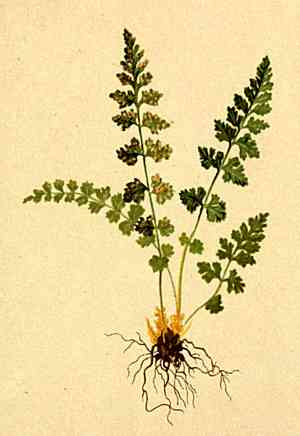
Dotted beadfern (Hypolepis punctata)
Also known as: None
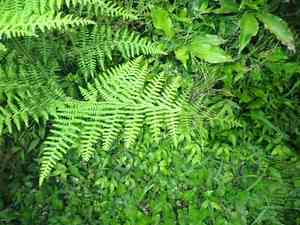
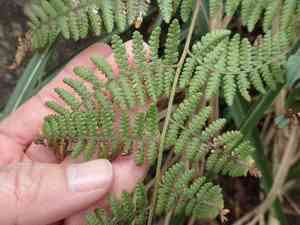
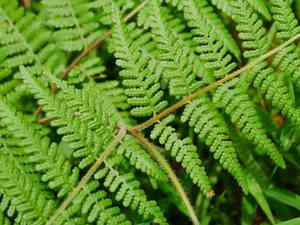
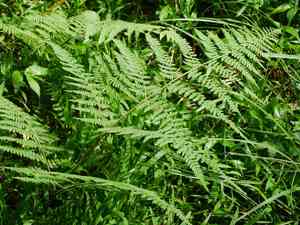
The dotted beadfern (Hypolepis punctata) is a ground fern known for its prominent hairiness, particularly on its stems and emerging fronds. These hairs often have tiny glands at their tips, giving the plant a somewhat sticky feel. It can grow to a substantial size, with fronds that can extend up to 1.5 meters in length. This fern thrives in moist, shaded environments and is recognized by its finely divided fronds and the small, dot-like sori underneath.
In This Article
Attributes of Dotted beadfern
Lifespan
Perennial
Plant Type
Fern
Plant Height
2 m
Spread
Varies widely depending on habitat
Leaf Color
Green
Flower Size
N/A (Ferns do not produce flowers)
Flower Color
N/A (Ferns do not produce flowers)
Images of Dotted beadfern
Quickly Identify Dotted beadfern
1
Hypolepis punctata can be identified by its fronds, which are finely divided and have a characteristic punctate (spotted) appearance on the underside. The stipes (fern stems) are typically covered in fine hairs.
Scientific Classification of Dotted beadfern
Phylum
Vascular plants
Class
Ferns
Order
Polypodiales
Family
Bracken fern
Genus
Beadfern
Species
Dotted beadfern
Planting and Growing of Dotted beadfern
Care Difficulty
Easy
Watering Schedule
Every 4 days
Sunlight Requirements
Partial sun
Sunshine Duration
6-10 hours
Ideal Temperature
60-75℉
Soil Type
Potting Mix, Peat Mix
Soil pH
6.5-7.5
Fertilizer Type
Balanced
Pruning Season
Spring, Summer
Pruning Area
Branches, Leaves
Pruning Frequency
2 times a year
Repotting Season
Spring
Pot Type
Plastic, Ceramic
 How to Water Dotted beadfern?
For Hypolepis punctata, water the plant until the soil is evenly moist but not soggy. The goal is to emulate a gentle rainforest environment, allowing the soil to dry slightly between waterings.
What are the symptoms of an underwatered Dotted beadfern?
›
What should I do if my Dotted beadfern is not getting enough water?
›
What are the symptoms of an overwatered Dotted beadfern?
›
How to save an overwatered Dotted beadfern?
›
 What Are the Sunlight Requirements for Dotted beadfern?
With a preference for partial sun to full shade, Hypolepis punctata benefits from conditions that include filtered light throughout the day. This lighting imitates its natural habitat and supports healthy, vibrant growth.
What type of light does Hypolepis punctata prefer?
›
How can you achieve the perfect lighting condition for Hypolepis punctata?
›
What benefits does Hypolepis punctata gain from ideal lighting?
›
 What Is the Ideal Temperature Range for Dotted beadfern?
For optimal growth, Hypolepis punctata thrives best within a temperature range of 60°F to 75°F. This range ensures that the fern's metabolic and physiological processes are not stressed by excessively high or low temperatures. At these comfortable temperatures, the plant not only grows robustly but also maintains vibrant foliage. Maintaining this range consistently helps in promoting healthy rhizome and frond development.
 What Soil is Best for Dotted beadfern?
Hypolepis punctata thrives in soil that retains moisture well but drains efficiently. This balance prevents root rot while keeping the roots adequately hydrated, promoting healthy growth. This plant requires a nutrient-rich soil to flourish. Loam and peat soils, rich in organic matter, provide essential nutrients that enhance the plant's vigor and foliage. A well-aerated soil is essential for Hypolepis punctata, aiding in gas exchange and root respiration. This characteristic prevents compacted roots, boosting plant vitality and growth.
 How to Fertilize Dotted beadfern?
For Hypolepis punctata, apply liquid fertilizer at half the recommended strength to avoid root burn. It's important to balance the nutrients with a ratio of 10-10-10 NPK, ensuring the plant gets adequate nutrition without overwhelming it.
 How to Prune Dotted beadfern?
Wear gloves to protect your hands from the plant's edges, which can be sharp or irritating. Additionally, protective eyewear prevents accidents from unexpected plant movements during pruning. Avoid pruning during winter when the plant is less active. Pruning during active growth seasons like spring and summer allows for quicker recovery and healthier regrowth, ensuring the plant remains vigorous and lush.
More About Pruning Techniques→
 How to Propagate Dotted beadfern plant?
1
Begin by thoroughly watering the plant a day or two before dividing. This helps reduce stress on the plant and ensures the roots are moist and healthy for division.
2
Carefully dig around the root clump with a spade, ensuring minimal root damage. Gently lift the plant from the ground and separate the clumps with your hands or a knife, ensuring each division has roots and shoots.
3
Immediately plant the divisions into prepared soil at the same depth they were growing initially. Water them well and maintain moisture until they establish.
 How to Repot Dotted beadfern plant?
1
Repot Hypolepis punctata when you see roots growing out of the drainage holes or the plant appears to be growing too slowly despite adequate care. Another signal for repotting is if the soil drains too quickly. These are signs that the plant has outgrown its current pot and needs more room to thrive.
2
Select a pot that is just slightly larger than the current one, with good drainage. This ensures that excess water can escape, preventing root rot. A pot too large may retain excess moisture, harming the roots. A snug fit helps the roots focus on growth without overwhelming them with too much space.
3
Opt for a well-draining, rich organic potting mix. Hypolepis punctata thrives in soil that retains some moisture but doesn’t stay waterlogged. This type of soil encourages healthy root development and prevents issues like root rot, keeping your plant vibrant and flourishing.
Learn More About Dotted beadfern Diseases
Anthracnose
Bacterial Leaf Spot
Bacterial Soft Rot
Bacterial Wilt
Black Spot
Chemical Injury
Cyst Nematode
Damping-off
Downy Mildew
Drought Stress
Fusarium Wilt
Gray Mold
Leaf Curl
Leaf Spot
Mosaic
Nutrient Deficiency
Nutrient Toxicity
Powdery Mildew
Root Rot
Root-knot Nematode
Rusts
Sooty Mold
Spider Mites
Temperature Stress
Thrips Damage
White Mold



