How to Propagate Dotted beadfern?
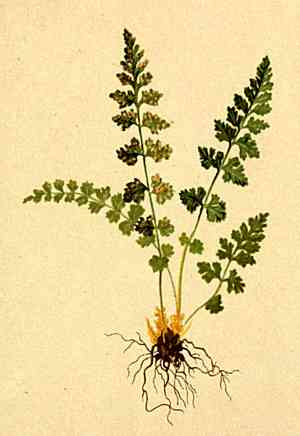
Dotted beadfern flourishes when multiplied via separation, a method well-suited to its developmental patterns. During the division process, verify that every segment possesses sufficient roots and fronds to sustain renewed development. Gently detaching the root systems aids in reducing shock and facilitates more rapid establishment. Place the separated portions in fertile, well-drained substrate, ensuring steady hydration without oversaturation. Locate them in dappled light to replicate their native forest floor environment, thereby optimizing circumstances for robust growth and expansion.
Optimal Time for Dotted Beadfern Propagation
Propagation Method
Division
Propagation Period
Spring,Autumn
Tools for Dotted Beadfern Propagation
Sharp Knife or Garden Scissors
Crucial for making clean cuts through the root system of dotted beadfern during division. A sharp, sanitized blade ensures precise cuts, preventing damage and disease spread, thus promoting faster recovery and growth post-division.
Gardening Gloves
Protects hands when handling dotted beadfern and helps avoid potential irritation from the plant or soil pathogens. Gloves are also beneficial when using sharp tools, creating a safer environment for the propagator.
Sterilizing Agent (e.g., Rubbing Alcohol or Bleach Solution)
Used to sanitize tools before and after propagating dotted beadfern to prevent disease transmission between plants. Clean tools minimize the risk of infecting divided parts with fungi or bacteria, vital for successful propagation.
Potting Mix
A well-draining, nutrient-rich potting mix is ideal for replanting divided dotted beadfern sections. The correct soil environment is essential for root establishment and growth, providing necessary support for the newly propagated plants.
Labels and Waterproof Marker
Important for tracking dotted beadfern divisions, especially when propagating multiple batches or species. Proper labeling aids in monitoring and caring for new plants, ensuring appropriate follow-up actions like watering and fertilizing specific to each plant's needs.
How to Propagate Dotted Beadfern?
Propagation Type
Easy
Caring for Your Newly Propagated Dotted Beadfern
Caring for Your Newly Propagated Dotted Beadfern?
Maintain consistent soil moisture, but allow the top inch to dry slightly between waterings to prevent root diseases. Place dotted beadfern in indirect light with humidity levels typical of a fern habitat to encourage healthy growth. Avoid direct sunlight and dry air. During the growing season, fertilize monthly with a balanced, diluted liquid fertilizer formulated for ferns. Regularly check for pests or diseases and address issues promptly to ensure your dotted beadfern thrives.
Common Mistakes to Avoid When Propagating Dotted Beadfern
Overwatering
Providing dotted beadfern with too much water can lead to root rot, a condition where roots decay. This decay impairs the plant's ability to absorb nutrients, hindering growth and potentially causing plant death.
Insufficient humidity
Failing to maintain adequate humidity around dotted beadfern during propagation can cause fronds to dry out. This dehydration can prevent rooting or lead to the death of the propagules.
Using poor soil mix
Employing a soil mix that drains poorly or lacks sufficient nutrients can severely impact the root development of dotted beadfern. Compacted or low-quality soil restricts root growth and reduces aeration, which is crucial for healthy root systems.
Tips For Propagating Dotted Beadfern
Humidity control
Maintaining a high humidity environment for dotted beadfern is crucial during propagation. Using humidity trays or covers can help create a suitable microclimate that supports frond and root development.
Adequate water management
It's essential to water dotted beadfern moderatelyâensuring the soil is moist but not waterlogged. This balance prevents root rot while providing enough moisture to support new growth.
Appropriate soil composition
Using a light, well-draining soil mix enriched with organic matter can facilitate better root growth for dotted beadfern. A mixture of peat, perlite, and loam often works well, offering both nutrient support and adequate drainage.



