How to Prune Lesser canadian St. John's wort?
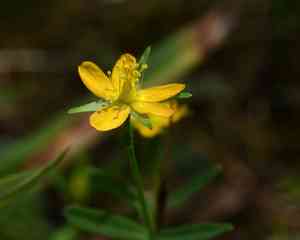
Hypericum canadense, distinguished by its subtle yellow blossoms and compact size, flourishes with limited trimming focused on form and well-being. The best periods for pruning are late spring or early autumn, following the blooming phase, to stimulate development and upkeep. Removing faded flowers in the summer months can additionally encourage a subsequent flowering. Trimming not only preserves an attractive appearance but also averts excessive density and fosters robust development. Consistent pruning guarantees peak health and a splendid floral exhibition.
What Are the Benefits of Pruning Lesser Canadian St. John's Wort?
What Are the Benefits of Pruning Lesser Canadian St. John's Wort?
Trimming lesser canadian St. John's wort encourages robust development and maintains its desired form. Consistent cutting aids in revitalizing the plant, fostering a denser, healthier structure, while eliminating old or overgrown stems improves light penetration and air circulation, vital for its overall well-being.
What Is the Best Time for Pruning Lesser Canadian St. John's Wort?
What Is the Best Time for Pruning Lesser Canadian St. John's Wort?
Pruning lesser canadian St. John's wort in Spring, Summer, and Fall aligns with its active growth periods, promoting strong health and boosting flowering potential. Spring pruning is essential for clearing winter damage and shaping the plant for the upcoming season, ensuring vigor and vitality. During Summer, light pruning helps maintain the desired shape of lesser canadian St. John's wort and manages any excessive growth, which can enhance air circulation and lower disease risk. Fall pruning, though lighter, prepares lesser canadian St. John's wort for winter by removing dead or diseased wood and minimizing potential snow and ice damage. Each pruning session should be done carefully to avoid cutting back too severely, supporting steady growth and blooming in its natural cycle.
What Tools Do I Need to Prune Lesser Canadian St. John's Wort?
Hand Pruners
Perfect for trimming and shaping lesser canadian St. John's wort due to its small to medium-sized stems. Sharp, bypass pruners ensure clean cuts without harming the delicate stems.
Pruning Shears
Useful for cutting denser clumps or older, woodier stems of lesser canadian St. John's wort. Designed to handle slightly thicker stems, offering precise control for shaping.
Gardening Gloves
Crucial for protecting hands from thorns and rough branches while pruning lesser canadian St. John's wort.
How to Prune Lesser Canadian St. John's Wort
Identify
Locate withered or dead leaves on lesser canadian St. John's wort, as these will not contribute to the plant's growth and can detract from its health and appearance.
Prepare tools
Ready your pruning tools by ensuring they are clean and sharp to prevent disease spread and to make precise cuts.
Trimming
Carefully remove the withered leaves at the base near the stem, avoiding damage to healthy stems and leaves.
Dispose
Properly discard the removed withered leaves to prevent any potential disease spread in the garden.
Inspection
Perform a final check to ensure all unwanted leaves have been removed and the overall form of lesser canadian St. John's wort appears healthy and well-shaped.
Common Pruning Mistakes with Lesser Canadian St. John's Wort
Over-pruning
A common error is removing too much foliage, which can stress lesser canadian St. John's wort and hinder its ability to photosynthesize effectively, reducing its overall health and vigor.
Improper tool use
Using dull or unclean pruning tools can cause damage to the stems of lesser canadian St. John's wort, leading to jagged cuts that heal poorly and may attract pests and diseases.
Cutting location
Incorrect cutting near the tips or too close to the node can result in poor regrowth and might damage the plant's natural shape and density.
Neglecting deadheads
Failing to regularly remove dead or faded flowers during the blooming season can prevent lesser canadian St. John's wort from producing new blooms and reduce its aesthetic appeal.
Common Pruning Tips for Lesser Canadian St. John's Wort
Hygienic practices
Always use sharp, clean pruning shears or scissors. Sanitize the tools before use to avoid spreading disease among plants.
Selective thinning
Focus on thinning out crowded areas to improve air circulation and sunlight exposure, which helps maintain a healthy plant and reduces the risk of disease.
Maintenance pruning
Regularly remove dead or diseased stems along with old, faded flowers to encourage new growth and flower production. Make cuts at a 45-degree angle just above a leaf node or bud.
Shaping
Prune lesser canadian St. John's wort to maintain a desirable shape and size according to the landscape design. This not only enhances the aesthetic value but also supports the plant's natural growth pattern.



