How to Propagate Lesser canadian St. John's wort?
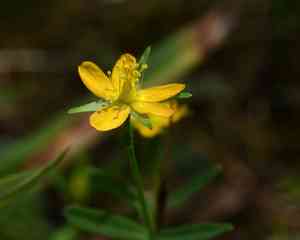
Hypericum canadense 1 flourishes when reproduced through seeding. To achieve the best outcomes, begin with recently harvested seeds, given that their ability to sprout diminishes quickly. Disperse the minute seeds on the surface of a well-aerated, fine soil blend to prevent them from being covered excessively. Ensure continuous dampness and supply ample, diffused illumination to aid in sprouting and early development. Careful handling is essential because of the plant's fragile state in its nascent phases.
What Is the Best Time To Propagate Lesser Canadian St. John's Wort?
Propagation Type
Seed Sowing
Propagation Season
Spring
What Tools Are Used in Lesser Canadian St. John's Wort Propagation?
Seed trays
Seed trays are vital for planting lesser canadian St. John's wort seeds in a controlled setting. They optimize space and resources. Using trays helps maintain proper moisture and manage light, both crucial for germination. Their shallow depth suits the small seeds, aiding even sprouting and root growth.
Fine-grained soil mix
A fine-textured soil mix is essential for successfully planting lesser canadian St. John's wort. Its fine consistency ensures good seed contact, offering support and moisture retention without suffocating the seeds. This soil type promotes better root penetration and growth post-germination, significantly boosting propagation success.
Misting bottle
A misting bottle is key for gently watering lesser canadian St. John's wort seeds. The fine mist moistens the soil adequately without disturbing seeds or causing erosion. Consistent moisture is vital for germination, and a misting bottle provides this without overwatering, which can harm the seeds.
Clear plastic cover
A clear plastic cover over seed trays can greatly enhance humidity and temperature, creating a mini-greenhouse. This environment benefits lesser canadian St. John's wort germination, keeping the air moist and warm. The cover's transparency allows sufficient light, necessary for lesser canadian St. John's wort's early growth.
Labels and markers
Labels and markers aid in identifying and organizing propagation efforts, especially with multiple species. For lesser canadian St. John's wort, which can take weeks to germinate, labels help track progress and specific care needs during initial growth.
How to Propagate Lesser Canadian St. John's Wort?
Propagation Type
Simple
How to Care for Your Newly Propagated Lesser Canadian St. John's Wort?
How to Care for Your Newly Propagated Lesser Canadian St. John's Wort?
After transplanting, water lesser canadian St. John's wort regularly but avoid saturation. Apply mulch around the base to retain moisture and deter weeds. Fertilize sparingly with a balanced, water-soluble product monthly during the growing season. Check for pests and diseases, removing affected foliage promptly. Prune after blooming to maintain shape and encourage new growth.
Common Mistakes to Avoid When Propagating Lesser Canadian St. John's Wort
Overwatering
Excessive moisture can cause root rot and fungal issues in lesser canadian St. John's wort, as it prefers well-drained soil. Overwatering may also hinder root development in young plants.
Deep planting
Planting lesser canadian St. John's wort seeds or cuttings too deep can impede their ability to sprout or root. This species requires light for optimal germination and shallow rooting.
Neglecting humidity control
Failure to maintain consistent humidity during lesser canadian St. John's wort propagation can negatively affect root development and overall growth, particularly for cuttings.
Tips For Propagating Lesser Canadian St. John's Wort
Use of fresh seeds
Since lesser canadian St. John's wort germinates better with fresh seeds, it's best to use recently harvested seeds for propagation to ensure vigorous growth.
Proper seed depth
Ensuring lesser canadian St. John's wort seeds are sown at a shallow depth can improve germination rates, as light exposure is crucial for their development.
Humidity and moisture balance
Maintaining a balanced moisture environment is vital for lesser canadian St. John's Wort. Providing adequate water without creating standing water supports healthy root development, especially for cuttings.



