How to Prune Perfumed spiderlily?
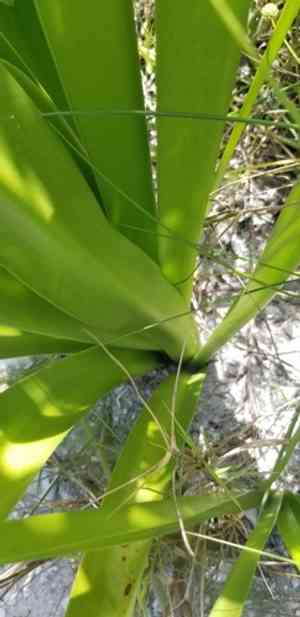
Hymenocallis caribaea is distinguished by its sizable, aromatic blossoms and elongated foliage. Trim Hymenocallis caribaea in the latter part of winter or early spring prior to the emergence of new shoots. Eliminate withered or compromised leaves to sustain the plant's well-being and foster abundant blooming. Refrain from severe pruning, as this could diminish the intensity of its flowers. Consistent, gentle trimming aids in managing its form and overall dimensions. Pruning also enhances air movement, thereby lowering the likelihood of fungal infections. Always employ sanitized, keen implements for accurate incisions.
What Are the Benefits of Pruning Perfumed Spiderlily?
What Are the Benefits of Pruning Perfumed Spiderlily?
Trimming perfumed spiderlily aids in maintaining its desired form, managing its size, promoting robust development, enhancing blooming, and reducing pest and disease threats, thereby encouraging vigorous growth.
What Is the Best Time for Pruning Perfumed Spiderlily?
What Is the Best Time for Pruning Perfumed Spiderlily?
Pruning perfumed spiderlily in early spring and late winter is optimal, as this period precedes its primary growth phase. This timing allows the plant to heal rapidly and direct its energy toward producing new shoots and flowers. By pruning before the active growing season, gardeners can effectively shape perfumed spiderlily without impeding its development, ensuring a healthier and more attractive plant. Additionally, pruning during these seasons minimizes the risk of disease and pest infestations.
What Tools Do I Need to Prune Perfumed Spiderlily?
Bypass Pruners
Perfect for making precise cuts on the smooth, delicate stems of perfumed spiderlily without crushing them.
Snips
Useful for removing spent blooms and light deadheading, providing easy access to fragile areas.
Hand Trowel
Not a pruning tool itself, but crucial for carefully handling the base and roots when removing dead or damaged parts that might impact the plant's health.
Disinfectant Wipes or Solution
Essential for sanitizing tools between cuts to prevent the spread of illnesses.
How to Prune Perfumed Spiderlily
Inspect
Carefully examine the plant for any indications of illness or withered foliage. Use a clean and sharp pair of pruning shears or scissors.
Diseased leaves
Locate any leaves exhibiting signs of disease such as discoloration or spots. Cut these leaves at their base, close to the main stem, to prevent disease propagation.
Withered leaves
Identify dried or brown leaves. Trim these leaves at the base, ensuring you do not harm healthy sections of the plant.
Disposal
Immediately discard the pruned diseased and withered leaves away from the garden area to avoid contamination.
Sanitize
Sanitize your pruning tools before and after the procedure to prevent the spread of pathogens. Use a solution of one part bleach to nine parts water.
Common Pruning Mistakes with Perfumed Spiderlily
Over-pruning
Removing too many leaves or flowers at once can stress perfumed spiderlily, hindering its ability to photosynthesize and recover.
Incorrect cutting technique
Using dull or unsuitable tools can cause jagged cuts, leading to an increased risk of disease and pest infestation.
Pruning while wet
Handling or cutting perfumed spiderlily when the plant is wet can promote the spread of fungal diseases.
Neglecting sanitation
Failing to clean pruning tools before and after use can introduce pathogens to perfumed spiderlily, affecting plant health.
Common Pruning Tips for Perfumed Spiderlily
Use sharp, clean tools
Always use sterilized and sharp pruning shears to make clean cuts and minimize damage to perfumed spiderlily.
Make strategic cuts
Prune to shape the plant and remove dead or damaged leaves and stems. This focuses plant energy on healthy growth.
Prune minimally
Only remove what is necessary. Avoid heavy pruning as perfumed spiderlily does not respond well to severe cuts.
Monitor plant health
Regularly check for signs of disease or pests before and after pruning, ensuring prompt management if needed.
Practice gentle care
Handle perfumed spiderlily gently to avoid breaking the leaves and flowers unnecessarily during pruning.



