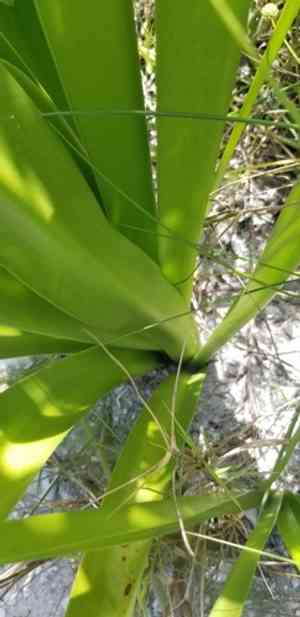
Perfumed spiderlily (Hymenocallis latifolia)
Also known as: Mangrove spider lily, Perfumed spider lily
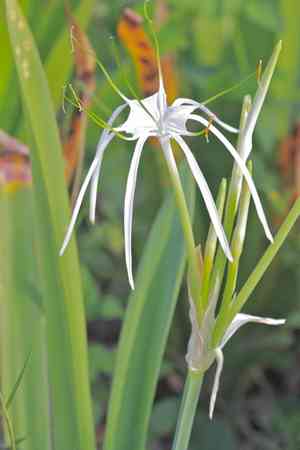
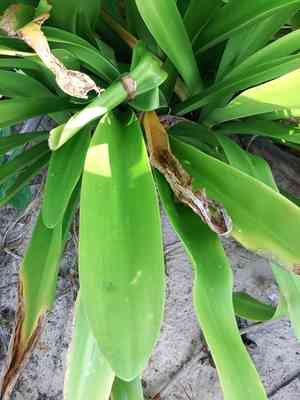
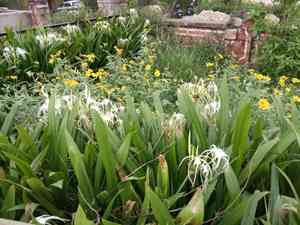
The perfumed spiderlily (Hymenocallis latifolia) is a captivating perennial known for its broad, glossy green leaves that spread out from a central base. Its standout feature is the impressive, white, spider-like flowers with elongated petals extending from a central cup, emitting a delightful fragrance. These blooms are particularly attractive to pollinators and are commonly found in coastal or wetland areas, indicating its preference for moist, well-draining soils. The perfumed spiderlily thrives in warm, tropical climates, making it an excellent addition to gardens in such regions.
In This Article
Attributes of Perfumed spiderlily
Lifespan
Perennial
Plant Type
Herb
Plant Height
30 cm to 91 cm
Spread
90 cm to 1.5 m
Leaf Color
Dark green
Flower Size
10-15 cm (4-6 inches)
Flower Color
White
Images of Perfumed spiderlily

Quickly Identify Perfumed spiderlily
1
Hymenocallis latifolia can be identified by its long, strap-like green leaves and its unique white flowers with a central staminal cup. The flowers have a spider-like appearance due to their elongated, linear petals.
Scientific Classification of Perfumed spiderlily
Phylum
Vascular plants
Class
Monocotyledons
Order
Asparagales
Family
Amaryllis
Genus
insmene
Species
Perfumed spiderlily
Planting and Growing of Perfumed spiderlily
Care Difficulty
Moderate
Watering Schedule
Every 3 days
Sunlight Requirements
Full sun
Sunshine Duration
6-12 hours
Ideal Temperature
70-85℉
Soil Type
Potting Mix, Peat Mix
Soil pH
6.5-7.5
Fertilizer Type
Balanced
Pruning Season
Spring, Summer
Pruning Area
Branches, Leaves
Pruning Frequency
2 times a year
Repotting Season
Spring
Pot Type
Plastic, Ceramic
 How to Water Perfumed spiderlily?
Hymenocallis latifolia prefers to be watered thoroughly until moisture begins to drain from the bottom of the pot, ensuring that the soil is evenly moist but not soggy. It is crucial to allow the top inch of soil to dry out before watering again to prevent root rot and maintain healthy growth.
What are the symptoms of an underwatered Perfumed spiderlily?
›
What should I do if my Perfumed spiderlily is not getting enough water?
›
What are the symptoms of an overwatered Perfumed spiderlily?
›
How to save an overwatered Perfumed spiderlily?
›
 What Are the Sunlight Requirements for Perfumed spiderlily?
Hymenocallis latifolia grows best in environments with full to partial sun, maximizing photosynthesis. Adequate light ensures vibrant blooms and healthy foliage, contributing to overall plant vitality.
Optimal Light Exposure
›
Protect from Overexposure
›
Enhancing Plant Health Through Lighting
›
 What Is the Ideal Temperature Range for Perfumed spiderlily?
Hymenocallis latifolia thrives in warm to hot climates, ideally between 70°F and 85°F. This temperature range provides optimal conditions for growth, flowering, and photosynthesis. Maintaining this range allows for robust health and maximizes the plant's aesthetic and physiological potential.
 What Soil is Best for Perfumed spiderlily?
Hymenocallis latifolia thrives in well-drained soil. This condition ensures that the roots are not waterlogged, preventing root rot. A well-drained environment allows excess water to flow through, keeping the roots healthy and capable of absorbing essential nutrients. A nutrient-rich soil is crucial for the strong growth of Hymenocallis latifolia. Soil rich in organic matter supplies necessary nutrients that fuel the plant's growth, leading to vibrant foliage and healthy blooms. Regular supplementation with compost can maintain this condition. While Hymenocallis latifolia prefers well-drained soil, it also benefits from soil that can retain adequate moisture without becoming soggy. This balance ensures sustained hydration during dry periods, supporting consistent growth and flowering.
 How to Fertilize Perfumed spiderlily?
For Hymenocallis latifolia, apply about half a teaspoon of balanced, water-soluble fertilizer per plant during the growing season. Ensure the fertilizer is diluted to half its recommended strength to avoid nutrient overload. The plant is moderately sensitive to high concentrations, so a balanced approach is crucial.
 How to Prune Perfumed spiderlily?
Begin by sterilizing your pruning shears to prevent disease transmission. Remove any dead or damaged leaves, cutting at their base. Trim away any browning or dried flower stalks to redirect energy to new growth. For shaping, selectively prune overly long leaves that disrupt the plant's symmetry. Always cut just above a leaf node to encourage bushier growth. This keeps the plant looking tidy and balanced.
More About Pruning Techniques→
 How to Propagate Perfumed spiderlily plant?
1
Start by filling the seed tray with a good-quality seed starting mix. The mix should be well-draining to prevent waterlogging, which can hinder seed germination. Lightly moisten the mix before sowing the seeds.
2
Sow the seeds about 1-2 cm deep into the prepared mix. Lightly cover with more starting mix and gently press down to ensure good seed-to-soil contact. Keep the tray in a warm and bright location but out of direct sunlight.
3
Gently dig up the plant and separate the bulbs or offsets. Make sure each division has part of the root system intact. Replant them immediately in fresh soil to prevent root drying and ensure optimal growth conditions.
 How to Repot Perfumed spiderlily plant?
1
Hymenocallis latifolia needs repotting when you notice its roots emerging from the drainage holes or the plant's growth has slowed. Additionally, if you see that the soil doesn't retain moisture well, it's a signal the plant needs a fresh environment with more nutrients.
2
Select a pot that is one to two sizes larger than the current one, with good drainage holes. This allows the roots more space to grow and helps prevent waterlogging, which can cause root rot. A ceramic or clay pot is ideal as they allow the soil to breathe.
3
Opt for a well-draining, sandy soil mix with a bit of organic matter. This combination ensures proper aeration and water flow, preventing damping off and root diseases while supplying essential nutrients for growth.
Toxicity
Ingestion of bulbs or other parts of the plant
WARNING
The judgment on toxicity and danger is for reference only. We DO NOT GUARANTEE any accuracy of such judgment. Therefore, you SHALL NOT rely on such judgment. It is IMPORTANT TO SEEK PROFESSIONAL ADVICE in advance when necessary.
Learn More About Perfumed spiderlily Diseases
Anthracnose
Bacterial Leaf Spot
Bacterial Soft Rot
Bacterial Wilt
Black Spot
Chemical Injury
Crown Gall
Cyst Nematode
Damping-off
Downy Mildew
Drought Stress
Fusarium Wilt
Gray Mold
Leaf Curl
Leaf Spot
Mosaic
Nutrient Deficiency
Nutrient Toxicity
Powdery Mildew
Root Rot
Root-knot Nematode
Rusts
Sooty Mold
Spider Mites
Temperature Stress
Thrips Damage
White Mold



