How to Prune Great Waterleaf?
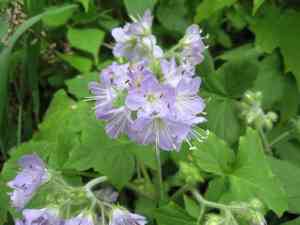
Recognized for its abundant leaves and groupings of campanulate blossoms, great Waterleaf flourishes in areas with limited sunlight. To foster vigorous development and uphold its inherent shape, snip off spent blooms and eliminate any impaired or excessively crowded stalks. Perform trimming in the latter part of spring or early summer following the blooming period to encourage thriving foliage. Refrain from extensive cutting to safeguard its fragile composition. Trimming improves air movement and incites fresh flowering, thereby maximizing the plant's aesthetic value.
What Are the Benefits of Pruning Great Waterleaf?
What Are the Benefits of Pruning Great Waterleaf?
Trimming great Waterleaf fosters robust development and maintains its desired form. Eliminating overgrown or dead foliage enhances air flow and reduces disease risk, promoting a strong structure and vitality.
What Is the Best Time for Pruning Great Waterleaf?
What Is the Best Time for Pruning Great Waterleaf?
The optimal period for pruning or trimming great Waterleaf is during late Spring or early Summer. In late Spring, great Waterleaf has typically finished its initial yearly growth spurt, making it an ideal time to prune without hindering early development. Trimming at this stage will also prepare great Waterleaf for healthier and more vigorous growth throughout the Summer. By early Summer, any frost danger has passed, lessening the chance of frost damage to new growth stimulated by pruning. Pruning in early Summer also allows great Waterleaf time to mend and recover before entering the slower growth phase of late Summer and Fall. Additionally, pruning before great Waterleaf produces seeds can aid in shaping the plant and may prevent unwanted self-seeding. This timing ensures the plant retains vigor, directs energy to the growth of desirable foliage, and promotes stronger health by removing any dead or diseased parts of the plant.
What Tools Do I Need to Prune Great Waterleaf?
Hand Pruners
These implements are perfect for making clean cuts on stems and small branches of great Waterleaf. They are particularly useful for deadheading and shaping the plant. Hand pruners come in two main types: bypass and anvil. For great Waterleaf, bypass pruners are preferred as they create a cleaner cut that is less harmful to plant tissues.
Pruning Shears
For precise tasks such as thinning the foliage of great Waterleaf and removing unwanted side shoots, pruning shears offer the necessary control and sharpness. Their scissor-like design is effective for cutting soft plant material without causing undue damage to the plant.
Gloves
While not a cutting tool, gloves safeguard the gardener's hands from thorns and other sharp elements when pruning great Waterleaf. They also provide a better grip on the pruning tools, thereby increasing accuracy and safety during the pruning process.
Sharpener
To maintain the efficacy of the cutting tools, a sharpener is crucial. Dull blades can harm the stems of great Waterleaf and create jagged wounds that may lead to disease or pest issues. Regular sharpening extends the life of the tools and ensures clean cuts.
How to Prune Great Waterleaf
Sterilize
Before beginning, disinfect your pruning shears with alcohol to prevent spreading diseases to great Waterleaf.
Remove Diseased Leaves
Carefully remove any diseased leaves from great Waterleaf by cutting them at the base of the leaf stem, ensuring not to tear or damage the main stem.
Cut Withered Leaves
Trim back any withered or dead leaves to the stem base on great Waterleaf, which can help promote new growth and improve air circulation.
Trim Diseased Stems
Identify and trim back diseased stems on great Waterleaf, cutting them back to a healthy section or to the base, depending on the extent of disease.
Dispose
Discard all removed material away from great Waterleaf to help prevent any potential disease from spreading in your garden.
Common Pruning Mistakes with Great Waterleaf
Over-Pruning
Gardeners sometimes remove too much foliage or too many stems, which can stress great Waterleaf and hinder its ability to photosynthesize and grow properly.
Improper Cutting Technique
Snipping stems at incorrect angles or using dull tools can result in jagged cuts that leave great Waterleaf vulnerable to pests and diseases.
Pruning Healthy Growth
It's a common error to cut away healthy stems and leaves in an effort to tidy the plant, but this can limit great Waterleaf's lushness and overall health.
Ignoring Plant Shape
Some gardeners prune without considering the natural shape and growth habit of great Waterleaf, which can lead to unbalanced or stunted growth.
Common Pruning Tips for Great Waterleaf
Sanitization
Always use clean, sharp pruning shears to make clean cuts and prevent the spread of diseases to great Waterleaf.
Selective Pruning
Focus on removing dead or damaged foliage, as well as any dense growth to improve air circulation and sunlight exposure for great Waterleaf.
Minimal Pruning
Great Waterleaf typically benefits from a conservative pruning approach that maintains its natural form and promotes healthy blooms.
Pruning For Rejuvenation
If great Waterleaf becomes overgrown, perform rejuvenation pruning by cutting back a third of the oldest stems to ground level to encourage fresh growth and a more vibrant appearance.



