How to Propagate Great Waterleaf?
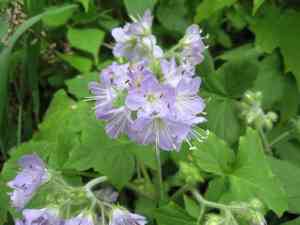
Great Waterleaf flourishes in a garden environment, necessitating a propagation method attuned to its developmental patterns. To achieve successful growth, prioritize seeding, which harmonizes effectively with great Waterleaf's inherent characteristics. Develop a rich growing medium that replicates great Waterleaf's indigenous soil composition, guaranteeing adequate moisture retention without excessive saturation. Disperse the seeds superficially, as great Waterleaf needs illumination for peak germination. Following seeding, sustain consistent soil dampness until the young plants are robust enough for relocation to their permanent cultivation sites.
Optimal Time for Great Waterleaf Propagation
Propagation Method
Seeding
Propagation Period
Spring
Tools for Great Waterleaf Propagation
Seed trays with domes
Seed trays are vital for initiating great Waterleaf seeds in a regulated setting. They facilitate consistent sowing and simple management of soil moisture, which is key for sprouting. Domes aid in sustaining high humidity and stable temperatures, both beneficial for enhancing great Waterleaf germination rates.
Perlite or vermiculite
Either perlite or vermiculite can be blended with soil to enhance aeration and drainage in the seed starting mix. For great Waterleaf, which needs well-drained soil, adding these amendments fosters healthier root growth and prevents waterlogging, which can harm seedlings.
Fine mist spray bottle
A spray bottle that produces a fine mist is perfect for watering delicate great Waterleaf seedlings without causing soil erosion or dislodging seeds. Controlled watering encourages steady growth and minimizes the risk of fungal diseases often linked to excessive moisture on leaves.
Grow lights (optional)
If natural light conditions are insufficient, especially for indoor propagation, grow lights can supply the necessary light spectrum to promote robust growth and development in great Waterleaf seedlings. This is particularly important to prevent seedlings from becoming elongated and weak.
Labeling materials
Labels are essential for tracking the progress and identifying different stages of great Waterleaf seedlings during propagation. Proper labeling prevents confusion, especially when propagating multiple plant species simultaneously, and helps monitor growth and development stages effectively.
How to Propagate Great Waterleaf?
Propagation Type
Simple
Caring for Your Newly Propagated Great Waterleaf
Caring for Your Newly Propagated Great Waterleaf
Once transplanted, water great Waterleaf thoroughly to aid root establishment. Maintain consistently moist but well-drained soil. As great Waterleaf thrives in partial shade, ensure its location receives filtered sunlight. Regularly inspect for pests and diseases, treating them promptly to ensure healthy growth. Mulching around the plants can help retain soil moisture and suppress weeds.
Common Errors to Avoid When Propagating Great Waterleaf
Overwatering
Excessive watering of great Waterleaf can lead to root rot, a condition detrimental to the plant's overall health. It's crucial to maintain a balance, as the name great Waterleaf might misleadingly suggest a high tolerance for very wet conditions.
Deep planting
Planting great Waterleaf seeds or seedlings too deeply can impede their germination and growth. Correct depth is vital for the successful establishment of new plants.
Crowding seedlings
Allowing great Waterleaf seedlings to grow too close together can result in weak, leggy plants. This congestion can also encourage disease due to restricted airflow.
Tips For Propagating Great Waterleaf
Adequate soil moisture
Maintaining consistent soil moisture without waterlogging is crucial for great Waterleaf's root health and overall growth. This balance supports seed germination and root development.
Appropriate planting depth
Seeds and seedlings of great Waterleaf should be planted at a shallow depth, allowing for sufficient light exposure necessary for germination and healthy initial growth.
Spacing seedlings
Ensuring ample space between planted great Waterleaf seedlings promotes healthier growth and reduces the risk of disease. This space allows for better air circulation and access to nutrients.



