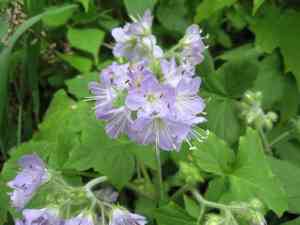
Great Waterleaf (Hydrophyllum appendiculatum)
Also known as: Appendaged Waterleaf
Great Waterleaf (Hydrophyllum appendiculatum) is a perennial that flourishes in rich, moist woodland environments. It typically blooms from spring to summer, producing clusters of lavender, bell-shaped flowers. This plant attracts bees, butterflies, and birds. It prefers partial or dappled shade and moist, well-drained soil. While it can spread quickly, it is easily managed.
In This Article
Attributes of Great Waterleaf
Lifespan
Biennial
Plant Type
Herb
Plant Height
30 cm to 61 cm
Spread
30 cm
Leaf Color
Green
Flower Size
2.5 cm
Flower Color
Purple Lavender
Images of Great Waterleaf
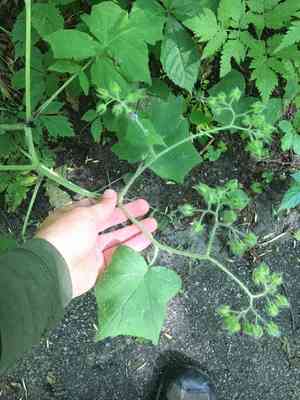
Quickly Identify Great Waterleaf
1
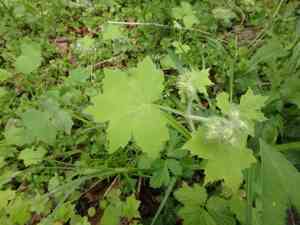
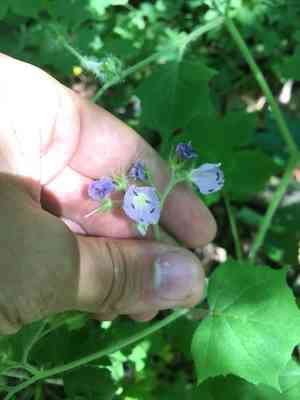
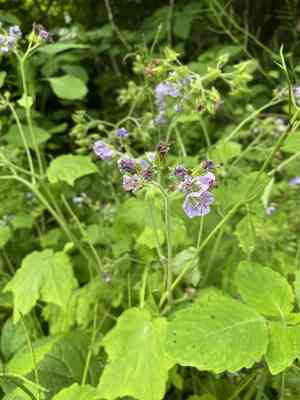
To identify Hydrophyllum appendiculatum, look for its deeply lobed leaves with pronounced appendages at the base. The plant produces clusters of bell-shaped flowers which are usually light violet or white.
Scientific Classification of Great Waterleaf
Phylum
Vascular plants
Class
Dicotyledons
Order
Boraginales
Family
Waterleaf
Genus
Hydrophyllum
Species
Great Waterleaf
Planting and Growing of Great Waterleaf
Care Difficulty
Easy
Watering Schedule
Every 8 days
Sunlight Requirements
Partial sun
Sunshine Duration
6-10 hours
Ideal Temperature
60-75℉
Soil Type
Potting Mix, Peat Mix
Soil pH
6.5-7.5
Fertilizer Type
Balanced
Pruning Season
Spring, Summer
Pruning Area
Branches, Leaves
Pruning Frequency
2 times a year
Repotting Season
Spring
Pot Type
Plastic, Ceramic
 How to Water Great Waterleaf?
When watering Hydrophyllum appendiculatum, be sure to use approximately 250 ml of water per session. This amount keeps the soil consistently moist but not soggy, allowing the plant to thrive in conditions similar to its natural habitat. Be careful to avoid waterlogging, which can suffocate roots.
What are the symptoms of an underwatered Great Waterleaf?
›
What should I do if my Great Waterleaf is not getting enough water?
›
What are the symptoms of an overwatered Great Waterleaf?
›
How to save an overwatered Great Waterleaf?
›
 What Are the Sunlight Requirements for Great Waterleaf?
The ideal light range for Hydrophyllum appendiculatum is partial sun to full shade. Such conditions allow the plant to grow without stress or damage from excessive light. Proper lighting improves foliage density and encourages remarkable blooms.
More About Sunlight Requirements Techniques→
What kind of light does Hydrophyllum appendiculatum need?
›
Where is the best place to grow it?
›
What are the benefits of proper lighting for Hydrophyllum appendiculatum?
›
 What Is the Ideal Temperature Range for Great Waterleaf?
Hydrophyllum appendiculatum thrives best between 60°F to 75°F. This temperature range ensures optimal growth and healthy foliage.
 What Soil is Best for Great Waterleaf?
Hydrophyllum appendiculatum thrives in well-drained soil which prevents root rot and ensures healthy growth. This soil type effectively balances moisture retention and drainage, fostering a happy and robust plant. Keeping the soil consistently moist is crucial for Hydrophyllum appendiculatum. The soil shouldn't dry out completely, as this plant relies on adequate moisture to absorb nutrients and support its lush foliage. A soil rich in organic matter enhances growth by providing essential nutrients. Amending the soil with compost or well-rotted manure can ensure a consistent supply of food for the plant.
 How to Fertilize Great Waterleaf?
Hydrophyllum appendiculatum, commonly known as great waterleaf, benefits from a balanced fertilization approach. Use a balanced 10-10-10 liquid fertilizer at a rate of half a teaspoon per gallon of water. This amount keeps the soil nutrient-rich without overwhelming the plant.
 How to Prune Great Waterleaf?
Begin pruning by inspecting your Hydrophyllum appendiculatum for any dead or diseased stems, and trim these away with sterilized pruning shears to prevent the spread of infection. Next, focus on shaping the plant by cutting back overgrown stems to a pair of healthy leaves, which stimulates bushier growth. Always angle your cuts slightly away from the buds to encourage water runoff. For major shaping, such as removing one-third of the plant at a time for rejuvenation, spread this out over three months to avoid shocking the plant.
More About Pruning Techniques→
 How to Propagate Great Waterleaf plant?
1
Collect the seeds from mature Hydrophyllum appendiculatum plants in late summer. Ensure the seeds are dry and clean before storing them in a cool, dark place until ready for planting.
2
Prepare a seed tray or garden bed with well-draining soil. Enrich it with organic matter to provide nutrients. Ensure the soil is moist but not waterlogged to prevent seed rot.
3
Sow seeds on the surface of the prepared soil and lightly cover them with a thin layer of soil or vermiculite. Water gently to avoid displacing seeds. Keep the soil consistently moist during germination.
4
During early spring, divide mature plants by carefully digging around and lifting the roots. Use a clean, sharp tool to separate the root clumps and replant them immediately in a suitable location.
 How to Repot Great Waterleaf plant?
1
You'll know it's time to repot Hydrophyllum appendiculatum when you see roots beginning to emerge from the drainage holes, or if the plant's growth slows considerably. Another sign is if the soil dries out too quickly, indicating root congestion. Ideally, choose spring or early summer when the plant is in its active growth phase, as this helps minimize repotting shock.
2
Select a pot that's about 2 inches larger in diameter than the current one. It should have ample drainage holes to prevent waterlogging, which can lead to root rot. The added space allows roots to spread and access more nutrients, significantly boosting the plant’s vigor and health.
3
Opt for a well-draining potting mix, preferably one that's light and rich in organic matter. This type of soil ensures that excess water can drain away swiftly, reducing the risk of root rot, while the organic material provides the essential nutrients needed for optimal growth.
Learn More About Great Waterleaf Diseases
Anthracnose
Bacterial Leaf Spot
Bacterial Soft Rot
Bacterial Wilt
Black Spot
Chemical Injury
Crown Gall
Cyst Nematode
Damping-off
Downy Mildew
Drought Stress
Fusarium Wilt
Gray Mold
Leaf Curl
Leaf Spot
Mosaic
Nutrient Deficiency
Nutrient Toxicity
Powdery Mildew
Root Rot
Root-knot Nematode
Rusts
Sooty Mold
Spider Mites
Temperature Stress
Thrips Damage
White Mold



