Enhancing Your Garden Design with the Great Waterleaf Plant: A Landscaping Guide
1
Incorporating Great Waterleaf into your landscape can greatly enhance its ecological variety.
2
Great Waterleaf flourishes under diverse light exposures, offering flexibility for various garden locations.
3
This species offers year-round appeal, as its leaves transform across the seasons.
Introducing Great Waterleaf for Landscaping
Overview of Great Waterleaf and its distinct characteristics
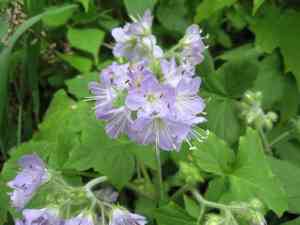
When thinking about incorporating Great Waterleaf into your garden plan, it's vital to grasp the unique traits that distinguish this plant. Renowned for its robust nature, Great Waterleaf showcases abundant, verdant leaves that bring a sense of richness to any outdoor space. Its foliage is broad with a slightly serrated edge, and it frequently displays delicate, bell-shaped flowers that can add subtle charm to your garden from late spring through early summer. This plant is especially valued for its capacity to endure various soil types and its striking appearance, which can stand out in diverse garden environments.
Why consider Great Waterleaf for your garden or yard?
There are several compelling reasons to think about integrating Great Waterleaf into your garden or yard. Primarily, it's a low-maintenance plant, making it perfect for both beginner and seasoned gardeners. It flourishes in moist, well-drained soils and can adapt to both partially shaded and fully shaded locations. Beyond its visual appeal, Great Waterleaf also supports local ecology by attracting pollinators such as bees and butterflies. This makes it not only an aesthetic asset but also a functional one that contributes to a healthier garden ecosystem.
Integrating Great Waterleaf into Your Garden's Design
Choosing the optimal location for Great Waterleaf
Selecting the ideal spot for planting Great Waterleaf is essential to ensure its prosperity and to enhance the overall landscape. This plant prefers areas that receive filtered sunlight or complete shade. Excellent placements include beneath the canopy of larger trees or along shaded garden paths. The soil should be rich in organic matter and retain moisture without becoming waterlogged. By positioning Great Waterleaf correctly, you create a naturally attractive look and maximize its growth potential.
Pairing Great Waterleaf with complementary plants
To achieve a cohesive garden design, it's crucial to pair Great Waterleaf with compatible plants. Consider planting it alongside other shade-loving species like ferns, hostas, and astilbes. These plants share similar growing conditions and will augment the visual texture and depth of your garden. Furthermore, combining Great Waterleaf with flowering perennials that bloom in contrasting colors can create stunning visual differences that capture the eye and highlight Great Waterleaf's distinctive features.
Design concepts: Utilizing Great Waterleaf as a central feature
Employing Great Waterleaf as a focal point in your garden can produce a dramatic visual impact. Plant it in clusters or groups to form a dense, lush green area that immediately draws attention. Another approach is to use Great Waterleaf around garden elements such as fountains, statues, or benches to frame these areas and accentuate their beauty. Its abundant foliage and seasonal blooms make it an excellent choice for establishing a captivating focal point.
Seasonal Considerations for Great Waterleaf
Optimal planting times for Great Waterleaf
The best period to plant Great Waterleaf is during the cooler months of spring or autumn. This allows the plant to establish its root system without the strain of extreme heat. Planting in early spring provides Great Waterleaf with a full growing season to adjust and develop before winter arrives. If you opt to plant in the fall, ensure it's done early enough for the roots to establish before the first frost. These planting times are vital for ensuring Great Waterleaf adapts well to its new environment and flourishes.
How Great Waterleaf adapts throughout the seasons
One of Great Waterleaf's remarkable qualities is its capacity to adapt and transform across different seasons. In spring, it emerges with fresh, vibrant foliage and beautiful blooms. As summer approaches, Great Waterleaf maintains its lush greenery, offering continuous interest. During autumn, its leaves might develop a subtle shift in hue, adding to the garden's seasonal color palette. Although it recedes in winter, Great Waterleaf reliably reappears the following spring, making it a perennial favorite that ensures year-round appeal.
The Aesthetic Benefits of Great Waterleaf
Visual impact of Great Waterleaf in landscape designs
The visual effect of Great Waterleaf in landscape designs should not be underestimated. Its dense foliage and delicate flowers can impart a touch of elegance and natural beauty to any garden. The plant's texture and form can create a visually engaging ground cover in shaded areas, providing a lush and tranquil backdrop to other garden elements. By incorporating Great Waterleaf, you can elevate the overall aesthetic appeal of your landscape, making it a more inviting and picturesque space.
Enhancing color schemes with Great Waterleaf
Great Waterleaf offers the chance to effortlessly enhance your garden's color scheme. Its green foliage complements a wide range of colors, from the deep purples and blues of certain perennials to the bright yellows and whites of summer blooms. Use Great Waterleaf to create a calming, cooler color palette, or contrast it with vibrant flowers to invigorate the space. The versatility of Great Waterleaf in color schemes makes it a valuable addition to any garden aiming for a cohesive and dynamic look.
Eco-Friendly Advantages of Using Great Waterleaf
Great Waterleaf's contribution to biodiversity
Planting Great Waterleaf can significantly boost your garden's biodiversity. As a native species, it offers sustenance and shelter for various local wildlife, including pollinators like bees, butterflies, and insects. By including Great Waterleaf in your landscape, you establish a mini-ecosystem that supports and encourages the presence of beneficial organisms, leading to a more balanced and healthy garden environment.
Water retention benefits of planting Great Waterleaf
Great Waterleaf is particularly advantageous for soil health and water retention. Its robust root system helps stabilize the soil, reducing erosion and holding moisture, which can be especially valuable in drought-prone areas. By improving soil structure and increasing its water-holding capacity, Great Waterleaf plays a vital role in maintaining garden health and sustainability. Adding Great Waterleaf can, therefore, enhance your garden's resilience to extreme weather conditions while promoting a greener, more sustainable landscape.



