How to Prune Smooth rupturewort?
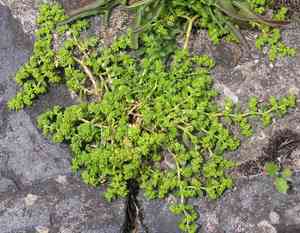
This enduring herbaceous plant, recognized for its thick, mat-like development and tiny green blossoms, needs only slight trimming to preserve its condensed shape. Essential pruning methods involve cutting back deceased or excessively long stems to foster robust development and proper air movement. The most suitable period for pruning is in spring, summer, or autumn, coinciding with the plant's energetic growth phases. Pruning aids smooth rupturewort by stimulating more energetic growth, discouraging unwanted organisms, and averting fungal ailments through enhanced air circulation.
What Are the Benefits of Pruning Smooth Rupturewort?
What Are the Benefits of Pruning Smooth Rupturewort?
Trimming smooth rupturewort promotes robust development and helps preserve its desired form. Strategic cuts can revitalize smooth rupturewort by eliminating dead or overgrown branches, thereby allowing more light and air to reach the plant's core. Regular trimming keeps smooth rupturewort healthy and visually appealing, aligning with the gardener's aesthetic goals.
What Is the Best Time for Pruning Smooth Rupturewort?
What Is the Best Time for Pruning Smooth Rupturewort?
Pruning smooth rupturewort in early spring is optimal as it prepares the plant for new growth following winter dormancy, removing any dead or damaged stems before the growing season begins. Late summer pruning assists in maintaining the shape and managing the size of smooth rupturewort, ensuring cuts have sufficient time to heal before colder months. Furthermore, fall pruning is advantageous after the plant's active growth period concludes, allowing for the removal of excess growth without stressing the plant before winter. These periods ensure smooth rupturewort maintains vigor, peak health, and appearance without disrupting its growth cycle or any potential flowering and seeding phases.
What Tools Do I Need to Prune Smooth Rupturewort?
Hand Pruners
For precise cuts on smooth rupturewort's delicate stems and for removing dead or unwanted foliage.
Garden Scissors
Perfect for snipping fine stems and handling minor trimming tasks for smooth rupturewort.
Pruning Shears
Ideal for shaping smooth rupturewort's growth and managing its spread with clean cuts.
Gloves
To safeguard hands during the trimming process of smooth rupturewort, ensuring cleanliness and safety.
How to Prune Smooth Rupturewort
Clean Tools
Before trimming smooth rupturewort, sanitize all pruning implements like scissors or shears with alcohol or a bleach solution to prevent disease transmission.
Inspect Plant
Carefully examine smooth rupturewort to identify diseased leaves, withered leaves, dead branches, and diseased branches. Look for signs of discoloration, wilting, or unusual spots on foliage and stems.
Trim Diseased Leaves
Using the sterilized tools, carefully remove the diseased leaves from smooth rupturewort, cutting close to the leaf base without harming the stem or adjacent healthy leaves.
Remove Dead Material
Next, eliminate any withered leaves and dead or diseased branches. Make cuts at a slight angle just above a healthy leaf node or lateral branch to encourage growth and allow water to drain from the cut surface.
Clean Up
After trimming smooth rupturewort, gather and dispose of all removed plant material in the trash or compost them if they are not diseased to minimize the risk of disease spread. Clean and sterilize the pruning tools again upon completion.
Common Pruning Mistakes with Smooth Rupturewort
Overpruning
Removing too much foliage can stress smooth rupturewort, leading to stunted growth or even plant demise. This species does not require extensive pruning, so be conservative.
Improper Cutting
Cutting at incorrect angles or using dull tools can result in jagged wounds that are susceptible to disease and may not heal properly.
Neglecting Tool Hygiene
Failure to clean and sterilize pruning tools can introduce pathogens, causing disease in smooth rupturewort.
Pruning At Wrong Time
While the season is not to be discussed, pruning at an inappropriate time within the permissible period may disrupt growth cycles.
Ignoring Plant Shape
Lack of attention to the natural form of smooth rupturewort can result in an unnatural appearance and poor growth patterns.
Excessive Pruning
Pruning too frequently can hinder smooth rupturewort's ability to store energy and recover from the stress of pruning.
Common Pruning Tips for Smooth Rupturewort
Sharp Clean Tools
Always use sharp, clean cutting implements for precise cuts that heal quickly, minimizing harm to smooth rupturewort.
Selective Pruning
Prune selectively, removing only dead or overgrown parts of smooth rupturewort to maintain plant health and encourage new growth.
Shape Maintenance
Trim smooth rupturewort with an eye for preserving its natural, low-growing habit without altering its inherent shape.
Watering Post Pruning
Provide smooth rupturewort with sufficient water after pruning to support recovery and new growth, though avoid overwatering.
Thinning Overgrowth
Thin out dense growth to enhance air circulation, which can help prevent fungal diseases in smooth rupturewort.
Gradual Pruning
For more extensive shaping, prune smooth rupturewort gradually over several seasons to avoid stress and promote healthier growth patterns.



