Enhancing Your Garden Design with the Smooth rupturewort Plant: A Landscaping Guide
1
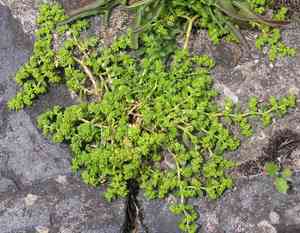
Herniaria glabra is a adaptable plant suitable for diverse garden environments.
2
It offers superb ground cover, lessening soil degradation and inhibiting weed proliferation.
3
Herniaria glabra needs little upkeep, making it ideal for gardeners with limited time.
Introducing Smooth Rupturewort to Your Landscape
Understanding Smooth Rupturewort's Distinctive Qualities
Integrating Smooth Rupturewort into your garden design begins with grasping its unique attributes. This plant is a low-growing, robust species recognized for its small, densely packed leaves. It flourishes in diverse soil types and is particularly noted for its hardiness in challenging environments. Its adaptability makes it perfect for various climate zones, ensuring it's a dependable addition to many gardens.
The Aesthetic Charm of Smooth Rupturewort in Gardens
Smooth Rupturewort provides an attractive element to any garden. Its rich, green foliage forms a lush carpet, elevating the landscape's visual appeal. Unlike some ground covers that may appear sparse or uneven, Smooth Rupturewort grows uniformly, offering a smooth and consistent look. This evenness lends a tidy and refined appearance to garden areas, paths, and edges.
Advantages of Utilizing Smooth Rupturewort for Ground Cover
A primary benefit of employing Smooth Rupturewort in landscaping is its efficacy as a ground cover. It not only fills bare patches but also aids in preventing soil erosion. Its dense growth pattern suppresses weeds, reducing the need for extensive weeding and chemical herbicides. Furthermore, Smooth Rupturewort tolerates light foot traffic, making it a practical option for occasionally traversed areas.
Integrating Smooth Rupturewort into Your Outdoor Space
Selecting the Optimal Site for Smooth Rupturewort
When incorporating Smooth Rupturewort into your landscape, placement is crucial. This plant prefers well-drained soil and can thrive in both sunny and partially shaded spots. However, it performs best with some daily sun exposure. Consider areas needing ground coverage that aren't heavily trafficked, such as along paths, in rock gardens, or beneath trees where grass struggles to grow.
Pairing Smooth Rupturewort with Other Plants
Combining Smooth Rupturewort with other plants can enhance your garden's diversity and beauty. It complements taller perennials and shrubs well, creating a layered and structured appearance. Its low stature allows other plants to stand out while Smooth Rupturewort fills in gaps, providing a green backdrop. Consider pairing it with vibrant flowers or large-leafed plants for a balanced and visually striking contrast.
Design Recommendations for Planting Smooth Rupturewort
To maximize Smooth Rupturewort's visual and practical benefits, consider planting it in groupings or drifts rather than individually. This method helps create a continuous green carpet, enhancing its ground-covering qualities. Also, try integrating it into sloped designs where erosion is a concern. Additionally, use Smooth Rupturewort to highlight pathways or garden beds, forming natural borders that are both attractive and functional.
Care Guidelines for Flourishing Smooth Rupturewort
Watering Practices for Peak Growth
Smooth Rupturewort has minimal watering needs once established. It is drought-tolerant, making it an excellent choice for arid regions. Initially, consistent watering is necessary for establishment. Once mature, occasional watering during prolonged dry spells will suffice. Avoid overwatering, as excessive moisture can lead to root rot.
Sunlight Requirements for Smooth Rupturewort
Smooth Rupturewort thrives with ample sunlight, typically preferring full to partial sun. It's adaptable and can also grow in partly shaded areas, but the foliage will be denser and more vibrant with more sun. Ensure the planting location receives at least a few hours of direct sunlight daily, especially in cooler climates, to promote healthy development.
Managing Seasonal Changes with Smooth Rupturewort
Seasonal shifts can impact Smooth Rupturewort, but it is generally robust and resilient. In colder months, it may die back, but it typically regrows in spring. Mulching around the plants can help protect roots during harsh winter conditions. During the growing season, occasional trimming can help maintain its shape and encourage denser growth. Being mindful of these factors will ensure Smooth Rupturewort remains a vibrant part of your landscape year-round.
Innovative Uses for Smooth Rupturewort in Landscape Features
Crafting Pathways with Smooth Rupturewort Accents
One inventive use for Smooth Rupturewort is integrating it into pathways. Plant it along the edges or between stepping stones for a natural, softening effect. Its low profile won't obstruct walkways, and it can withstand light foot traffic, adding a touch of greenery to otherwise hardscaped areas. This approach creates a harmonious blend of hard and soft elements, enhancing your landscape's overall aesthetic.
Establishing Natural, Low-Maintenance Borders
Using Smooth Rupturewort for garden borders is not only visually appealing but also practical. Its dense growth habit makes it an excellent natural border that helps define garden spaces. It requires minimal upkeep compared to traditional edging materials and provides a soft, continuous line of greenery. This method is perfect for creating a seamless transition between different garden zones or sections.
Creative Concepts for Smooth Rupturewort in Compact Areas
Smooth Rupturewort can be a game-changer for small garden spaces or urban environments where room is limited. Consider using it in container gardens to add a carpet of green beneath taller potted plants. It's also ideal for small rock gardens, where it can fill gaps between rocks and create a cohesive look. This plant's versatility ensures even the smallest gardens can benefit from its lush, green presence.



