How to Prune Coastal sneezeweed?
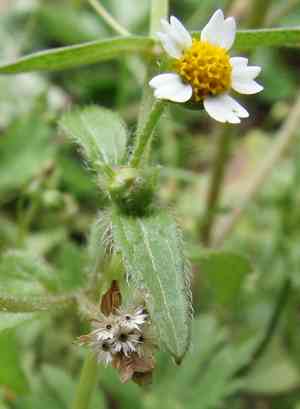
This perennial herb, celebrated for its brilliant yellow flowers, thrives particularly well in seaside settings. To achieve peak development, perform pruning in late winter or early spring to stimulate robust, energetic new stems. Deadhead faded blossoms to prolong the blooming season. Consistent trimming deters sparse growth and fosters a more compact, dense form. Make certain all cuts are precise to prevent illness, and promptly eliminate any impaired or lifeless stalks. Appropriate pruning boosts air movement, lessens problems with pests, and elevates the plant's general well-being.
Advantages of Trimming Coastal Sneezeweed?
Advantages of Trimming Coastal Sneezeweed?
Trimming coastal sneezeweed encourages robust development, manages its dimensions, preserves its form, and boosts blooming. By eliminating lifeless or infected portions, it also aids in warding off pests and illnesses, enhancing the plant's general health and look.
Optimal Period for Trimming Coastal Sneezeweed?
Optimal Period for Trimming Coastal Sneezeweed?
Trimming coastal sneezeweed in late winter or early spring coincides with its dormant phase, thereby reducing plant stress and fostering vigorous new growth once the active season commences. This timing also ensures you don't disrupt the flowering period, allowing coastal sneezeweed to produce its vibrant blossoms unhindered. Pruning during these seasons helps maintain the plant's shape, improves air circulation, and prevents disease.
Necessary Tools for Trimming Coastal Sneezeweed?
Hand Pruners
Crucial for precise cuts on slender stems and branches. Useful for removing spent flowers and deadheading.
Bypass Pruners
Perfect for live green stems, ensuring neat cuts without crushing plant tissue.
Pruning Shears
Beneficial for cutting back larger stems and denser foliage to control the plant's size and shape.
Pruning Saw
For thicker branches that are too sturdy for hand pruners, ensuring a clean cut vital for healthy regrowth.
Gloves
Essential to shield hands from potential irritants and to provide a secure grip on tools.
How to Trim Coastal Sneezeweed
Examination
Start by carefully examining coastal sneezeweed for any indications of disease or wilting on its leaves. Look for discoloration, spots, or any drooping that suggests illness or dehydration.
Tool Preparation
Prepare your trimming tools by ensuring they are sharp and sterilized. Use disinfectant to clean the tools to prevent the spread of disease.
Removal of Diseased Leaves
Identify and cut off any diseased leaves at their base, close to the stem, without harming healthy tissue. Dispose of these leaves away from the plant to avoid contamination.
Removal of Withered Leaves
Similarly, identify withered leaves and trim them away, cutting close to the base to ensure they do not drain nutrients from other parts of the plant.
Tidy Up
After trimming, remove and discard all cut material and sterilize your tools again. This helps maintain a clean environment and prevent any potential spread of disease.
Common Trimming Errors with Coastal Sneezeweed
Excessive Trimming
A frequent error is over-trimming, which can stress the plant and lead to reduced flowering or even plant demise. Cutting more than one-third of the plant at once can be harmful.
Incorrect Cutting Method
Using dull or dirty tools can result in ragged cuts that are susceptible to infection. Additionally, cutting too close to the main stem can harm the plant, making recovery difficult.
Trimming at the Wrong Time
Trimming too early or too late in the season can disrupt the plant's natural growth cycle, potentially leading to fewer blooms and a weakened plant structure.
General Trimming Advice for Coastal Sneezeweed
Utilize Sharp, Clean Tools
Always use sharp and sterilized trimming shears or scissors to make clean cuts. This helps prevent disease and allows the plant to heal more effectively.
Remove Dead or Diseased Wood
Prioritize the removal of any dead, dying, or diseased stems. This will help the plant to dedicate energy to healthy growth and prevent the spread of disease.
Promote Air Circulation
Thin out congested areas to enhance air circulation within the plant. This reduces the risk of fungal infections and encourages stronger growth.
Cut Above a Leaf Node
When trimming, make cuts just above a leaf node or a pair of leaves. This helps direct the plant's energy into new growth from that point.
Progressive Trimming
If extensive trimming is necessary, do it gradually over several seasons rather than all at once. This minimizes stress on the plant and allows it to adapt more comfortably.



