How to Propagate Coastal sneezeweed?
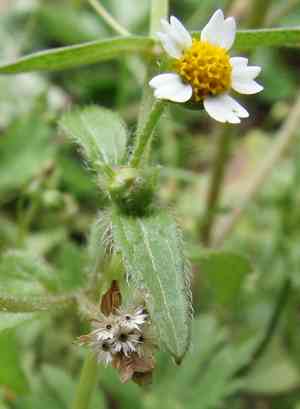
Helenium autumnale var. parviflorum flourishes in damp, adequately drained earth under direct sunlight. Reproduction is generally achieved by seeding, making sure the seeds are lightly veiled. It favors a protected location until sprouting occurs. Sustaining steady hydration without oversaturation is vital. Employing a fine substrate aids in better seed establishment. Consulting botanical recommendations confirms these techniques optimize propagation outcomes.
Optimal Time for Coastal Sneezeweed Propagation
Propagation Method
Seeding
Propagation Period
Spring
Tools Required for Coastal Sneezeweed Propagation
Seed Tray with Drainage Holes
A seed tray with adequate drainage is vital for coastal sneezeweed to prevent water accumulation, which can cause seed decay and poor sprouting. These trays offer a consistent environment for seed germination and initial development.
Seedling Heat Mat
A seedling heat mat assists in maintaining a steady and ideal soil temperature, encouraging quicker and more uniform germination for coastal sneezeweed. This is particularly crucial if ambient temperatures are too low for successful seedling growth.
Humidity Dome
A humidity dome placed over the seed tray aids in creating a moist microenvironment beneficial for seed germination. This ensures that coastal sneezeweed seeds stay damp, promoting faster sprouting and preventing desiccation.
Fine Mist Spray Bottle
A fine mist spray bottle is essential for keeping the soil surface uniformly moist without disturbing or washing away coastal sneezeweed seeds. Consistent moisture distribution is critical for successful seed germination.
Seed-Starting Mix
A premium, sterile seed-starting mix is crucial for coastal sneezeweed. This guarantees a disease-free medium with the correct texture and nutrients to support initial seedling development.
Labels and Markers
Clearly labeling each seed tray with the name and sowing date of coastal sneezeweed helps in tracking germination progress and managing multiple plantings. Accurate records facilitate better care and future planting strategies.
Grow Lights
Grow lights provide sufficient light intensity and spectrum, ensuring that coastal sneezeweed seedlings receive enough light to grow strong and healthy, especially if natural light is insufficient.
Hand Trowel
A hand trowel is used for carefully filling seed trays with soil mix and for the gentle transplanting of seedlings once they are ready to move to larger pots or their final planting location. This minimizes root disturbance and promotes healthy growth.
How to Propagate Coastal Sneezeweed?
Propagation Type
Simple
Caring for Your Newly Propagated Coastal Sneezeweed
Caring for Your Newly Propagated Coastal Sneezeweed
Once seedlings are established, gradually introduce them to outdoor conditions before transplanting. Ensure they are placed in a sunny spot with well-draining soil. Water young plants regularly, especially during dry spells, and apply mulch to retain soil moisture. Monitor for pests and diseases, applying organic treatments as needed to maintain vigorous growth.
Common Mistakes to Avoid When Propagating Coastal Sneezeweed
Overwatering
Excessive moisture can lead to root decay, which can severely impact the plant's health and hinder successful propagation.
Improper Soil Choice
Using soil that is too dense or retains too much moisture can suffocate the roots, leading to poor growth and potential plant failure.
Incorrect Light Exposure
Providing either too much or too little light can stress the plant, affecting its ability to propagate successfully.
Lack of Proper Aeration
Poor air circulation around the propagation area can lead to fungal infections and growth problems.
Ignoring Pest Control
Failure to manage pests can lead to infestations that weaken the plant, impacting growth and propagation results.
Tips For Propagating Coastal Sneezeweed
Moderate Watering
Water the plant sufficiently to keep the soil slightly moist but not waterlogged. This helps prevent root rot and supports healthy growth.
Well-Draining Soil
Utilize a well-draining soil mix to ensure that excess water does not accumulate around the roots, maintaining optimal root health.
Balanced Light
Provide adequate, indirect sunlight to ensure the plant receives enough light for photosynthesis without getting scorched.
Ensuring Proper Aeration
Maintain good airflow around the plant to reduce the risk of fungal infections and improve overall plant vigor.
Regular Monitoring
Inspect the plant regularly for signs of pests and diseases, and address any issues promptly to maintain healthy growth and successful propagation.



