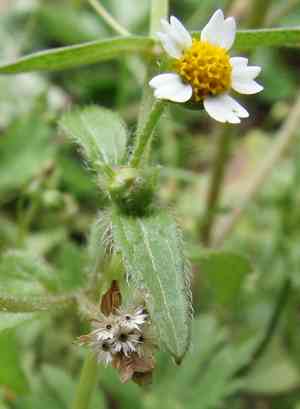
Coastal sneezeweed (Helenium bolanderi)
Also known as: Bolander's sneezeweed
Coastal sneezeweed, a perennial herb thriving along coastlines, is renowned for attracting numerous pollinators, particularly bees. Its genus, Helenium, is believed to honor Helen of Troy. The term "sneezeweed" comes from its historical use as snuff to induce sneezing. It should be noted that ingesting large amounts can be moderately toxic to humans.
In This Article
Attributes of Coastal sneezeweed
Lifespan
Perennial
Plant Type
Herb
Plant Height
30 cm to 1.5 m
Spread
0.5 to 1 meter (1.6 to 3.3 feet)
Leaf Color
Green
Flower Size
3 to 5 centimeters (1.2 to 2 inches)
Flower Color
Yellow
Images of Coastal sneezeweed

Quickly Identify Coastal sneezeweed
1
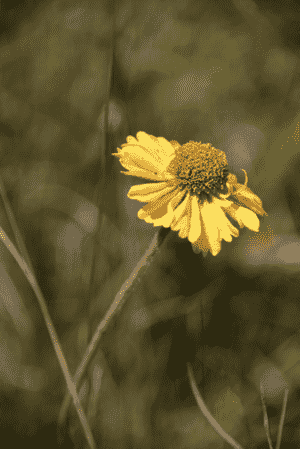
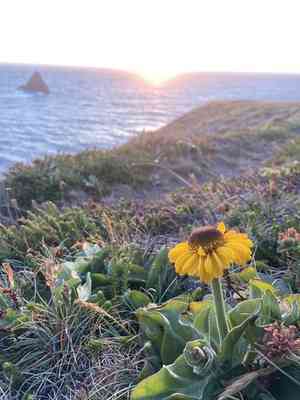
Identify Helenium bolanderi by its bright yellow, daisy-like flowers with a prominent central disc. The plant typically has a branching structure with alternating leaves and grows in wetland regions.
Scientific Classification of Coastal sneezeweed
Phylum
Vascular plants
Class
Dicotyledons
Order
Asterales
Family
Daisy
Genus
Sneezeweeds
Species
Coastal sneezeweed
Planting and Growing of Coastal sneezeweed
Care Difficulty
Moderate
Watering Schedule
Every 4 days
Sunlight Requirements
Full sun
Sunshine Duration
4-8 hours
Ideal Temperature
65-75℉
Soil Type
Potting Mix, Peat Mix
Soil pH
6.5-7.5
Fertilizer Type
Balanced
Pruning Season
Spring, Summer
Pruning Area
Branches, Leaves
Pruning Frequency
2 times a year
Repotting Season
Spring
Pot Type
Plastic, Ceramic
 How to Water Coastal sneezeweed?
For Helenium bolanderi, the watering rule of thumb is to provide approximately 500 ml per session. You want to water until the soil feels moist but not overly saturated. Ensure the water penetrates deeply, reaching the roots without making the soil wet to the touch for extended periods.
What are the symptoms of an underwatered Coastal sneezeweed?
›
What should I do if my Coastal sneezeweed is not getting enough water?
›
What are the symptoms of an overwatered Coastal sneezeweed?
›
How to save an overwatered Coastal sneezeweed?
›
 What Are the Sunlight Requirements for Coastal sneezeweed?
Full sun exposure is vital for Helenium bolanderi, providing the energy needed for maximum photosynthesis, brilliant blooms, and healthy growth. Proper sunlight ensures vibrant, well-structured plants with abundant flowering.
Question 1: What is the best lighting condition for Helenium bolanderi?
›
Question 2: What are the solutions for achieving ideal lighting for this plant?
›
Question 3: What benefits does the plant experience from ideal lighting?
›
 What Is the Ideal Temperature Range for Coastal sneezeweed?
The ideal temperature range for growing Helenium bolanderi is between 65°F and 75°F. These conditions provide a balanced environment that mimics the natural habitat of the plant. Maintaining this temperature range ensures optimal growth and flowering, leading to robust plant health and vibrant blooms.
 What Soil is Best for Coastal sneezeweed?
Helenium bolanderi thrives best in well-drained soils, which prevent waterlogging that could lead to root rot. Ensuring good drainage promotes strong root development and overall plant health. This plant prefers soils with moderate nutrient levels. A balanced supply of essential nutrients facilitates robust flowering and maintains vibrant foliage. While drought tolerant, consistent moisture provides a stable environment that enhances flowering. It's crucial during the growing season to maintain consistent soil moisture without saturation.
 How to Fertilize Coastal sneezeweed?
For Helenium bolanderi, use approximately 1 teaspoon of balanced liquid fertilizer per gallon of water for liquid feeding. For slow-release granules, apply 1-2 tablespoons around the base of the plant, ensuring it is evenly distributed.
 How to Prune Coastal sneezeweed?
Begin by removing faded and dead flowers throughout the growing season. This encourages the plant to continue blooming and maintains a neat appearance. Gently trim back overgrown stems to shape the plant. Cut just above a node or leaf set to ensure optimal growth; avoid removing more than one-third of the plant at any one time to prevent shock. Eliminate any branches that are crossing or rubbing against each other to reduce stress and improve air circulation, which helps prevent fungal infections.
More About Pruning Techniques→
 How to Propagate Coastal sneezeweed plant?
1
Begin by collecting mature seeds from an existing Helenium bolanderi plant. Clean the seeds by removing any plant debris and let them dry completely before planting.
2
Select a healthy stem from the parent plant, making sure it's free from disease. Cut a 4-6 inch section just below a node, ensuring the cutting is robust and green.
3
For division, carefully dig up the plant during the dormant season. Split the root ball into sections, ensuring each division has healthy roots and shoots for successful transplantation.
 How to Repot Coastal sneezeweed plant?
1
Helenium bolanderi should be repotted when you notice roots escaping through drainage holes or the plant appears top-heavy. Another sign is stunted growth despite adequate care, indicating space or nutrient constraints. Ideally, assess these indicators early in spring or autumn, ensuring minimal stress during active growth periods.
2
Select a pot that's 1-2 inches larger in diameter than the current one to allow root expansion. Choose a pot with good drainage to prevent waterlogging, which can lead to root rot. A slightly heavier pot can also provide stability, especially for taller plants prone to tipping.
3
Opt for a well-draining potting mix, enriched with organic matter to support healthy growth. This type provides a balanced environment with adequate moisture retention without becoming waterlogged, thus promoting strong root development and preventing root rot.
Toxicity
Ingestion
WARNING
The judgment on toxicity and danger is for reference only. We DO NOT GUARANTEE any accuracy of such judgment. Therefore, you SHALL NOT rely on such judgment. It is IMPORTANT TO SEEK PROFESSIONAL ADVICE in advance when necessary.
Learn More About Coastal sneezeweed Diseases
Anthracnose
Bacterial Leaf Spot
Bacterial Soft Rot
Bacterial Wilt
Black Spot
Chemical Injury
Crown Gall
Cyst Nematode
Damping-off
Downy Mildew
Drought Stress
Fusarium Wilt
Gray Mold
Leaf Curl
Leaf Spot
Mosaic
Nutrient Deficiency
Nutrient Toxicity
Powdery Mildew
Root Rot
Root-knot Nematode
Rusts
Sooty Mold
Spider Mites
Temperature Stress
Thrips Damage
White Mold



