How to Prune Bloodwoodtree?
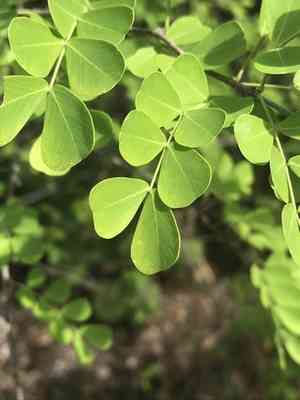
Originating in Central America, bloodwoodtree is celebrated for its dense timber and pigment-yielding properties. Trimming ought to concentrate on eliminating lifeless or ailing limbs to foster vigorous development and preserve its form. The most suitable time for pruning is in winter, while the plant is inactive, to lessen strain and the outflow of sap. Prompt pruning guarantees strong vitality and boosts blooming, with particular attention paid to executing precise cuts to avert harm. Refrain from extensive pruning, as it can result in fragile, elongated growth in this particular species.
What Are the Benefits of Pruning Bloodwoodtree?
What Are the Benefits of Pruning Bloodwoodtree?
Trimming bloodwoodtree encourages robust development and helps maintain its desired form. Strategic cutting promotes new, healthy limbs and foliage, boosting the bloodwoodtree's overall vigor and decorative appeal.
What Is the Best Time for Pruning Bloodwoodtree?
What Is the Best Time for Pruning Bloodwoodtree?
Pruning bloodwoodtree during the Winter season aligns with its dormant phase. At this time, bloodwoodtree experiences a natural growth pause, making it less energetically taxing to heal pruning wounds. Dormant season pruning lowers the risk of pest and disease infestation, as many pests and pathogens are less active in cold weather. Furthermore, the absence of leaves offers a clearer view of the plant's structure, allowing for more precise and strategic cuts to maintain plant health and shape. It also optimizes the plant's vigor and prepares it for strong growth in the spring. This timing can help ensure better blooming or fruiting in subsequent seasons, as it aids in removing dead or diseased wood, promoting better air circulation, and allowing more sunlight to penetrate the plant's interior.
What Tools Do I Need to Prune Bloodwoodtree?
Hand Pruners
Hand pruners are ideal for trimming small branches and twigs of bloodwoodtree. They deliver clean cuts that help prevent disease and pest issues.
Lopping Shears
For larger branches that hand pruners cannot manage, lopping shears can be employed. Their long handles provide leverage, making cutting thicker branches easier and more efficient.
Pruning Saw
A pruning saw is essential for branches too large for loppers. A pruning saw allows for accurate cuts on the thicker branches of bloodwoodtree, ensuring minimal damage to the tree.
Pole Pruner
When dealing with higher branches of bloodwoodtree, a pole pruner can be utilized to reach and trim without needing a ladder, making the process safer and more effective.
How to Prune Bloodwoodtree
Sanitation
Before pruning bloodwoodtree, sanitize pruning tools using a solution of 1 part bleach to 9 parts water to prevent disease spread.
Dead Branches
Carefully identify and remove dead branches by cutting just above a healthy bud, branch intersection, or trunk, avoiding damage to the collar.
Diseased Branches
Identify and trim away diseased branches by making clean cuts well below affected areas to eliminate potential infection sources.
Clean Cut
Make angled cuts to prevent water accumulation on cut surfaces. Clean cuts help bloodwoodtree heal more effectively and quickly, reducing disease risk.
Disposal
Dispose of removed dead and diseased branches far from bloodwoodtree to minimize reinfection risk or the spread of pests attracted to debris.
Common Pruning Mistakes with Bloodwoodtree
Overpruning
Removing too much foliage from bloodwoodtree can significantly weaken the plant. Inexperienced gardeners often make the error of excessive pruning, which can lead to reduced growth and a diminished ability to photosynthesize.
Improper Cut Sites
Cutting bloodwoodtree in the wrong spot can lead to damage, making the plant more vulnerable to disease or pests. It's important to cut just above leaf nodes and avoid tearing bark or leaving stubs.
Ignoring Deadwood
Failing to remove dead or diseased branches can hinder bloodwoodtree's growth and health. This oversight is a common error, as these limbs can harbor pests and diseases that may spread to healthy parts of the plant.
Pruning Without Disinfecting
Using unsterilized tools can introduce pathogens to bloodwoodtree. Both new and experienced gardeners must remember to disinfect their tools before and after use to prevent disease spread.
Neglecting Tool Maintenance
Using dull tools can cause unnecessary damage to bloodwoodtree's branches, leaving jagged edges that impede proper healing. Sharp, clean cuts are essential for the plant's health and appearance.
Common Pruning Tips for Bloodwoodtree
Selective Pruning
Focus on removing only the necessary parts of bloodwoodtree, such as dead, damaged, or diseased wood, as well as any branches that are crossing or growing inward. This approach encourages better air circulation and light penetration, which are vital for the plant's health and appearance.
Consider Plant Architecture
Understanding the natural shape of bloodwoodtree is crucial. Pruning should complement the plant's natural architecture, helping to maintain its structural integrity while enhancing its aesthetic form.
Gradual Pruning
If a significant reduction is needed, it's better to spread the pruning over several seasons. This prevents the shock that bloodwoodtree might experience from drastic shortening of its branches in one go.
Promoting Blooms
For bloodwoodtree, which may flower, prune just enough to stimulate growth while being careful not to remove too many flowering sites. This balance is key to ensuring lush blooms in the flowering season.
Tool Selection
Make sure to use the correct tools for the job, such as secateurs for smaller branches and loppers for thicker ones. Good quality tools that are suited to the task will make pruning bloodwoodtree easier and more effective.



