Enhancing Your Garden Design with the Bloodwoodtree Plant: A Landscaping Guide
1
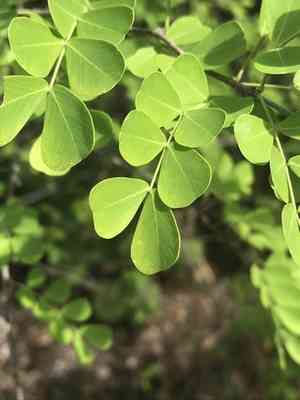
The Bloodwoodtree exhibits remarkable aesthetic qualities that make it a focal point in any landscape.
2
Strategic positioning and complementary plant choices can improve your garden's ecosystem and visual appeal.
3
Yearly maintenance is crucial for preserving the vigor and brilliance of the Bloodwoodtree.
Introducing Bloodwoodtree in Garden Design
Explore the distinct features of Bloodwoodtree that make it perfect for garden and outdoor designs.
For distinctive trees in your landscape, Bloodwoodtree stands out with its vivid appearance and intricate textures. This tree showcases deep red tones and extensive branch formations that can enrich any garden. Its striking bark and bright leaves create a naturally appealing focal point in outdoor areas. Whether you're aiming for a lush, tropical feel or a more structured garden layout, Bloodwoodtree offers adaptable aesthetic possibilities.
Examine the visual impact of Bloodwoodtree's notable characteristics within a landscape.
Bloodwoodtree's visual appeal goes beyond its unique coloring and branching. The tree's foliage casts intriguing shadows and provides filtered light, making it ideal for creating tranquil garden nooks or dramatic central plantings. Its distinctive look makes Bloodwoodtree an excellent choice for adding visual interest and contrast in mixed plantings and modern garden designs.
Selecting the Optimal Site for Bloodwoodtree
Considerations for choosing a suitable location for Bloodwoodtree in your garden.
Avid gardeners should first evaluate the sunlight and soil conditions in their garden. Bloodwoodtree thrives in spots where it receives ample sunlight, though it can also tolerate partial shade. Ensure the soil drains well to prevent root rot, but is fertile enough to support its growth. Account for the tree's mature size to prevent overcrowding and allocate sufficient space for its expansive canopy.
How to use Bloodwoodtree to enhance garden aesthetics based on its placement.
Strategically positioning Bloodwoodtree in your landscape can significantly boost its visual impact. Placing it along pathways or at garden entrances can create a welcoming, visually captivating feature. Additionally, using Bloodwoodtree as a backdrop for smaller shrubs or flowers can highlight contrasting foliage and amplify the structure of your garden design.
Companion Planting with Bloodwoodtree
Ideal companion plants for Bloodwoodtree that boost biodiversity.
Companion planting is an excellent method to enhance garden biodiversity. Ideally, pair Bloodwoodtree with plants that benefit from or complement its presence. Suitable companions include understory plants like ferns or ornamental grasses, which thrive in the dappled shade Bloodwoodtree provides. Additionally, flowering perennials such as marigolds and lavender can enrich visual diversity and attract beneficial insects.
Advantages of companion planting alongside Bloodwoodtree for ecological balance.
Companion planting with Bloodwoodtree can establish a balanced ecosystem in your garden. Incorporating a variety of plants ensures different root depths and nutrient uptake rates, reducing soil depletion. Furthermore, diverse plantings can naturally deter pests and lessen the need for chemical interventions. This ecological synergy promotes a healthier garden environment.
Seasonal Care for Bloodwoodtree
Essential seasonal maintenance tips for Bloodwoodtree to flourish.
Proper seasonal care is vital for Bloodwoodtree's health. In spring, ensure the tree is well-watered but avoid waterlogging. Summer requires regular pruning to maintain its shape and remove any dead or diseased branches. Fall is a good time to apply organic mulch to retain soil moisture, and in winter, protecting the tree from frost with burlap wrapping or anti-frost sprays can be beneficial.
Understand how changing seasons affect Bloodwoodtree and how to mitigate these impacts.
Bloodwoodtree undergoes visible changes throughout the seasons, such as shifts in foliage color. To mitigate any adverse effects, adjust watering schedules according to the season. For instance, reduce winter watering to prevent root rot. Mulching in the fall can insulate roots from temperature fluctuations, and timely pruning helps manage growth spurts in spring and summer.
Long-Term Care and Development of Bloodwoodtree
Overview of growth patterns: What to anticipate as Bloodwoodtree matures.
As Bloodwoodtree matures, it will develop a more extensive canopy and a deeper root system. You can expect a steady increase in height annually, and the vibrant foliage will become denser, adding more depth to your landscape. Understanding these growth patterns can aid in planning long-term garden designs and maintenance schedules.
Best practices for ensuring the health and longevity of Bloodwoodtree in your landscape.
Ensuring Bloodwoodtree's health involves consistent care practices. Regularly check for signs of pests or diseases and address them promptly. Fertilize the tree during its active growing season with balanced, slow-release fertilizers. Maintaining appropriate watering routines and mulching can significantly enhance its longevity and overall health. Regular pruning will not only keep Bloodwoodtree looking its best but also promote its robust growth.



