How to Propagate Bloodwoodtree?
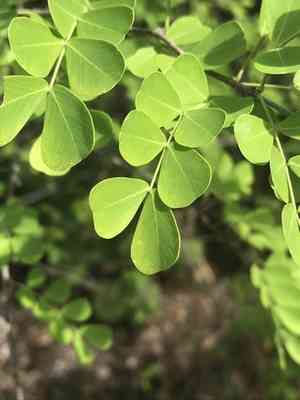
As a member of a botanical group recognized for its vivid core wood, bloodwoodtree can be effectively reproduced via cuttings. This technique leverages the plant's inherent ability to generate new root structures from established, robust stems. Cultivators ought to choose semi-hardened wood segments, making sure they possess several leaf nodes, and apply rooting stimulant to the severed ends to encourage proliferation. Cultivating in a porous soil blend and sustaining steady hydration without oversaturation fosters ideal root formation.
What Is the Best Time To Propagate Bloodwoodtree?
Propagation Type
Cutting
Propagation Season
Autumn,Winter
What Tools Are Used in Bloodwoodtree Propagation?
Sharp Pruning Shears
Crucial for making clean, precise cuts from bloodwoodtree, these shears minimize harm to the parent plant and the cutting itself. A clean cut improves the cuttingâs chances of rooting and developing into a healthy new plant by lowering infection risk and ensuring quick healing.
Rooting Hormone
This chemical compound promotes root development from bloodwoodtree cuttings. Applying rooting hormone to the cut end of a cutting accelerates root formation and boosts the success rate of propagation. It's especially helpful for hardwood cuttings of bloodwoodtree, which might otherwise root slowly or with difficulty.
Sterilized Potting Mix
A high-quality, sterile potting medium offers a clean, controlled environment for bloodwoodtree cuttings to root. This decreases the likelihood of soil-borne diseases affecting the new plants. The mix should drain well yet retain sufficient moisture to support root growth without causing rot.
Propagation Trays or Pots
These containers hold the potting mix and support the cuttings as they root. Using individual pots can be advantageous for bloodwoodtree, allowing easier monitoring and care for each cutting without disturbance, which is vital for maintaining the health of delicate new roots.
Plastic Covers or Humidity Domes
Maintaining a high humidity level around bloodwoodtree cuttings is essential for preventing moisture loss through the leaves. A plastic cover or humidity dome over the propagation tray or pot helps retain moisture and warmth, crucial for encouraging root development and preventing the cuttings from drying out.
Heat Mats
Placed beneath propagation trays or pots, heat mats gently warm the soil, which can significantly enhance the rooting process for bloodwoodtree. This consistent bottom heat supports better root growth and overall development, especially beneficial in cooler conditions.
How to Propagate Bloodwoodtree?
Propagation Type
Moderately Difficult
How to Care for Your Newly Propagated Bloodwoodtree?
How to Care for Your Newly Propagated Bloodwoodtree?
Once bloodwoodtree cuttings have established roots and show new growth, gradually acclimate them to their new surroundings. Transplant into larger containers or their permanent spot under partial shade until they become more robust. Regular watering is crucial, especially during dry spells, but avoid waterlogging to prevent root rot. Providing a balanced fertilizer can encourage healthier growth. Annual pruning will help maintain shape and promote branching.
Common Mistakes to Avoid When Propagating Bloodwoodtree
Overwatering
Propagating bloodwoodtree requires moderate moisture. Excessive watering can lead to root rot and fungal diseases, significantly hindering the plant's ability to establish and grow.
Inadequate light
Bloodwoodtree needs sufficient sunlight for optimal development. Insufficient light during propagation can weaken seedlings, making them leggy and fragile, which reduces their survival rate.
Using non-sterile tools
Using unsterilized tools for cutting or transplanting parts of bloodwoodtree can introduce pathogens, leading to infections. Such infections can kill young plants or severely stunt their growth.
Ignoring soil pH
Bloodwoodtree thrives in slightly acidic to neutral soil. Disregarding the soil pH can result in poor nutrient absorption and weak growth, as well as increased susceptibility to diseases.
Tips For Propagating Bloodwoodtree
Use semi-hardwood cuttings
Bloodwoodtree propagates well from semi-hardwood cuttings. Use healthy, disease-free branches, cut during a growth phase, and treat with rooting hormones to enhance root development.
Proper soil preparation
Prepare a well-draining potting mix with a slightly acidic to neutral pH, suited to bloodwoodtree's needs. This ensures that the soil environment supports root growth and reduces the risk of diseases.
Adequate sunlight
Ensure that bloodwoodtree receives ample sunlight. Sufficient light is crucial for the synthesis of essential nutrients which support the overall growth and health of the plant.
Maintaining humidity
Maintaining a consistent level of humidity around bloodwoodtree during propagation helps prevent the cuttings from drying out. Use a humidity dome or regularly mist the plants to sustain appropriate moisture levels.



