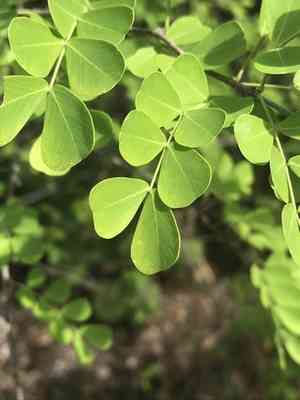
Bloodwoodtree (Haematoxylum campechianum)
Also known as: Campeche wood, Longwood
The Logwood tree (Haematoxylum campechianum) is a dense hardwood tree native to Central America. Historically, its heartwood was highly prized for producing a rich dye used in textiles. During the 1700s, pirates frequently attacked ships carrying this valuable wood to Europe.
In This Article
Attributes of Bloodwoodtree
Lifespan
Perennial
Plant Type
Tree, Shrub
Plant Height
3.5 m to 4.5 m
Spread
1.5 m
Leaf Color
Green
Flower Size
5 cm to 20 cm
Flower Color
Yellow
Images of Bloodwoodtree
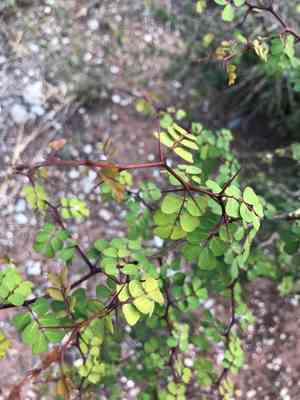
Quickly Identify Bloodwoodtree
1
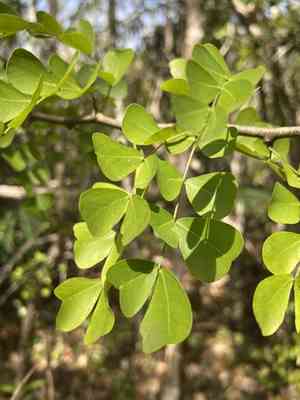
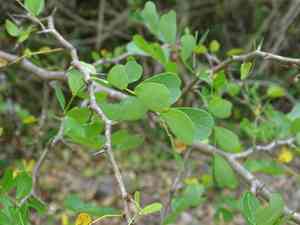
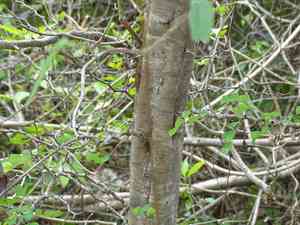
This tree can be identified by its spiny branches, pinnate leaves, and small, fragrant yellow flowers. The wood is dark red when freshly cut, which is a distinctive feature.
Scientific Classification of Bloodwoodtree
Phylum
Vascular plants
Class
Dicotyledons
Order
Fabales
Family
Legume
Genus
Haematoxylum
Species
Bloodwoodtree
Planting and Growing of Bloodwoodtree
Care Difficulty
Easy
Watering Schedule
Every 2 days
Sunlight Requirements
Full sun
Sunshine Duration
4-8 hours
Ideal Temperature
68-86℉
Soil Type
Potting Mix, Peat Mix
Soil pH
6.5-7.5
Fertilizer Type
Balanced
Pruning Season
Spring, Summer
Pruning Area
Branches, Leaves
Pruning Frequency
2 times a year
Repotting Season
Spring
Pot Type
Plastic, Ceramic
 How to Water Bloodwoodtree?
For Haematoxylum campechianum, a steady supply of moisture is crucial. Typically, watering about 500 ml each session is ideal. The soil should be soaked to a depth where the root system is, but avoid water-logging. Ensure that the soil remains moisturized but not drenched, providing enough time for the roots to absorb but avoiding water accumulation.
What are the symptoms of an underwatered Bloodwoodtree?
›
What should I do if my Bloodwoodtree is not getting enough water?
›
What are the symptoms of an overwatered Bloodwoodtree?
›
How to save an overwatered Bloodwoodtree?
›
 What Are the Sunlight Requirements for Bloodwoodtree?
Prefers full sun to partial sun, benefiting from 6 to 8 hours of sunlight daily. Ideal light conditions support robust growth, vibrant coloring, and healthy structural development.
More About Sunlight Requirements Techniques→
What is the ideal location for Haematoxylum campechianum?
›
How can you adjust the light exposure based on seasonal changes?
›
What are the effects of achieving ideal light conditions?
›
 What Is the Ideal Temperature Range for Bloodwoodtree?
The ideal temperature range for Haematoxylum campechianum is between 68°F and 86°F. This range supports optimal growth and facilitates key biological processes like photosynthesis and nutrient uptake, while also minimizing stress for the plant.
 What Soil is Best for Bloodwoodtree?
Haematoxylum campechianum thrives in well-drained soils to prevent root rot. Ensuring proper drainage helps the roots breathe and access vital nutrients, keeping the plant healthy and vibrant. This plant benefits from soil that can retain moisture while not becoming waterlogged. This balance helps provide consistent hydration without drowning the roots, supporting steady growth. Rich soil with organic matter supports the nutritional needs of Haematoxylum campechianum. Abundant nutrients in the soil ensure robust growth and enhance the plant's ability to produce vibrant foliage.
 How to Fertilize Bloodwoodtree?
When fertilizing Haematoxylum campechianum, use a balanced fertilizer with an N-P-K (nitrogen-phosphorus-potassium) ratio like 10-10-10. For liquid fertilizer, mix 1 tablespoon per gallon of water once every two weeks. For slow-release fertilizer, apply 1 pound per 100 square feet annually, ensuring even distribution around the plant base.
 How to Prune Bloodwoodtree?
Begin by identifying dead, diseased, or damaged wood and remove these first. Use clean, sharp tools to make clean cuts at a slight angle just above a node or bud. Trim branches to improve the overall shape and remove any crossing branches that may rub against each other, which can create wounds. Ensure you prune evenly around the plant to maintain a balanced shape. Every few years, perform rejuvenation pruning to encourage fresh and vigorous growth. This involves cutting back up to one-third of the oldest wood to ground level. This method revitalizes the plant and promotes a bushier appearance, encouraging new, healthy shoots to form.
More About Pruning Techniques→
 How to Propagate Bloodwoodtree plant?
1
Soak the seeds in warm water for 24 hours before planting to soften the seed coat and improve germination rates. This step is crucial in breaking seed dormancy and enhancing the possibility of successful growth.
2
Select healthy branches and cut 6-inch long segments. Strip the leaves from the bottom half to reduce moisture loss and dip the ends in rooting hormone before planting.
3
Plant the seeds in seed trays with appropriate soil mix or place cuttings in pots with well-drained soil. Ensure they are kept at optimal moisture and temperature levels for successful rooting and germination.
 How to Repot Bloodwoodtree plant?
1
Haematoxylum campechianum needs repotting when roots emerge from the drainage holes or its growth slows significantly. This usually occurs every 2-3 years. Spring and early summer are ideal seasons, as the plant is actively growing and can recover quickly from the repotting process.
2
Select a pot that is one size larger than the current one, with good drainage holes. A ceramic or plastic pot works well. The increased size provides more space for root development, promoting healthy growth, while drainage holes prevent waterlogging, reducing the risk of root rot.
3
Opt for a well-draining loamy soil mix that holds moisture but still allows excess water to escape easily. Adding perlite or sand can improve drainage. This soil structure supports the plant’s nutritional needs while minimizing the chances of water-related diseases.



