How to Prune Club cholla?
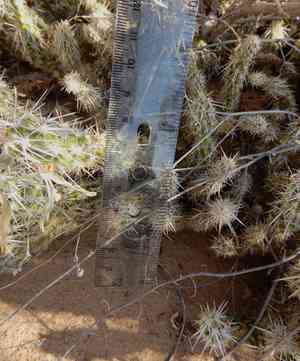
Club cholla, a cactus, is recognized by its unique segmented stalks adorned with spines. Trim club cholla in late winter or early spring to control its form and eliminate any impaired or infected sections. Employ sanitized, keen instruments to prevent the spread of pathogens. Consistent trimming fosters more robust development and averts excessive density. Confirm that incisions are precise and refrain from excessive cutting to preserve the plant's vitality.
Advantages of Trimming Club Cholla
Advantages of Trimming Club Cholla
Trimming club cholla encourages robust development and helps preserve its form, ensuring a healthier, more visually appealing specimen. Regular trimming also lowers the chance of pest infestations and disease, contributing to the overall vigor and lifespan of club cholla.
Optimal Time for Trimming Club Cholla
Optimal Time for Trimming Club Cholla
Trimming or shaping club cholla during early spring or late winter is ideal because this period coincides with the plant's dormancy or minimal growth phase. Performing trimming at this time helps to ensure the plant's energy is directed towards recovery and strong growth as it enters the warmer, more active growing months. Additionally, trimming before new growth begins minimizes stress and potential harm to the plant's structure. It also allows gardeners to shape the plant and remove any diseased or damaged sections, promoting overall health and preventing potential pests or diseases. Early spring or late winter trimming ensures that the flowering or fruiting periods remain unaffected, contributing to more vigorous blooming when the growing season starts.
Tools Required for Trimming Club Cholla
Bypass Pruners
These implements are excellent for making clean cuts on live stems of club cholla. The sharp blades ensure minimal harm to the plant tissue.
Loppers
Used for thicker stems and branches of club cholla, loppers provide leverage and precision, reducing strain on your hands.
Long-Handled Pruners
These are crucial for reaching deeper into club cholla without getting too close to the spines. They offer safety and ease during trimming.
Leather Gloves
Thick, protective gloves are essential when handling club cholla to prevent injury from the spines. They provide both safety and the ability to handle the plant securely.
Hand Saw
For the largest and oldest stems of club cholla, a hand saw will be necessary to make clean cuts efficiently.
How to Trim Club Cholla
Evaluation
Inspect club cholla for any indications of diseased or withered foliage. Pay close attention to parts that appear discolored, soft, or have visible fungal growth.
Tool Preparation
Prepare sanitized, sharp pruning shears or a small knife. Sterilize your tools before beginning by dipping them in 70% isopropyl alcohol or a bleach solution to prevent disease transmission.
Removal
Carefully cut away the diseased leaves first by tracing back to where they connect to the main stem or segment. Make a clean cut to encourage faster healing. Dispose of the removed diseased parts securely to prevent recontamination.
Withered Removal
Trim off withered leaves using the same method. Identify leaves that are dried out and not contributing to the plant's health, and make precise cuts at the base where they meet healthy tissue.
Monitoring
After trimming, observe the plant for a few weeks to ensure there are no signs of disease recurrence. Maintain regular inspections and repeat the process if necessary to keep club cholla healthy.
Common Trimming Errors with Club Cholla
Incorrect Cutting Technique
Using dull or unsuitable tools can cause damage to club cholla. Poorly executed cuts can lead to infections or hinder proper healing of the plant.
Excessive Trimming
Removing too many segments at once can stress club cholla and impede its growth. This species requires a careful balance to maintain its health and vitality.
Trimming at Wrong Angles
Cutting at incorrect angles can cause water run-off to accumulate on the cut surface, leading to rot or fungal issues in club cholla.
Ignoring Diseased Parts
Failing to remove diseased or damaged segments promptly can allow infections to spread, compromising the overall health of club cholla.
Inconsistent Trimming
Irregular trimming can lead to uneven growth patterns. Consistency is crucial for maintaining structural integrity and appearance of club cholla.
General Trimming Advice for Club Cholla
Utilize Sharp, Sterile Tools
Always use sharp, sterilized pruning shears to make clean cuts. This helps prevent infections and promotes faster healing in club cholla.
Trim Moderately
Remove only a few segments at a time to avoid stressing the plant. Focus on removing only the parts that are necessary for health and shape maintenance.
Cut at an Angle
Make cuts at a slight angle to ensure water does not collect on the cut surface. This reduces the risk of rot in club cholla.
Focus on Damaged Areas
Prioritize removing any damaged, diseased, or dead segments to prevent the spread of infections. Pay close attention to the health of the plant when trimming.
Establish a Routine
Develop a consistent trimming routine. Regular, moderate trimming helps maintain the desired shape and promotes healthy growth in club cholla.



