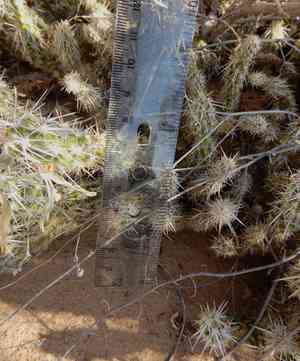
Club cholla (Grusonia clavata)
Also known as: club cholla, thornber's wild buckwheat-spine
The club cholla is a hardy cactus distinguished by its unique, bulbous, club-shaped green stems. Adapted to survive in harsh, arid conditions, it excels at water storage within its thick stems. Its spiny exterior not only deters herbivores but also helps reduce water loss. This low-profile succulent is exceptionally drought-resistant, making it well-suited to thrive in dry environments.
In This Article
Attributes of Club cholla
Lifespan
Perennial
Plant Type
Succulent
Plant Height
up to 30 cm (12 inches)
Spread
up to 1 m (3.3 feet)
Leaf Color
green, though leaves are usually reduced to scales or spines
Flower Size
up to 2.5 cm (1 inch)
Flower Color
yellow
Images of Club cholla
Quickly Identify Club cholla
1
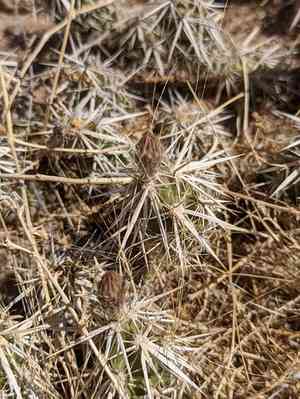
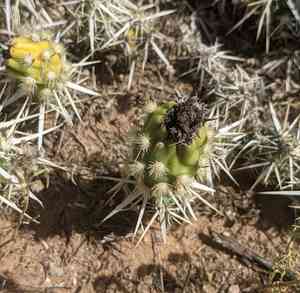
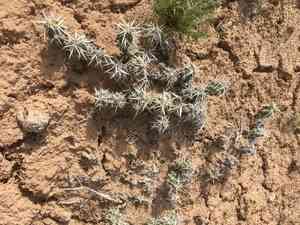
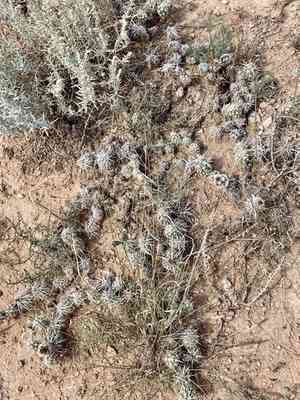
Grusonia clavata can be identified by its cylindrical, club-shaped stems that are covered with sharp spines. The plant often forms dense mats on the ground. Flowers are usually yellow and bloom in the spring.
Scientific Classification of Club cholla
Phylum
Vascular plants
Class
Dicotyledons
Order
Caryophyllales
Family
Cactuses
Genus
Cholla
Species
Club cholla
Planting and Growing of Club cholla
Care Difficulty
Easy
Watering Schedule
Every 2 days
Sunlight Requirements
Full sun
Sunshine Duration
4-8 hours
Ideal Temperature
70-85℉
Soil Type
Potting Mix, Peat Mix
Soil pH
6.5-7.5
Fertilizer Type
Balanced
Pruning Season
Spring, Summer
Pruning Area
Branches, Leaves
Pruning Frequency
2 times a year
Repotting Season
Spring
Pot Type
Plastic, Ceramic
 How to Water Club cholla?
Grusonia clavata, known for its resilience in arid conditions, requires about 100 milliliters of water per session. The key is to water thoroughly until the soil is evenly moist but not soggy. Ensuring proper drainage is essential to prevent water from pooling at the base, which could lead to root rot.
What are the symptoms of an underwatered Club cholla?
›
What should I do if my Club cholla is not getting enough water?
›
What are the symptoms of an overwatered Club cholla?
›
How to save an overwatered Club cholla?
›
 What Are the Sunlight Requirements for Club cholla?
For Grusonia clavata, a full sun exposure is ideal, about 6 to 8 hours daily. This allows the plant to photosynthesize efficiently, promoting robust stem growth and enhancing the plant's natural defenses against environmental stresses.
What are the best lighting conditions for Grusonia clavata?
›
How can I ensure Grusonia clavata gets its ideal light exposure?
›
What benefits does Grusonia clavata gain from ideal lighting conditions?
›
 What Is the Ideal Temperature Range for Club cholla?
Grusonia clavata thrives in warm temperatures typical of desert climates. Ideally, you should maintain them in temperatures ranging from 70°F to 85°F. This range ensures that the plant receives enough warmth to sustain metabolic processes, while avoiding the extremes that can stress the plant.
 What Soil is Best for Club cholla?
Grusonia clavata thrives in well-drained soil to prevent root rot. This requirement ensures excess water is efficiently removed, fostering a healthy root system and robust growth. Providing a nutrient-rich substrate meets Grusonia clavata's needs for sustained growth. Essential minerals and organic matter encourage strong development and vibrant flowering. Soil that remains aerated allows for proper root respiration in Grusonia clavata. The well-blended structure ensures air pockets promote healthy metabolic processes within the plant.
 How to Fertilize Club cholla?
For Grusonia clavata, applying fertilizer should always be done sparingly, as it's naturally accustomed to nutrient-poor desert environments. Use a dilution of half the recommended strength for liquid fertilizers, ensuring you don't overwhelm the plant's sensitive roots.
 How to Prune Club cholla?
Begin by wearing thick gloves to protect your hands from the plant's spines. Use sterilized, sharp pruning shears for clean cuts. Focus on removing any dead, damaged, or diseased segments to promote overall plant health. Trim back overly long pads to maintain the desired shape, making cuts at the joints. Always prune just above a node to encourage new growth. Regularly clean your tools between cuts to prevent spreading any potential disease.
More About Pruning Techniques→
 How to Propagate Club cholla plant?
1
Collect mature seeds from the Grusonia clavata plant. Select seeds that are fully developed and free from any signs of disease or damage for best germination results.
2
Fill the seed trays with a sterilized, well-draining cactus mix. This prevents fungal diseases and rot from affecting the seeds and ensures proper air circulation around the roots.
3
Sow the seeds evenly over the soil surface. Lightly press them into the soil to ensure good seed-to-soil contact, but do not bury them too deep, as they require light to germinate.
 How to Repot Club cholla plant?
1
Grusonia clavata needs repotting when it shows signs of root-bound conditions, reduced growth, or soil compaction. Look for crowded roots escaping drainage holes or lack of water absorption as clear indicators.
2
Choose a pot slightly larger than the current one, with plenty of drainage holes to prevent waterlogging. A terracotta pot is ideal for its breathability, helping maintain an optimal moisture environment for the plant.
3
Select a well-draining cactus mix to mimic its natural habitat. This prevents root rot by ensuring excess water can easily escape, maintaining a healthy root environment conducive to growth.



