How to Propagate Club cholla?
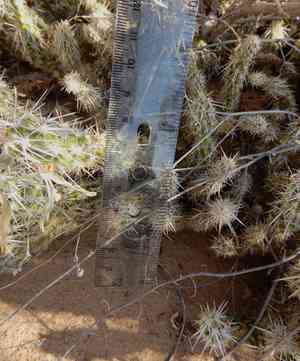
Cylindropuntia is a robust cactus recognized by its elongated stems and barbed sections. For propagation, acquire seeds from ripe fruits and plant them in sandy, well-draining substrate. Keep the soil damp but not saturated. Utilize a shallow receptacle, and supply sufficient illumination and warmth to stimulate sprouting. This method will aid in effective propagation and foster robust development in Cylindropuntia.
Optimal Period for Club Cholla Propagation
Propagation Method
Seeding
Propagation Period
Spring
Tools Utilized in Club Cholla Propagation
Seed Trays and Containers
Essential for germinating club cholla seeds, these trays and pots offer an organized and contained space for sprouting. Their drainage holes prevent water accumulation, vital for this succulent.
Sterile Growing Medium
A sterile potting mix is crucial to prevent fungal or bacterial issues in young club cholla seedlings. The mix should drain well, replicating the plant's natural dry habitat.
Misting Bottle
A spray bottle is used to gently moisten the soil without dislodging the seeds. This watering method ensures club cholla seeds remain in contact with the soil without being washed away.
Identification Stakes
Labeling stakes are important for tracking sowing dates and plant types. This is especially helpful when propagating multiple club cholla specimens or other species simultaneously.
Heating Mat
A heat mat provides consistent warmth to seed trays or pots, which aids club cholla germination, particularly in cooler climates. It mimics the warm soil conditions of their native environment.
Plastic Cover or Dome
Plastic domes or covers create a mini-greenhouse effect, maintaining humidity around club cholla seeds. This is critical until germination, as it prevents the soil surface from drying out quickly.
Fine-grained Sand
Scattering a thin layer of fine-grit sand over the soil surface after sowing helps anchor club cholla seeds and maintain proper moisture levels. The sand also helps prevent fungal growth.
Forceps
Tweezers are useful for precisely placing small club cholla seeds onto the soil surface, ensuring even spacing and preventing overcrowding, which can lead to damping-off disease.
Hand Trowel
A hand trowel is used to fill trays or pots with potting mix, ensuring a consistent and even surface for sowing club cholla seeds. Its compact size makes soil handling easier and cleaner.
Grow Lights
Grow lights provide essential artificial illumination for club cholla seedlings to photosynthesize, especially indoors or in areas with insufficient natural light. Consistent light exposure promotes healthy growth.
How to Propagate Club Cholla?
Propagation Difficulty
Simple
Caring for Your Newly Propagated Club Cholla
Caring for Your Newly Propagated Club Cholla
Once seedlings emerge, gradually expose them to more direct sunlight over several weeks to prevent sunburn. Water sparingly, allowing soil to dry completely between waterings, as overwatering can cause root rot. Transplant seedlings into individual pots when large enough, ensuring excellent drainage. Fertilize lightly with a cactus-specific fertilizer during the growing season, and reduce watering during winter dormancy.
Common Errors to Avoid When Propagating Club Cholla
Excessive Watering
Too much water can lead to root rot, as club cholla prefers well-draining soil and dry conditions.
Incorrect Soil Usage
Using regular potting soil instead of a cactus mix can retain too much moisture, causing rot.
Improper Cutting Angle
Cutting segments incorrectly can result in poor callusing and increased susceptibility to diseases.
Skipping Callus Formation
Planting cuttings immediately without a callusing period can lead to rot.
Insufficient Light
Placing the plant in a shaded area can hinder growth and cause etiolation.
Tips For Propagating Club Cholla
Utilize well-draining soil
Choose a cactus or succulent mix to ensure proper drainage and prevent moisture retention.
Allow cuttings to callus
Let cut segments dry and form a callus for a few days before planting to prevent rot.
Proper watering technique
Water sparingly and only when the soil is completely dry to mimic the plant's natural arid environment.
Correct cutting methods
Use a clean, sterilized knife and make neat, angled cuts to improve healing and rooting.
Adequate sunlight
Place club cholla in a sunny location, as ample sunlight promotes healthy growth and prevents etiolation.



