How to Prune Dakota mock vervain?
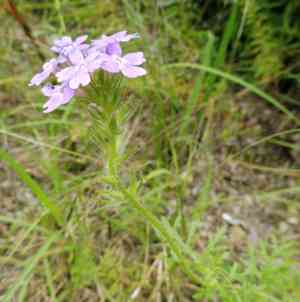
Distinguished by its vivid violet blossoms and fine leaves, dakota mock vervain flourishes with regular trimming to manage its form and dimensions. Essential pruning methods include removing faded flowers to stimulate additional blooming, and cutting back in late winter to foster robust spring development. The most effective time for pruning spans from early spring to late autumn, coinciding with its active growth phases. Trimming dakota mock vervain invigorates the specimen, preserves its visual charm, and deters excessive elongation, guaranteeing a dense and thriving presentation.
What Are the Benefits of Pruning Dakota Mock Vervain?
What Are the Benefits of Pruning Dakota Mock Vervain?
Trimming dakota mock vervain stimulates a burst of new flowers and promotes robust development. Consistent cutting helps keep its desired form, ensuring a tidy and appealing look in the garden.
What Is the Best Time for Pruning Dakota Mock Vervain?
What Is the Best Time for Pruning Dakota Mock Vervain?
The optimal trimming periods for dakota mock vervain ensure the plant's vigor and enhance its flowering. Pruning in early spring allows for the removal of winter damage before new growth starts, which can also encourage more robust development. Late fall pruning aids in discarding spent or dead foliage and blooms, reducing disease risk. These times avoid the peak growth phases of late spring and summer, when dakota mock vervain focuses energy on blooming. This schedule also prevents disrupting the winter growth cycle, when dakota mock vervain is less active and may not recover well from pruning.
What Tools Do I Need to Prune Dakota Mock Vervain?
Bypass Pruners
Dakota mock vervain is a small, delicate plant that benefits from precise cuts that minimize stem damage. Bypass pruners are ideal as they provide clean and close cuts, ensuring quick healing and less stress to the plant.
Snips
Dakota mock vervain may produce thin stems that require detailed trimming. Snips are perfect for deadheading and shaping these types of plants as they allow for accuracy without crushing the stems.
Gloves
While handling dakota mock vervain, the gardener should protect their hands from potential irritants or minor scratches. Gloves designed for gardening provide the necessary dexterity for pruning without sacrificing protection.
How to Prune Dakota Mock Vervain
Step1: Assessment of Plant for Dead Parts
Examine dakota mock vervain for signs of dead flowers and withered stems. These parts can drain energy from the plant that could be used for new growth. Conduct this assessment during the growing season, as pruning is often most beneficial during this time.
Step2: Pruning Tool Preparation
Prepare your pruning tools. Use sharp, clean pruning shears or scissors. Sterilize your equipment with rubbing alcohol before and after the pruning process to prevent the spread of disease.
Step3: Deadhead Spent Blooms
Start with dead flowers. Deadhead by cutting the spent blooms back to the first set of healthy leaves. Make the cut just above the leaf node to encourage dakota mock vervain to produce more flowers.
Step4: Prune Withered Stems
Identify withered stems. These are stems that are brown, dry, and show no signs of green growth. Prune these stems back to the base of the plant or to the nearest healthy set of leaves.
Step5: Plant Shaping and Trimming
Shape dakota mock vervain as you prune. Remove disproportionately long stems to maintain a pleasing shape and to encourage bushier growth. Trim these stems above a leaf node at the desired height.
Step6: Thinning for Better Airflow
Thin out crowded areas of dakota mock vervain. This increases air circulation and sunlight penetration, which can reduce the likelihood of disease and promote more robust growth.
Step7: Removal of Waste Material
Dispose of the removed material. Place dead flowers and withered stems in a compost pile away from dakota mock vervain, unless they show signs of disease. In that case, discard them in the trash to prevent disease spread.
Step8: Post-Pruning Care
Water dakota mock vervain after pruning if the soil is dry, and apply a balanced, slow-release fertilizer if needed. This will help dakota mock vervain recover from pruning and support new growth.
Step9: Monitoring New Growth
Monitor dakota mock vervain for new growth. After pruning, dakota mock vervain should respond with increased vigor. Keep an eye on the plant's progress and adjust care routines as needed for optimal health.
Post-Pruning Care for Dakota Mock Vervain
Post-Pruning Care for Dakota Mock Vervain
Immediately after pruning dakota mock vervain, water the plant thoroughly to reduce stress and aid recovery. Maintain moderate humidity and place in partial sun, avoiding intense afternoon rays. Adjust temperature to a comfortable 60-70°F range. Apply a balanced fertilizer to replenish nutrients and promote growth. Monitor dakota mock vervain regularly for wilting or discolored leaves, which could indicate stress or disease. If signs of infection are evident, treat promptly with suitable fungicide or pesticide following label directions for best care.
Common Pruning Mistakes with Dakota Mock Vervain
Overpruning Stress and Reduced Blooming
Excessive pruning is a common error with dakota mock vervain, which can result in stress to the plant, reduced blooming, or a less dense growth habit.
Harm from Cutting Old Woody Growth
Cutting into the woody, older growth of dakota mock vervain can harm the plant, as these areas may not regenerate as readily, potentially resulting in bare spots.
Spreading Disease with Unsanitized Tools
Neglecting to disinfect pruning tools before use may inadvertently spread disease among dakota mock vervain plants or other species within the garden.
Common Pruning Tips for Dakota Mock Vervain
Deadhead to Encourage Continuous Blooms
Regularly deadhead spent flowers of dakota mock vervain to promote continuous blooming throughout the growing season, which can be done by pinching off the flower heads just below the base.
Selective Pruning Over Shearing for Plant Shape
Lightly shape dakota mock vervain by selectively pruning leggy or overgrown stems, rather than shearing them uniformly, to maintain the plant's natural form and to allow light and air to reach the inner foliage.
Post-Flowering Trim for Second Bloom
After flowering, trim back dakota mock vervain to about half its height to refresh the plant and encourage a second bloom, ensuring cuts are made just above a leaf node or branching point.



