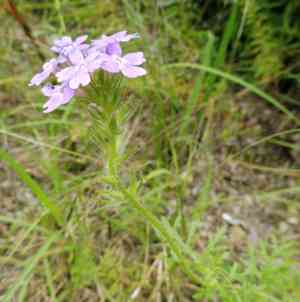
Dakota mock vervain (Glandularia bipinnatifida)
Also known as: Prairie verbena
This wildflower thrives in open, grassy regions throughout the central and southern US. Known for its vibrant blooms from spring through late summer, the Indian Blanket often covers fields with its colorful display. It attracts a variety of birds and nectar-feeding wildlife.
In This Article
Attributes of Dakota mock vervain
Lifespan
Perennial, Annual
Plant Type
Herb
Plant Height
30 cm
Spread
70 cm
Leaf Color
Green Blue
Flower Size
1 cm
Flower Color
Pink Purple Red Lavender Violet
Images of Dakota mock vervain
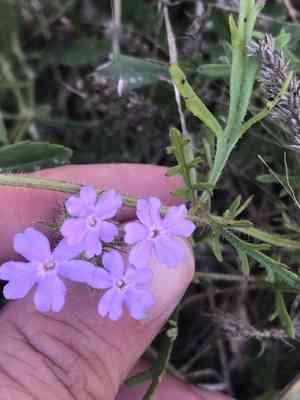
Quickly Identify Dakota mock vervain
1
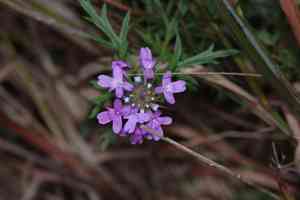
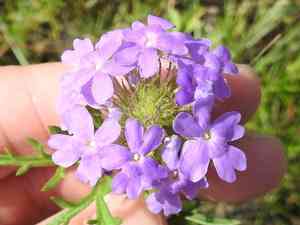
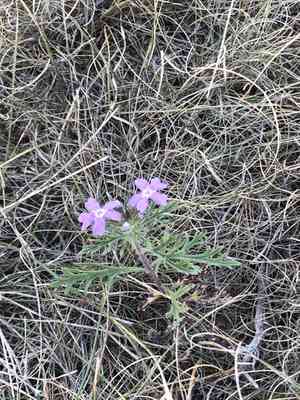
Glandularia bipinnatifida can be identified by its deeply lobed leaves that are pinnatifid, giving a feathery appearance. The flowers are clustered in tight, globe-like formations at the ends of stems and are usually purple to pink in color. The stems are hairy and slightly glandular.
Scientific Classification of Dakota mock vervain
Phylum
Vascular plants
Class
Dicotyledons
Order
Lamiales
Family
Verbena
Genus
Mock vervain
Species
Dakota mock vervain
Planting and Growing of Dakota mock vervain
Care Difficulty
Easy
Watering Schedule
Every 4 days
Sunlight Requirements
Full sun
Sunshine Duration
4-6 hours
Ideal Temperature
68-77℉
Soil Type
Potting Mix, Peat Mix
Soil pH
6.5-7.5
Fertilizer Type
Balanced
Pruning Season
Spring, Summer
Pruning Area
Branches, Leaves
Pruning Frequency
2 times a year
Repotting Season
Spring
Pot Type
Plastic, Ceramic
 How to Water Dakota mock vervain?
Glandularia bipinnatifida requires moderate watering. Water thoroughly until the soil is evenly moist but not soggy. Ensure the top 1-2 inches of soil have dried out before the next watering. This prevents root rot while maintaining hydration.
What are the symptoms of an underwatered Dakota mock vervain?
›
What should I do if my Dakota mock vervain is not getting enough water?
›
What are the symptoms of an overwatered Dakota mock vervain?
›
How to save an overwatered Dakota mock vervain?
›
 What Are the Sunlight Requirements for Dakota mock vervain?
This plant thrives best in full sun to partial sun conditions, where it can enjoy 6 to 8 hours of sunlight. This exposure supports healthy growth and abundant flowering.
More About Sunlight Requirements Techniques→
What is the best lighting for Glandularia bipinnatifida?
›
How can I achieve ideal lighting for my plant?
›
What are the benefits of ideal lighting for this plant?
›
 What Is the Ideal Temperature Range for Dakota mock vervain?
The ideal temperature range for growing Glandularia bipinnatifida is between 68°F and 77°F. This range ensures optimal growth and flowering by providing the right warmth that promotes efficient photosynthesis and nutrient uptake. Maintaining this temperature range helps to mimic the natural environments where these plants are typically found, ensuring they thrive indoors or in managed outdoor settings.
 What Soil is Best for Dakota mock vervain?
Glandularia bipinnatifida thrives best in well-drained soils that prevent waterlogging, ensuring that the roots receive necessary oxygen. This condition is crucial to prevent root rot and promote healthy growth. While this plant is adaptable, it prefers soils with moderate fertility. Excessive nutrients are unnecessary and can even hinder its growth, making its natural resilience one of its best assets. Glandularia bipinnatifida prefers a pH range from 6.5 to 7.5, ensuring optimal nutrient uptake. This pH balance supports its metabolic processes and overall health.
 How to Fertilize Dakota mock vervain?
For Glandularia bipinnatifida, the recommended amount of fertilizer is generally light. Use a balanced 10-10-10 liquid fertilizer for monthly applications. Apply 1 tablespoon diluted in a gallon of water every two weeks during the growing season to avoid nutrient excess.
 How to Prune Dakota mock vervain?
Begin by removing any dead, diseased, or damaged stems as these can attract pests. Use clean, sharp scissors or pruning shears. Follow by trimming back the plant by no more than one-third of its size to encourage fuller growth. Focus on cutting just above a set of leaves or a node to promote new shoots.
More About Pruning Techniques→
 How to Propagate Dakota mock vervain plant?
1
Begin by filling seed trays with a well-draining potting mix. Sow the seeds evenly and cover lightly with soil. Maintain consistent moisture and place the trays in a location with bright, indirect light.
2
Select healthy stems for cuttings, approximately 4-6 inches long. Cut just below a node using sterilized shears. Remove the lower leaves and plant the cutting in a pot with a suitable potting mix.
3
The plant can be divided during the growing season. Carefully dig up the plant and gently separate clumps using your hands or a clean tool. Replant each clump immediately at the same depth they were growing before.
 How to Repot Dakota mock vervain plant?
1
Look for signs such as roots pushing through drainage holes, soil drying out quickly after watering, or the plant becoming top-heavy. These are signals that your Glandularia bipinnatifida is longing for a more spacious abode. Spring and autumn provide the ideal climate, ensuring less stress during the transition.
2
Opt for a pot that is 1-2 inches wider in diameter than the current one. Ensure it has ample drainage holes to prevent root rot and promote healthy root development. This upgrade allows room for growth while avoiding waterlogging, which is essential for this drought-tolerant plant.
3
A well-draining potting mix is crucial. Consider mixing commercial potting soil with perlite or sand for improved aeration. This ensures the plant's roots can breathe, preventing them from sitting in water, which can lead to rot and is detrimental to growth.



