How to Prune California gilia?
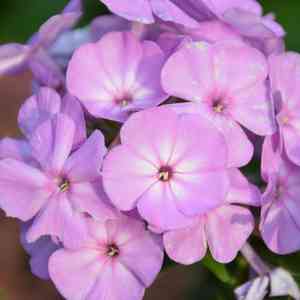
California gilia is recognized for its delicate leaves and vivid flowers. To achieve peak development, perform pruning in the Spring, Summer, or Autumn. Remove any withered or compromised stems and faded blossoms to stimulate fresh growth and preserve its form. Refrain from severe pruning; instead, consistent, light upkeep fosters more robust growth and abundant flowering. Pruning additionally enhances air movement, diminishing the likelihood of disease. It is most effectively carried out after flowering to ready california gilia for its subsequent blooming period.
What Are the Benefits of Pruning California Gilia?
What Are the Benefits of Pruning California Gilia?
California gilia thrives with trimming to encourage vigorous growth and maintain its form, enhancing its health, bloom production, and overall look. Pruning also aids in managing its size and reducing pest and disease risks. Regular trimming promotes strong development, ensuring a neat and resilient plant.
What Is the Best Time for Pruning California Gilia?
What Is the Best Time for Pruning California Gilia?
Trimming california gilia in the Spring, Summer, and Fall yields optimal results due to its growth pattern. In Spring, pruning helps shape new growth and promotes abundant flowering. Summer trimming assists in managing plant size and health during active growth. Fall pruning allows for plant cleanup before dormancy, reducing pest and disease threats. These seasons are considered ideal as they align with periods when california gilia is either actively growing or transitioning, ensuring minimal stress and fostering healthy regrowth.
What Tools Do I Need to Prune California Gilia?
Bypass pruners
These are perfect for making clean cuts on the delicate stems of california gilia without causing harm.
Pruning shears
Useful for clipping smaller stems and removing spent flowers, promoting healthy development.
Hand scissors
Beneficial for detailed pruning tasks and shaping, given california gilia's smaller size and tender stems.
How to Prune California Gilia
Inspection
Examine california gilia for shriveled leaves. Identify leaves that are discolored, dry, or brittle as candidates for removal.
Sanitizing
Clean your pruning shears with rubbing alcohol to prevent the spread of pathogens between plants.
Trimming
Using sanitized shears, carefully cut withered leaves at their base, close to the stem without harming surrounding healthy tissue.
Disposal
Properly discard the withered leaves to prevent any potential spread of disease or pests back to the plant.
Aftercare
Monitor california gilia for any signs of stress and provide adequate water and nutrients to support recovery after trimming.
Common Pruning Mistakes with California Gilia
Too Aggressive Pruning
A frequent error is removing too much of the plant at once. This can stress california gilia, hindering its ability to regrow and potentially reducing its flowering capacity.
Improper Technique
Using dull or dirty pruning tools can damage plant tissues, leading to an increased risk of infection and poor healing.
Pruning at Incorrect Times
Some gardeners prune at the wrong points in the growth cycle, which can disrupt the plantâs natural processes and inhibit blooming.
Common Pruning Tips for California Gilia
Use Sharp and Clean Tools
Always ensure your pruners are sharp and clean to make precise cuts and minimize disease risk. Disinfect tools between uses, especially when working with multiple plants.
Regular Light Pruning
Perform routine light pruning to remove dead or damaged stems and manage the plantâs shape. This encourages healthy growth without overstressing california gilia.
Understand the Growth Habit
Familiarize yourself with california gilia's growth pattern to identify which stems to trim. Focus on thinning out overcrowded branches to improve air circulation and light penetration.
Focus on Deadheading
Removing spent blooms can prompt california gilia to produce more flowers. Snip off the faded flowers just beneath the bloom to encourage continuous flowering.



