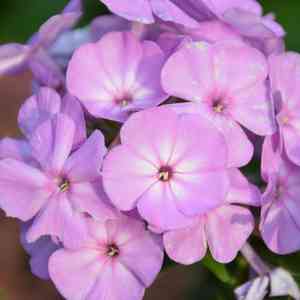
California gilia (Gilia achilleifolia)
Also known as: California gilly-flower
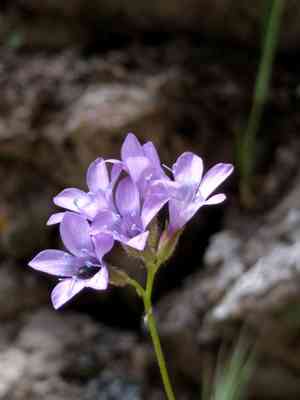
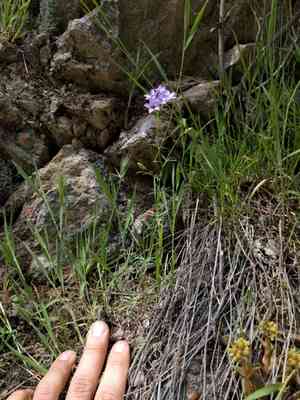
This plant stands upright with elongated stems that support clusters of lavender, funnel-shaped flowers. It belongs to the phlox family.
In This Article
Attributes of California gilia
Lifespan
Annual
Plant Type
Herb
Plant Height
30 cm to 91 cm
Spread
Not typically measured for this plant
Leaf Color
Green
Flower Size
About 1-2 cm (0.4-0.8 inches)
Flower Color
Lavender to blue
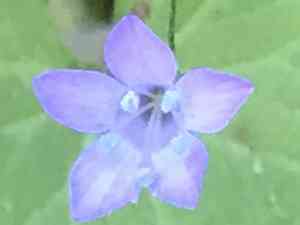
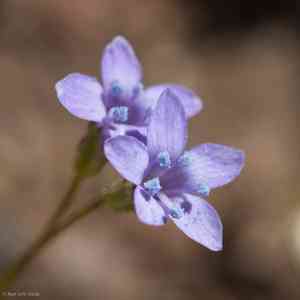
Images of California gilia
Quickly Identify California gilia
1
To identify Gilia achilleifolia, look for fern-like, finely divided leaves and clusters of lavender to blue flowers. The plant typically grows in grasslands and open areas of California.
Scientific Classification of California gilia
Phylum
Vascular plants
Class
Dicotyledons
Order
Ericales
Family
Phlox
Genus
Gilia
Species
California gilia
Planting and Growing of California gilia
Care Difficulty
Easy
Watering Schedule
Every 3 days
Sunlight Requirements
Full sun
Sunshine Duration
6-10 hours
Ideal Temperature
60-75℉
Soil Type
Potting Mix, Peat Mix
Soil pH
6.5-7.5
Fertilizer Type
Balanced
Pruning Season
Spring, Summer
Pruning Area
Branches, Leaves
Pruning Frequency
2 times a year
Repotting Season
Spring
Pot Type
Terracotta, Plastic
 How to Water California gilia?
Water Gilia achilleifolia until the soil is saturated but not waterlogged. The water should penetrate deeply, ensuring that every part of the root system receives moisture, promoting healthy plant development.
What are the symptoms of an underwatered California gilia?
›
What should I do if my California gilia is not getting enough water?
›
What are the symptoms of an overwatered California gilia?
›
How to save an overwatered California gilia?
›
 What Are the Sunlight Requirements for California gilia?
Gilia achilleifolia prefers the ideal light range of full sun to partial sun. Adequate light exposure is crucial to facilitate photosynthesis, leading to healthy foliage and vivid flowers.
What is the best lighting for Gilia achilleifolia?
›
How to ensure optimal lighting conditions for Gilia achilleifolia?
›
Benefits of optimal lighting for Gilia achilleifolia
›
 What Is the Ideal Temperature Range for California gilia?
The ideal temperature range for Gilia achilleifolia is between 60°F to 75°F. This range provides the optimal conditions for growth and development by ensuring that cellular processes occur efficiently. In this range, the plant’s physiological functions such as photosynthesis, respiration, and nutrient absorption are well-supported.
 What Soil is Best for California gilia?
Gilia achilleifolia thrives in soils with excellent drainage. This helps prevent root rot and ensures that the roots receive adequate oxygen, promoting healthy growth and vibrant blooms. A soil rich in organic matter supports Gilia achilleifolia's growth by providing essential nutrients that fuel its development. This results in a more robust plant with lush foliage and more prolific flowering. While good drainage is crucial, Gilia achilleifolia also benefits from soils that can retain some moisture. Balanced moisture retention ensures the plant doesn't dry out, particularly during hot, dry spells.
 How to Fertilize California gilia?
Gilia achilleifolia typically requires a balanced fertilization approach. It is advisable to use a liquid fertilizer diluted to half strength to avoid any potential root burn. Each application should provide about 30-40% of the nutrients as stated on the fertilizer package.
 How to Prune California gilia?
Begin by removing any dead or dying stems first. This will not only clear space for healthier growth but also prevent any potential disease from spreading to the rest of the plant. Once the dead and dying stems are removed, proceed to shape the plant by selectively trimming back the longer stems. Aim to create a uniform appearance but avoid excessive cutting to prevent shock. To foster more blooms, trim the tips of the stems just above the node where leaves emerge. This method encourages branching and further flowering, ensuring a more vibrant and lively display.
More About Pruning Techniques→
 How to Propagate California gilia plant?
1
Choose high-quality seeds from a reputable source to ensure good germination rates. Inspect seeds for any visible signs of damage or disease before planting.
2
Fill the seed tray with potting mix, leaving some space at the top for watering. Gently firm the soil to create a flat surface for even distribution of seeds.
3
Sprinkle the seeds evenly over the surface of the soil. Lightly cover them with a thin layer of potting mix, as this species requires some light for germination.
 How to Repot California gilia plant?
1
Gilia achilleifolia should be repotted when you notice that roots are starting to grow through the drainage holes or the plant appears to be outgrowing its current pot. Additionally, if the soil is not retaining water well, this may indicate it's time for a change. Spring is ideal as the plant enters its growing season.
2
Select a pot slightly larger than the current one to accommodate growth, with ample drainage holes at the bottom. The material should be porous like terracotta, which allows moisture to evaporate, preventing waterlogging and root rot, leading to healthier root development.
3
Choose a well-draining sandy soil mix tailored for drought-tolerant plants. This composition allows excess water to flow away easily, preventing potential root rot while retaining enough moisture and nutrients to support healthy plant growth.
Learn More About California gilia Diseases
Anthracnose
Bacterial Leaf Spot
Bacterial Wilt
Chemical Injury
Crown Gall
Cyst Nematode
Damping-off
Downy Mildew
Drought Stress
Fusarium Wilt
Gray Mold
Leaf Curl
Leaf Spot
Mosaic
Nutrient Deficiency
Nutrient Toxicity
Powdery Mildew
Root Rot
Root-knot Nematode
Rusts
Sooty Mold
Spider Mites
Temperature Stress
Thrips Damage
White Mold



