How to Prune Walking-stick orchid?
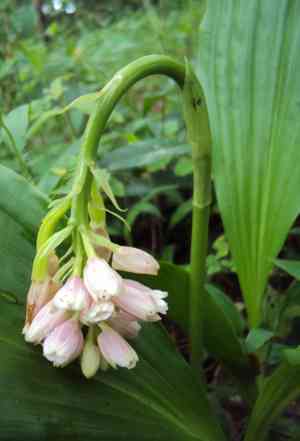
A ground-dwelling orchid, walking-stick orchid typically needs little trimming, primarily for eliminating deceased or discolored foliage. Perform pruning following the blooming period in Spring, Summer, or early Autumn to encourage robust development and revitalization. Cut near the plant's base with sanitized clippers, taking care not to harm the pseudobulbs. Consistent trimming lessens the risk of illness and redirects energy towards fresh growth, thereby boosting the walking-stick orchid's vitality and flowering capacity.
What Are the Benefits of Pruning Walking-stick Orchid?
What Are the Benefits of Pruning Walking-stick Orchid?
Trimming walking-stick orchid promotes more vibrant flowers, stimulates robust development, and maintains its desired shape, ensuring the plant stays healthy and visually appealing.
What Is the Best Time for Pruning Walking-stick Orchid?
What Is the Best Time for Pruning Walking-stick Orchid?
Late spring to early summer is the ideal period for trimming walking-stick orchid because this timeframe follows its blooming cycle, which typically occurs in the spring. Pruning after flowering helps prevent disruption to the growth cycle and encourages new development during the active growing season. This timing allows walking-stick orchid to recover from trimming and fosters healthy blooming in the subsequent season. Additionally, pest and disease risks are often lower at this time, reducing the likelihood of infestations affecting the fresh cuts on the plant.
What Tools Do I Need to Prune Walking-stick Orchid?
Sharp bypass pruners
Walking-stick orchid is a delicate orchid that requires precise and clean cuts to avoid damaging its pseudobulbs and thin stems. Bypass pruners are ideal as they make clean cuts and are less likely to crush the plant tissues, according to reputable horticultural sources such as the Royal Horticultural Society.
Fine-tip pruning snips
Due to the intricate nature of walking-stick orchid's growth, fine-tip pruning snips are essential for reaching tight spaces and making precise cuts without causing unnecessary damage to the orchid's foliage and flowers. This recommendation is backed by orchid care guides from sources like the American Orchid Society.
Sterilizing solution (rubbing alcohol or bleach solution)
Cleaning the pruning tools before and after use is crucial to prevent the spread of diseases. Sterilizing solutions are recommended by both the Royal Horticultural Society and the American Orchid Society for maintaining plant health during and after the pruning process.
How to Prune Walking-stick Orchid
Clean and Sterilize
Clean and sterilize all trimming tools before starting to prevent the spread of pests and diseases to walking-stick orchid. Use rubbing alcohol or a solution of bleach and water to disinfect the blades.
Remove Diseased Leaves
Carefully inspect walking-stick orchid for diseased leaves. Use your sterilized trimming tool to cut off these leaves at the base without harming the pseudobulbs. Ensure a clean cut to facilitate swift healing.
Trim Withered Leaves
Identify and remove withered leaves from walking-stick orchid. Cut leaves at the base near the pseudobulb. Be cautious not to damage new growth or green, healthy leaves that are necessary for photosynthesis.
Eliminate Withered Flowers
Trim withered flowers from walking-stick orchid by tracing the flower stem to the point of origin on the pseudobulb and making a clean cut. Removing old flowers encourages new growth and maintains the plant's appearance.
Dispose and Clean
Dispose of all trimmed plant material away from walking-stick orchid to reduce the risk of disease and pest infestation. Clean your tools again after trimming to keep them ready for future use.
Common Pruning Mistakes with Walking-stick Orchid
Overpruning
One common mistake is removing too much of walking-stick orchid's growth, which can severely stress the plant and lead to reduced vigor and fewer blooms.
Improper tool use
Utilizing dull or unsanitary trimming tools can cause unnecessary damage to walking-stick orchid's tissue, increasing susceptibility to disease and pests.
Random cuts
Making random or inconsistent cuts without understanding the growth pattern of walking-stick orchid can lead to unsightly plants and hinder their natural shape.
Pruning healthy growth
Enthusiastic gardeners might mistakenly trim new or healthy growth, which can be detrimental to walking-stick orchid as this growth is necessary for photosynthesis and energy production.
Ignoring dead material
Neglecting to remove dead or diseased material from walking-stick orchid not only affects plant aesthetics but can also lead to disease and pest problems.
Common Pruning Tips for Walking-stick Orchid
Sharp clean tools
Ensure that trimming tools are sharp and clean to make precise cuts and minimize potential damage or infection to walking-stick orchid's tissues.
Strategic cuts
Focus trimming just above a node or pseudobulb to encourage new growth in walking-stick orchid, and avoid cutting into old canes that may still be productive.
Remove damaged parts
Regularly remove dead or damaged foliage and flowers from walking-stick orchid to promote healthy growth and avert disease and pest infestations.
Prune after flowering
Though season specifics are excluded, timing trimming soon after flowering allows walking-stick orchid the best recovery and initiates new growth for the next blooming cycle.
Monitor plant response
After trimming walking-stick orchid, monitor plant health and growth, adjusting future trimming practices based on the plant's response, ensuring optimal health and bloom production.



