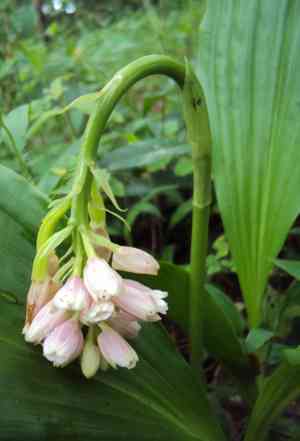
Walking-stick orchid (Geodorum densiflorum)
Also known as: Ground Orchid, Denseflowered Ground Orchid
The walking-stick orchid is endangered due to significant threats like habitat destruction, trampling, and invasive weeds. Notably, it can produce up to 20 flowers simultaneously, which is reflected in its name "densiflorum," meaning "densely flowered." Additionally, the orchid's tubers are harvested to create a glue-like substance used in crafting musical instruments.
In This Article
Attributes of Walking-stick orchid
Lifespan
Perennial
Plant Type
Herb
Plant Height
30 cm
Spread
30 cm
Leaf Color
Bright green
Flower Size
1.8 cm to 2 cm
Flower Color
White Pink Purple
Images of Walking-stick orchid
Quickly Identify Walking-stick orchid
1
To identify Geodorum densiflorum, look for upright stems with short, dense flower clusters. The flowers are typically pink to white with a distinctive labellum (lip) that may have darker markings. The leaves are lanceolate, pleated, and bright green.
Scientific Classification of Walking-stick orchid
Phylum
Vascular plants
Class
Monocotyledons
Order
Asparagales
Family
Orchid
Genus
Shepherds' Crooks
Species
Walking-stick orchid
Planting and Growing of Walking-stick orchid
Care Difficulty
Hard
Watering Schedule
Every 4 days
Sunlight Requirements
Partial sun
Sunshine Duration
4-8 hours
Ideal Temperature
65-75℉
Soil Type
Potting Mix, Peat Mix
Soil pH
5.5-7.5
Fertilizer Type
Balanced
Pruning Season
Spring, Summer
Pruning Area
Branches, Leaves
Pruning Frequency
2 times a year
Repotting Season
Spring
Pot Type
Plastic, Ceramic
 How to Water Walking-stick orchid?
When watering Geodorum densiflorum, aim to thoroughly soak the soil so that it reaches a depth of about several inches. The goal is to provide 500 milliliters of water each time, this ensures proper hydration without causing root rot, as the roots of this plant prefer consistently moist conditions without being waterlogged.
What are the symptoms of an underwatered Walking-stick orchid?
›
What should I do if my Walking-stick orchid is not getting enough water?
›
What are the symptoms of an overwatered Walking-stick orchid?
›
How to save an overwatered Walking-stick orchid?
›
 What Are the Sunlight Requirements for Walking-stick orchid?
Geodorum densiflorum prefers a light range between partial sun to full shade. Balanced light conditions promote healthy leaf pigmentation and potential flowering, enhancing the plant’s decorative appeal.
More About Sunlight Requirements Techniques→
How much sunlight does Geodorum densiflorum need?
›
What is the best setting for Geodorum densiflorum?
›
How does proper light benefit Geodorum densiflorum?
›
 What Is the Ideal Temperature Range for Walking-stick orchid?
The ideal temperature range for Geodorum densiflorum is between 65°F and 75°F. Within this range, the plant exhibits optimal growth and health, ensuring that its metabolic functions, such as photosynthesis and nutrient uptake, are efficiently carried out.
 What Soil is Best for Walking-stick orchid?
Geodorum densiflorum thrives best in nutrient-rich soil which provides essential minerals that support plant growth. A soil enriched with organic matter helps in improving the fertility, ensuring robust growth and vibrant flowers. This plant requires well-drained soil to prevent root rot. Adequate soil drainage helps in avoiding waterlogging, which can suffocate roots and impede nutrient uptake, ultimately benefiting plant health. Keeping the soil consistently moist is important for Geodorum densiflorum. Moist soil ensures that the plant's water needs are met, promoting healthy growth and aiding in the absorption of nutrients.
 How to Fertilize Walking-stick orchid?
For Geodorum densiflorum, it's best to apply a balanced fertilizer at a quarter of the recommended strength. This plant is sensitive and requires careful attention to ensure it receives enough nutrients without being overwhelmed.
 How to Prune Walking-stick orchid?
To prune Geodorum densiflorum, start by removing any dead or yellowed foliage close to the base of the plant. This helps to promote better air circulation and reduce the risk of pest infestations. Be sure to use clean, sharp scissors or pruning shears to make clean cuts. You can also trim overly long stems to maintain a compact shape, which not only enhances its aesthetic appeal but also channels nutrients more efficiently throughout the plant.
More About Pruning Techniques→
 How to Propagate Walking-stick orchid plant?
1
Collect ripe seeds from mature plants during the seed collection season. Clean and dry them to ensure they are free from pests and diseases before sowing.
2
Sow seeds evenly in a seed tray filled with sterile potting mix. Cover lightly with soil and maintain consistent moisture levels for successful germination.
3
Carefully divide the rhizomes during the growing season. Ensure each section has a shoot and roots before planting them in pots with suitable potting mix.
 How to Repot Walking-stick orchid plant?
1
Geodorum densiflorum typically needs repotting when its roots start growing out of the pot drainage holes or become tightly bound within the pot. This is a strong indication that the plant has outgrown its current home and requires more space. Observe the bulb and root system during the early growing season for signs that it's time to move.
2
Select a pot that is just one size larger than the current pot to allow for adequate but not excessive growth space. Ideally, the pot should have multiple drainage holes to prevent water accumulation, an essential characteristic for the health of Geodorum densiflorum's roots. A wider pot can accommodate its spreading root system more effectively, improving plant stability.
3
Opt for a well-draining mix specifically designed for orchids to best suit Geodorum densiflorum. Such soil ensures that water moves quickly through the pot, preventing the roots from rotting while retaining some moisture and nutrients. Incorporate bark, perlite, or sphagnum moss to improve aeration and mimic natural conditions.
Learn More About Walking-stick orchid Diseases
Anthracnose
Bacterial Leaf Spot
Bacterial Soft Rot
Bacterial Wilt
Black Spot
Chemical Injury
Crown Gall
Damping-off
Drought Stress
Fusarium Wilt
Gray Mold
Leaf Curl
Leaf Spot
Mosaic
Nutrient Deficiency
Nutrient Toxicity
Powdery Mildew
Root Rot
Root-knot Nematode
Sooty Mold
Spider Mites
Temperature Stress
Thrips Damage
White Mold



