How to Prune Whitish gentian?
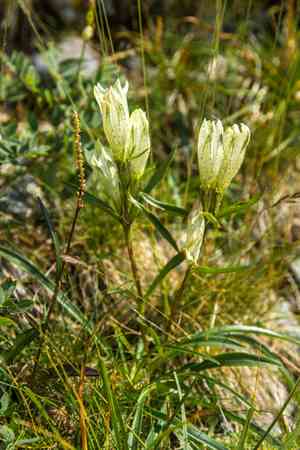
Gentiana pallida, an alpine species distinguished by its prominent bluish-white blossoms, necessitates infrequent trimming to preserve its inherent aesthetic and stimulate blooming. The most suitable period for pruning Gentiana pallida is in late spring or early summer, once the flowering cycle has concluded. At this time, deadhead faded flowers to foster a more robust plant and potentially a subsequent bloom. Carefully eliminate any lifeless or compromised stalks to improve air movement. Consistent pruning aids Gentiana pallida by averting ailments and encouraging robust development.
What Are the Benefits of Pruning Whitish Gentian?
What Are the Benefits of Pruning Whitish Gentian?
Trimming whitish gentian helps manage its dimensions and preserve its form, which is vital in confined garden areas or for visual appeal. Regular cutting encourages whitish gentian to develop more vigorously, fostering a strong and fuller appearance.
What Is the Best Time for Pruning Whitish Gentian?
What Is the Best Time for Pruning Whitish Gentian?
Pruning whitish gentian during Spring and Summer aligns with the plant's active growth phases, promoting robust health and vitality. Spring pruning, specifically, helps enhance flowering by removing dead or damaged stems just as new growth begins, ensuring energy is directed towards healthy shoots. Summer pruning, although less common, can be beneficial for shaping the plant or controlling its size, as healing and new growth continue rapidly due to warmer temperatures. These seasons avoid the dormant period when pruning could hinder flower development or expose the plant to harsh conditions.
What Tools Do I Need to Prune Whitish Gentian?
Hand pruners
Ideal for trimming and shaping whitish gentian, allowing for precise cuts without harming the delicate stems and leaves.
Garden scissors
Perfect for snipping off dead or overgrown foliage of whitish gentian, ensuring minimal damage to the plant's structure.
Shears
Can be used for cutting back larger sections of whitish gentian efficiently, especially during post-bloom maintenance to encourage denser growth.
Soft gloves
Useful for protecting hands while handling whitish gentian, particularly when navigating sharp edges or potentially rough stem textures.
How to Prune Whitish Gentian
Identify
Identify and assess the condition of whitish gentian's leaves and stems. Look for signs of disease (such as discoloration or spots) and any withered or dead leaves which appear dry and brittle.
Disinfect
Disinfect your pruning tools before starting. Use a solution of bleach or alcohol to prevent the spread of diseases between plants. This step is crucial to maintain the health of whitish gentian.
Prune
Carefully remove diseased and withered leaves by cutting at the base of the leaf where it joins the stem. Use sharp, clean scissors or secateurs to make a clean cut without tearing the plant tissue.
Prune stems
Prune diseased stems by making a cut into healthy tissue below the diseased area. Ensure the cut is clean and angled to prevent water accumulation, which can foster disease.
Cleanup
Dispose of all removed leaves and stems properly to prevent the spread of any potential disease. Do not compost diseased plant material; instead, securely bag and remove it from the vicinity of healthy plants.
Common Pruning Mistakes with Whitish Gentian
Over-pruning
Removing too much foliage from whitish gentian can severely limit its ability to photosynthesize and grow, which might hamper flower production.
Improper cutting technique
Using dull or unclean pruning tools can damage the stems of whitish gentian, leading to jagged cuts that poorly heal and become susceptible to disease.
Pruning at the wrong developmental stage
Cutting back whitish gentian too early in its growth cycle can prevent it from developing a strong root system and robust foliage.
Common Pruning Tips for Whitish Gentian
Use of sharp and clean tools
Ensure pruning tools are sharp and disinfected to make clean cuts that heal quickly, reducing the risk of disease for whitish gentian.
Selective pruning
Focus on removing only dead or diseased tissue, and thin out crowded areas to increase air circulation and light penetration essential for the health of whitish gentian.
Minimal intervention
Due to the delicate nature of whitish gentian, limit the extent of pruning to what is necessary for health and maintenance rather than aesthetic shaping, unless essential for preventing structural issues.



