How to Prune Mt. etna broom?
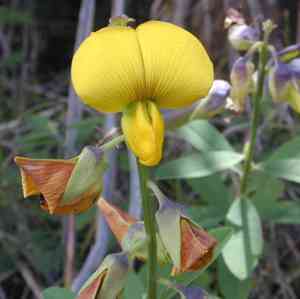
Originating from Sicily's volcanic inclines, mt. etna broom is celebrated for its vibrant yellow blossoms and its characteristic broom-like habit. The most effective time for trimming mt. etna broom is in winter, after it has bloomed, to sculpt and preserve a dense structure. Consistent trimming stimulates strong new growth and boosts the floral display in the subsequent period. Eliminating aged or lifeless branches can additionally deter ailments. This periodic trimming schedule guarantees vigorous well-being and plentiful flowers, rendering it crucial for the plant's upkeep.
Advantages of Trimming Mt. Etna Broom
Advantages of Trimming Mt. Etna Broom
Trimming mt. etna broom encourages robust development and preserves its desired form. Consistent cutting fosters new, healthy branches and enhances its visual appeal, especially given its rapid growth.
Optimal Time for Trimming Mt. Etna Broom
Optimal Time for Trimming Mt. Etna Broom
Trimming mt. etna broom during winter is highly advisable due to its dormant state in this season. Winter pruning minimizes stress on mt. etna broom, allowing for better recovery and preparation for strong spring growth. Winter trimming also helps maintain the plant's shape and size, manages its overall health, and boosts flower production for the subsequent season.
Required Tools for Trimming Mt. Etna Broom
Hand Pruners
Perfect for making clean cuts on smaller stems of mt. etna broom, ensuring minimal harm to the plant.
Lopping Shears
Suitable for cutting through thicker branches of mt. etna broom that hand pruners cannot manage, providing precise control over larger cuts.
Pruning Saw
Essential for removing mature or dead branches with diameters exceeding the capacity of hand pruners and lopping shears, aiding in mt. etna broom's health and shape maintenance.
How to Trim Mt. Etna Broom
Clean tools
Before beginning the trimming of mt. etna broom, ensure all pruning tools are clean and sharp. This preserves the plant's health and makes cuts more precise and less stressful for mt. etna broom. Sanitize shears or scissors with rubbing alcohol or a 10% bleach solution to eliminate potential pathogens.
Remove withered leaves
Carefully remove all dried leaves from mt. etna broom. These are typically dry, discolored, and may be loosely attached to the branches. Use your hands or small pruning shears to gently pull or clip these leaves off, minimizing damage to the green, healthy parts of the branches.
Cut dead branches
Identify and cut back all dead branches on mt. etna broom. These branches appear dry, brittle, and lack any green foliage. Use bypass pruners or a pruning saw, depending on branch thickness. Make cuts at a 45-degree angle about 1/4 inch above a living bud or branch collar to encourage healthy regrowth and prevent water accumulation which can cause rot.
Prune diseased branches
Examine mt. etna broom for any diseased branches, indicated by unusual coloring, growths, or decay. Remove these branches entirely to prevent disease spread. Make clean cuts where the diseased branch meets healthy tissue, but avoid cutting into the healthy portions of the branch.
Dispose of waste
Properly dispose of all removed withered leaves, dead, and diseased branches. Do not compost them as this may spread disease. Dispose of the waste according to local regulations or burn it, if permitted, to eliminate any pathogens.
Common Trimming Errors with Mt. Etna Broom
Over-trimming
A frequent error is removing too much growth at once, which can stress mt. etna broom and diminish its overall health and flowering potential. Avoid cutting back more than one-third of mt. etna broom's growth in a single session.
Incorrect cut placements
Cutting randomly or too far from buds leads to poor growth patterns and potential harm. Make cuts just above new buds and ensure they face outward to encourage a desirable shape.
Using dull tools
Dull trimming tools can create jagged cuts that are more vulnerable to disease and pest infestations. Always use sharp, clean shears to make clean cuts that heal quickly.
Neglect of sanitization
Not sanitizing trimming tools between uses can spread disease from infected plants to healthy ones. Clean and disinfect all tools before and after each use to maintain the health of mt. etna broom.
General Trimming Advice for Mt. Etna Broom
Selective trimming
Focus on removing old, dead, or weak stems to improve air circulation and light penetration, significantly benefiting mt. etna broom's overall growth and bloom production.
Promote flowering
Trim after flowering to encourage new blooms. As mt. etna broom tends to bloom on the current or previous year's growth, timely trimming stimulates vigorous growth and more blooms in the following season.
Maintenance shape
Consider the natural shape of mt. etna broom and trim accordingly to maintain an aesthetically pleasing appearance while promoting health. Gradual shaping rather than drastic cuts ensures a healthier plant.
Focus on health
Regularly remove any diseased or damaged branches as soon as they are noticed to prevent the spread of disease and to maintain the vitality of mt. etna broom. This proactive measure supports robust growth.



