How to Propagate Mt. etna broom?
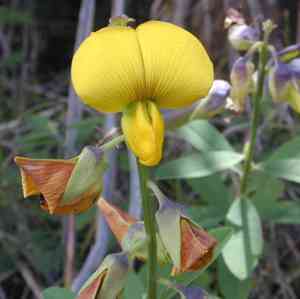
Mt. etna broom flourishes when reproduced via the cutting technique. Choose robust semi-hardwood stalks with precision and snip multiple cuttings to approximately 4-6 inches in length, making sure each possesses multiple leaf nodes. For peak development, immerse the severed end into rooting compound prior to embedding in a damp, adequately draining substrate. Position the cutting in a warm, illuminated spot, steering clear of direct sun exposure until roots have adequately formed for transplantation.
Optimal Time for Mt. Etna Broom Propagation
Propagation Method
Cutting
Propagation Period
Spring,Summer
Tools for Mt. Etna Broom Propagation
Sharp pruning shears
These are essential for obtaining clean, precise mt. etna broom cuttings. Sharp blades ensure a smooth cut, minimizing harm to the parent plant, which aids in faster recovery and lowers disease risk. A clean cut also promotes better rooting.
Rooting hormone
This compound stimulates root growth in mt. etna broom cuttings. Dipping the cutting's base in rooting hormone significantly boosts the likelihood of successful rooting, crucial for new plant development and establishment.
Sterile potting mix
A light, well-draining potting mix, free of pathogens and weed seeds, is vital for rooting mt. etna broom cuttings. This environment supports new root formation without interference from microorganisms or pests.
Propagation trays
These trays hold cuttings during the rooting process. Specialized propagation trays allow for better control of moisture and temperature, both critical for successful root development in mt. etna broom.
Plastic covers or propagation domes
Plastic covers or domes help maintain high humidity around mt. etna broom cuttings, preventing them from drying out before roots form. High humidity enhances leaf moisture retention, encouraging successful rooting.
Heating mats
For species like mt. etna broom, maintaining a consistent, suitable temperature at the root zone can enhance root development. Heating mats provide gentle warmth, significantly improving rooting success.
Propagating Mt. Etna Broom
Propagation Type
Moderately Difficult
Caring for Newly Propagated Mt. Etna Broom
Caring for Newly Propagated Mt. Etna Broom
Once rooted, gradually introduce new mt. etna broom plants to less humid conditions by removing the plastic cover over several days. Transplant them to a sunny spot with well-drained soil, watering regularly until established. Mt. etna broom thrives in full sun and tolerates dry conditions once mature, but consistent moisture benefits it during the growing season. Minimal pruning is needed; lightly trim after flowering to maintain shape and encourage healthy growth.
Common Propagation Mistakes for Mt. Etna Broom
Overwatering
Excessive watering can cause root rot, especially harmful for mt. etna broom which prefers well-drained soil. This error severely impacts root health, making the plant vulnerable to diseases and reducing propagation success.
Planting depth errors
Placing mt. etna broom cuttings or seeds too deep in the soil can impede sprouting and establishment. This can lead to lower germination rates or weak seedlings lacking the vigor for effective growth.
Neglecting hygiene
Using unsterilized tools or containers can introduce pathogens to mt. etna broom, a species that may lack strong disease resistance. Poor hygiene can contaminate propagation materials, significantly lowering success rates.
Tips for Propagating Mt. Etna Broom
Using well-draining soil
Ensure the soil used for mt. etna broom propagation drains well to prevent waterlogging. This helps maintain optimal moisture levels around the roots, crucial for healthy root development and growth.
Appropriate cutting length
When propagating mt. etna broom from cuttings, use segments approximately 6-8 inches long. This length is ideal as it contains enough nodes to facilitate root and shoot development, essential for successful establishment.
Sterilization of tools
Always use sterilized propagation tools and containers to prevent disease spread to mt. etna broom. This helps achieve a higher rate of successful plant health and propagation, safeguarding future growth.



