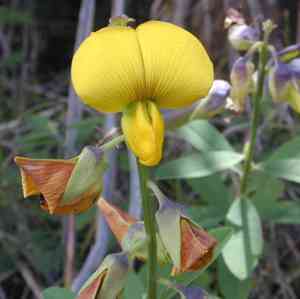
Mt. etna broom (Genista aetnensis)
Also known as: Mount Etna Broom, Mount Etna Cytisus
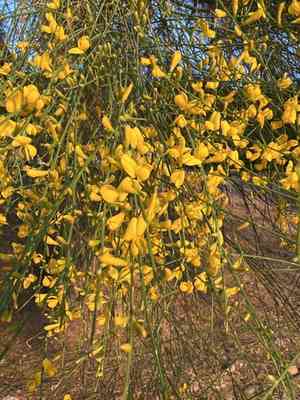
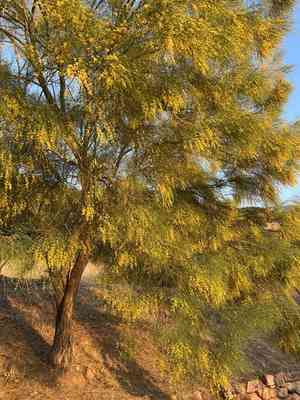
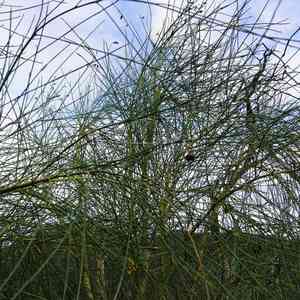
Young broom plants exhibit slender, linear leaves that are quickly shed, leaving mostly bare stems. As they mature, these shrubs can develop into shapely small trees with greenish bark, reaching up to 8 meters if space permits. The terminal branches often droop, giving a weeping appearance. In late summer, mature broom plants are covered with abundant, pea-like yellow flowers that emit a jasmine-like fragrance, adorning the entire crown.
In This Article
Attributes of Mt. etna broom
Lifespan
Perennial
Plant Type
Shrub
Plant Height
8 m
Spread
8 m
Leaf Color
Green
Flower Size
1 - 2 cm
Flower Color
Yellow
Images of Mt. etna broom
Quickly Identify Mt. etna broom
1
Genista aetnensis can be identified by its broom-like, long and slender branches that remain green year-round, bright yellow pea-like flowers that bloom in late summer, and small compound leaves which usually drop off early. The plant often grows in a tree-like form, reaching significant heights.
Scientific Classification of Mt. etna broom
Phylum
Vascular plants
Class
Dicotyledons
Order
Fabales
Family
Legume
Genus
Brooms
Species
Mt. etna broom
Planting and Growing of Mt. etna broom
Care Difficulty
Easy
Watering Schedule
Every 2 days
Sunlight Requirements
Full sun
Sunshine Duration
6-8 hours
Ideal Temperature
60-75℉
Soil Type
Potting Mix, Peat Mix
Soil pH
6.5-7.5
Fertilizer Type
Balanced
Pruning Season
Spring, Summer
Pruning Area
Branches, Leaves
Pruning Frequency
2 times a year
Repotting Season
Spring
Pot Type
Plastic, Ceramic
 How to Water Mt. etna broom?
Genista aetnensis generally thrives in dry conditions, so watering should mimic this natural environment. Each time you water, aim for about 750 ml, ensuring the soil is moist but not waterlogged. Let the top inch of soil dry out between waterings to prevent over-saturation.
What are the symptoms of an underwatered Mt. etna broom?
›
What should I do if my Mt. etna broom is not getting enough water?
›
What are the symptoms of an overwatered Mt. etna broom?
›
How to save an overwatered Mt. etna broom?
›
 What Are the Sunlight Requirements for Mt. etna broom?
The plant thrives in full sun, benefiting from daily exposure to 6 to 8 hours of direct sunlight. In optimal light, Genista aetnensis displays enhanced growth, prolific flowering, and improved resilience against environmental stresses.
Optimal Lighting Duration
›
Solutions for Ideal Conditions
›
Benefits of Ideal Light
›
 What Is the Ideal Temperature Range for Mt. etna broom?
The ideal temperature range for Genista aetnensis, also known as Mount Etna broom, is between 60°F and 75°F. This range provides optimal conditions for growth, allowing the plant to flourish without experiencing stress. Maintaining this temperature range helps ensure balanced metabolic processes, proper nutrient uptake, and efficient photosynthesis.
 What Soil is Best for Mt. etna broom?
Genista aetnensis thrives in well-drained soil, which prevents waterlogging and root rot. This type of soil ensures that excess water drains away, keeping the roots healthy. Well-drained conditions also promote the aeration needed for root respiration and nutrient uptake, contributing to vigorous plant growth. This plant prefers nutrient-poor soils, which mimics its natural habitat and reduces the risk of excessive foliage growth at the expense of flowering. Limited nutrients encourage the plant to produce vibrant yellow flowers rather than excessive leafy greenery. This can help maintain the health and ornamental value of the plant. A soil with lower organic matter content is ideal for Genista aetnensis because it mirrors the spartanic conditions it is adapted to. It reduces the potential for fungal diseases that more organic-rich, moist soils might promote. This keeps the plant clean and free of common soil-related diseases.
 How to Fertilize Mt. etna broom?
For Genista aetnensis, it's essential to use a balanced approach to avoid overfeeding or underfeeding. Approximately one-quarter of the recommended dose of a balanced liquid fertilizer should be mixed with water. When applying slow-release fertilizers, 20 grams per plant can be incorporated into the soil.
 How to Prune Mt. etna broom?
Begin your pruning by identifying and removing any dead, damaged, or diseased branches. These branches can harbor pests and diseases that may spread to healthier parts of the plant. Focus on pruning for shape and structure by removing branches that grow towards the inside of the plant. This encourages open growth, allowing more sunlight and air circulation, which is crucial for healthy flowering. Trim the longest stems to promote bushiness and encourage new growth from lower down on the plant. This will enhance the plant's natural shape and promote a fuller appearance. After completing the pruning process, ensure that all tools are thoroughly cleaned to prevent the spread of any potential diseases to other plants in your garden.
More About Pruning Techniques→
 How to Propagate Mt. etna broom plant?
1
Harvest seeds from mature pods and clean them to remove any debris. This step is crucial to ensure that the seeds are free from pathogens and ready for sowing.
2
Select a healthy, non-flowering shoot about 10 cm long. Cut just below a node and remove the lower leaves, leaving a few pairs of leaves at the top.
3
For seeds, plant them in a well-draining seed compost and cover lightly with soil. For cuttings, place them into a pot with a mix of perlite and peat, ensuring at least one node is below the surface.
 How to Repot Mt. etna broom plant?
1
Genista aetnensis typically signals a need for repotting when roots start circling the pot or protruding from the drainage holes. Additionally, if the growth rate of the plant slows down significantly despite regular care, it's another indicator that repotting might be needed. Performing this process during its active growing season, mainly spring or early summer, ensures that the plant can quickly recover from the stress.
2
Select a pot that is one size larger than the current pot, ensuring it has adequate drainage holes. A slightly larger pot gives the roots enough room to expand without water-logging issues. The material can be terracotta or ceramic, helping regulate soil moisture while providing a stable base for the plant's growth structure.
3
Opt for a well-draining sandy loam mix which replicates Genista aetnensis's natural habitat. This soil type prevents overwatering issues that can lead to root rot and supports the plant's requirement for aeration and moderate moisture retention. Amending the soil with a bit of grit or perlite can enhance drainage properties.
Learn More About Mt. etna broom Diseases
Anthracnose
Bacterial Leaf Spot
Bacterial Wilt
Crown Gall
Cyst Nematode
Damping-off
Downy Mildew
Drought Stress
Fusarium Wilt
Gray Mold
Leaf Curl
Leaf Spot
Mosaic
Nutrient Deficiency
Nutrient Toxicity
Powdery Mildew
Root Rot
Root-knot Nematode
Rusts
Sooty Mold
Spider Mites
Temperature Stress
Thrips Damage
White Mold



