How to Prune Confederate huckleberry?
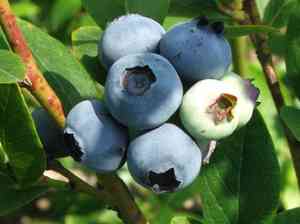
This fruit-bearing, leaf-shedding bush needs periodic trimming to preserve its form and foster robust development. For confederate huckleberry, conduct pruning in early spring or late winter prior to the emergence of new shoots. Eliminating older branches and excising any lifeless or compromised wood can enhance air circulation and light exposure. Trim sparingly to prevent diminishing the berry harvest, striving to eliminate no more than one-third of the overall growth to ensure the shrub remains strong and fruitful.
Advantages of Trimming Confederate Huckleberry
Advantages of Trimming Confederate Huckleberry
Trimming confederate huckleberry encourages robust development and maintains an attractive form, crucial for the plant's well-being and vigor. For confederate huckleberry specifically, precise cutting can stimulate new shoots, leading to denser foliage and a more compact structure.
Optimal Period for Trimming Confederate Huckleberry
Optimal Period for Trimming Confederate Huckleberry
Trimming confederate huckleberry in late winter or early spring is beneficial as it coincides with the plant's dormant phase. This timing precedes the emergence of new spring growth, allowing gardeners to shape the plant without hindering developing buds and lessening the chance of frost damage to fresh cuts and new growth. Furthermore, this period allows the plant to recover from pruning cuts before warmer weather, which can heighten pest and disease pressure. Additionally, late winter to early spring trimming does not interfere with confederate huckleberry's flowering or fruiting cycles, thus ensuring its berry production capability is not compromised.
Tools Required for Trimming Confederate Huckleberry
Bypass Pruners
Perfect for making clean cuts on living wood, bypass pruners inflict less harm on confederate huckleberry stems, promoting healthier regrowth.
Pruning Saws
For thicker branches that bypass pruners cannot manage, a pruning saw can make neat cuts without tearing confederate huckleberry bark, aiding better healing.
Loppers
For branches slightly out of reach or needing extra leverage, loppers are useful. They provide the necessary force without straining the gardener, ensuring clean cuts on confederate huckleberry.
Gloves
To shield hands from thorns and rough bark while trimming confederate huckleberry, a sturdy pair of gloves is essential.
Pruning Shears
Confederate huckleberry may have some smaller, delicate growth requiring shaping. Pruning shears offer more control for refining the plant's form.
How to Trim Confederate Huckleberry
Identification
Examine confederate huckleberry for diseased leaves, withered leaves, dead branches, and diseased branches needing removal.
Sanitization
Before trimming confederate huckleberry, clean and sterilize pruning tools to prevent disease transmission.
Removing Diseased And Dead Material
Carefully remove diseased and withered leaves along with dead and diseased branches from confederate huckleberry by making clean cuts near the base without harming healthy stems.
Shaping
Thin out the interior of confederate huckleberry to enhance air circulation and light penetration, ensuring no more than one-third of the plant material is removed at once.
Cleanup
After trimming confederate huckleberry, clear away all removed plant material from the area to prevent potential disease and pest infestation.
Common Trimming Errors with Confederate Huckleberry
Over-trimming
Removing excessive foliage, which can stress confederate huckleberry and lead to reduced flowering and fruiting.
Incorrect Cut Placement
Making cuts either too close to or too far from the bud, harming the plant's natural healing process.
Using Dull Tools
Employing dull or uncleaned pruning tools, which can create jagged cuts and heighten disease risk.
Ignoring Deadwood
Failing to remove dead or diseased branches, which can hinder confederate huckleberry's growth and health.
Trimming Healthy Growth
Unnecessarily cutting away healthy growth that could contribute to the plant's vitality.
General Trimming Advice for Confederate Huckleberry
Sharp Clean Tools
Always use sharp and clean tools to make precise cuts and minimize infection risk.
Trimming To Shape
Trim to maintain confederate huckleberry's natural shape, which encourages a more aesthetically pleasing and productive plant.
Promote Air Flow
Thin out dense growth to increase air circulation, reducing susceptibility to fungal diseases.
Correct Cut Angle
Make cuts at a 45-degree angle just above outward-facing buds to promote healthy new growth.
Post-Bloom Trimming
Trim confederate huckleberry after flowering to ensure proper healing time and avoid impacting next year's blooms.



